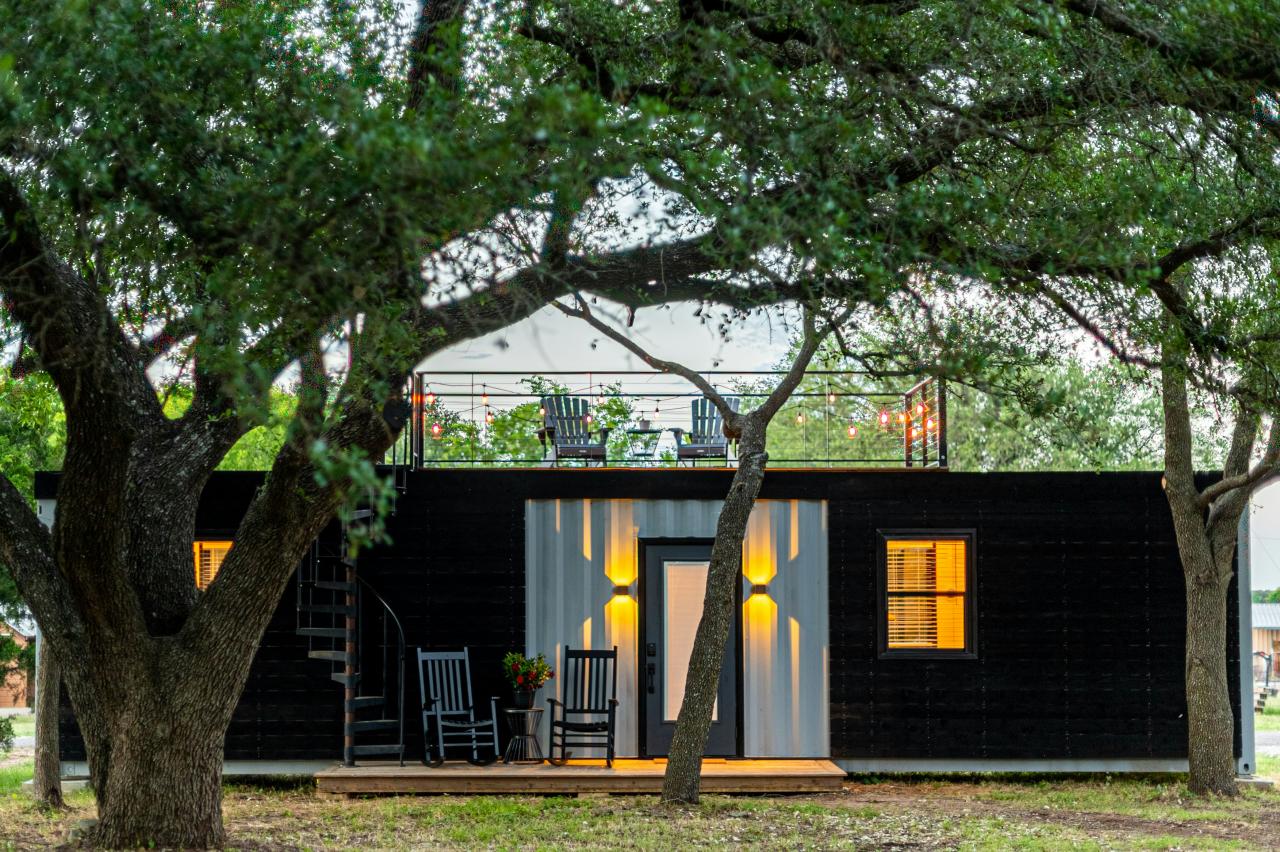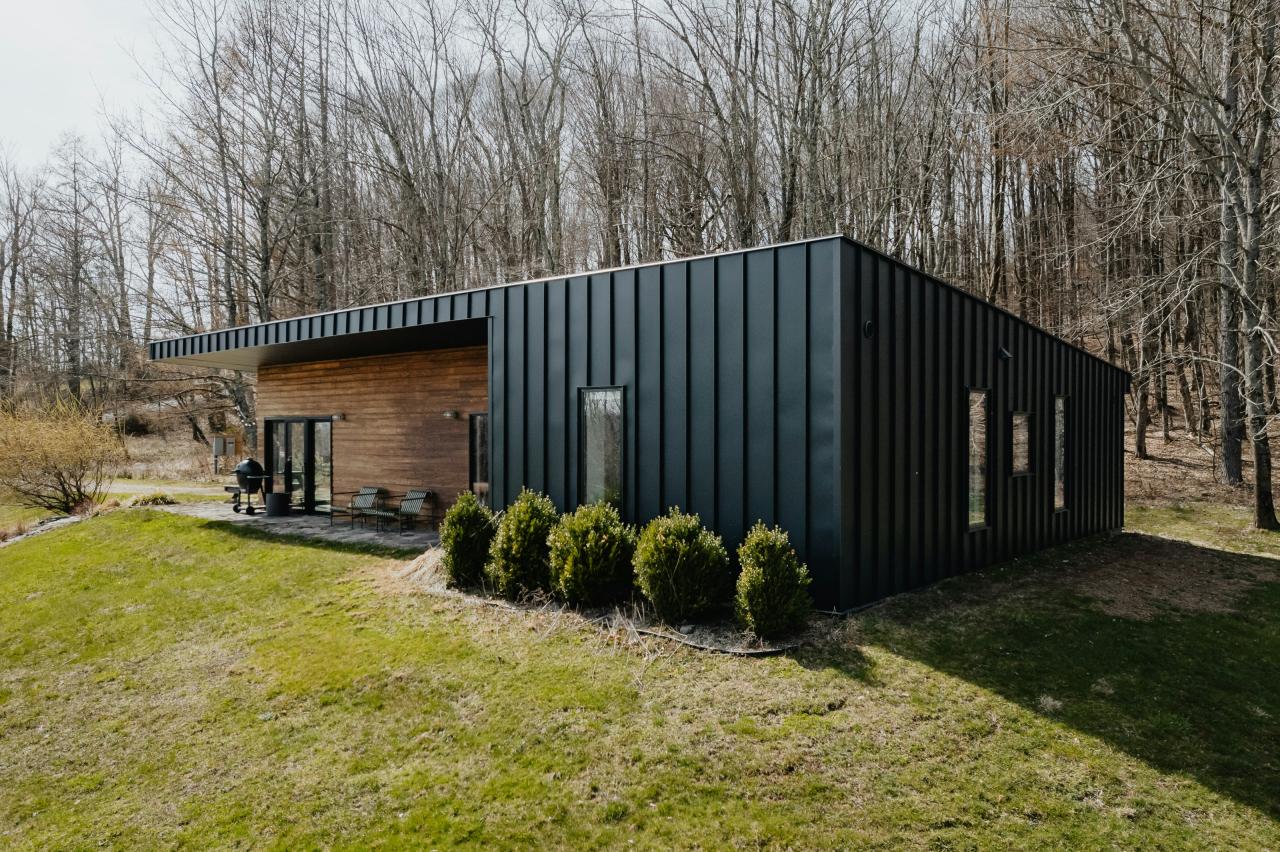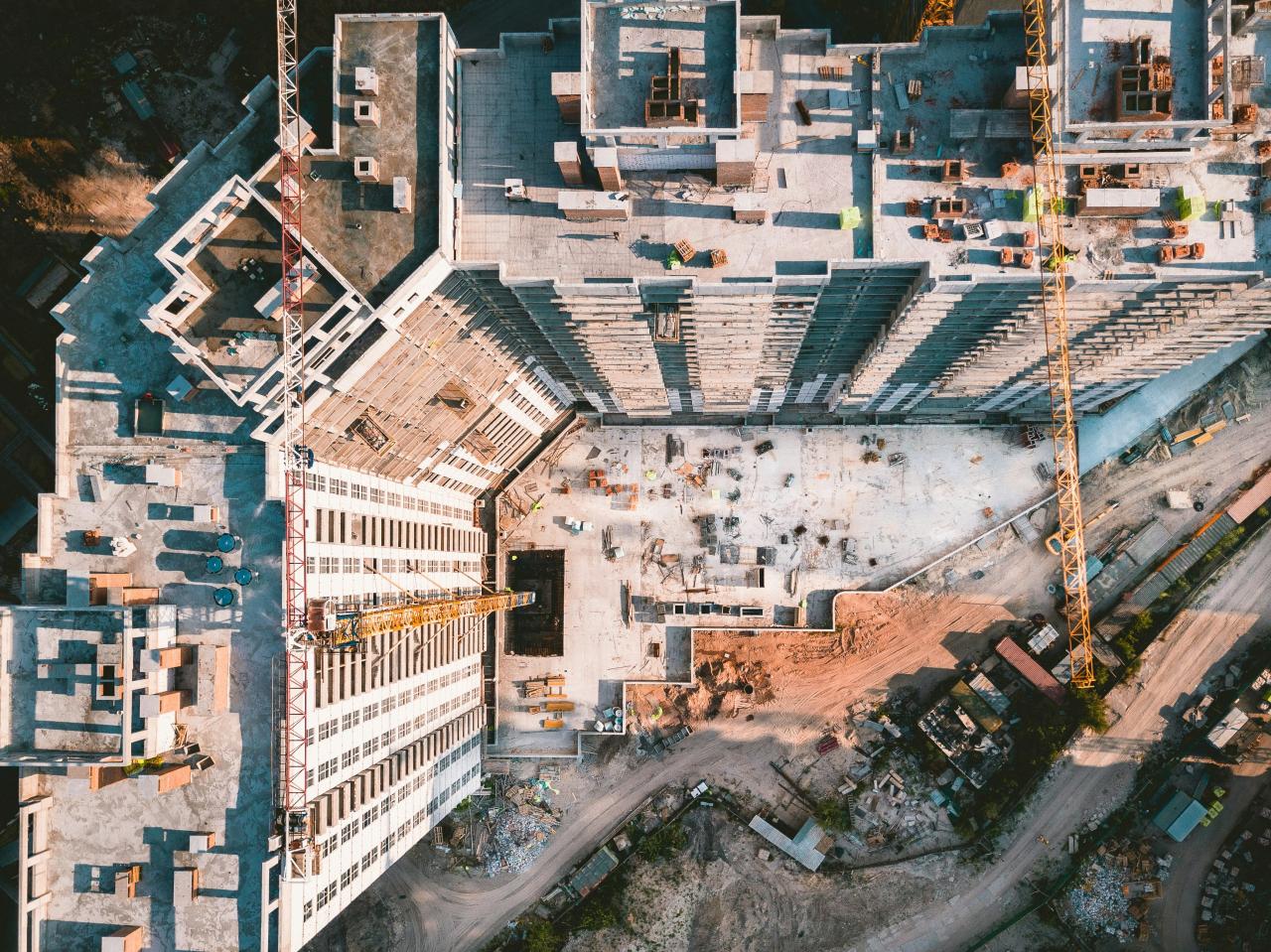
The global housing industry is currently witnessing a massive transformation as developers move away from traditional timber and concrete toward sustainable steel frame modular units.
For many decades, residential construction relied heavily on wood framing, which often suffered from moisture damage, termite infestations, and significant material waste during the on-site building process.
This traditional model of construction frequently led to long delays and unpredictable costs that frustrated homeowners and investors alike. However, the emergence of cold-formed steel technology and factory-controlled assembly lines offers a revolutionary way to build high-performance homes that last for generations.
This transition represents a monumental shift from slow, manual labor to high-precision engineering that ensures every wall and joint meets exact specifications. We are entering an era where recyclability and structural integrity serve as the primary foundations for a modern, environmentally conscious lifestyle.
This innovation addresses the critical challenge of housing durability by providing a material that does not warp, rot, or burn over time. By mastering the use of steel frame modular units, you can enjoy a safer, more efficient home that significantly reduces your carbon footprint while maximizing architectural freedom.
This article explores the most effective and proven advantages of steel-based modular design while optimizing your understanding of how this technology solves the modern sustainability crisis.
Unmatched Structural Integrity and Lifespan
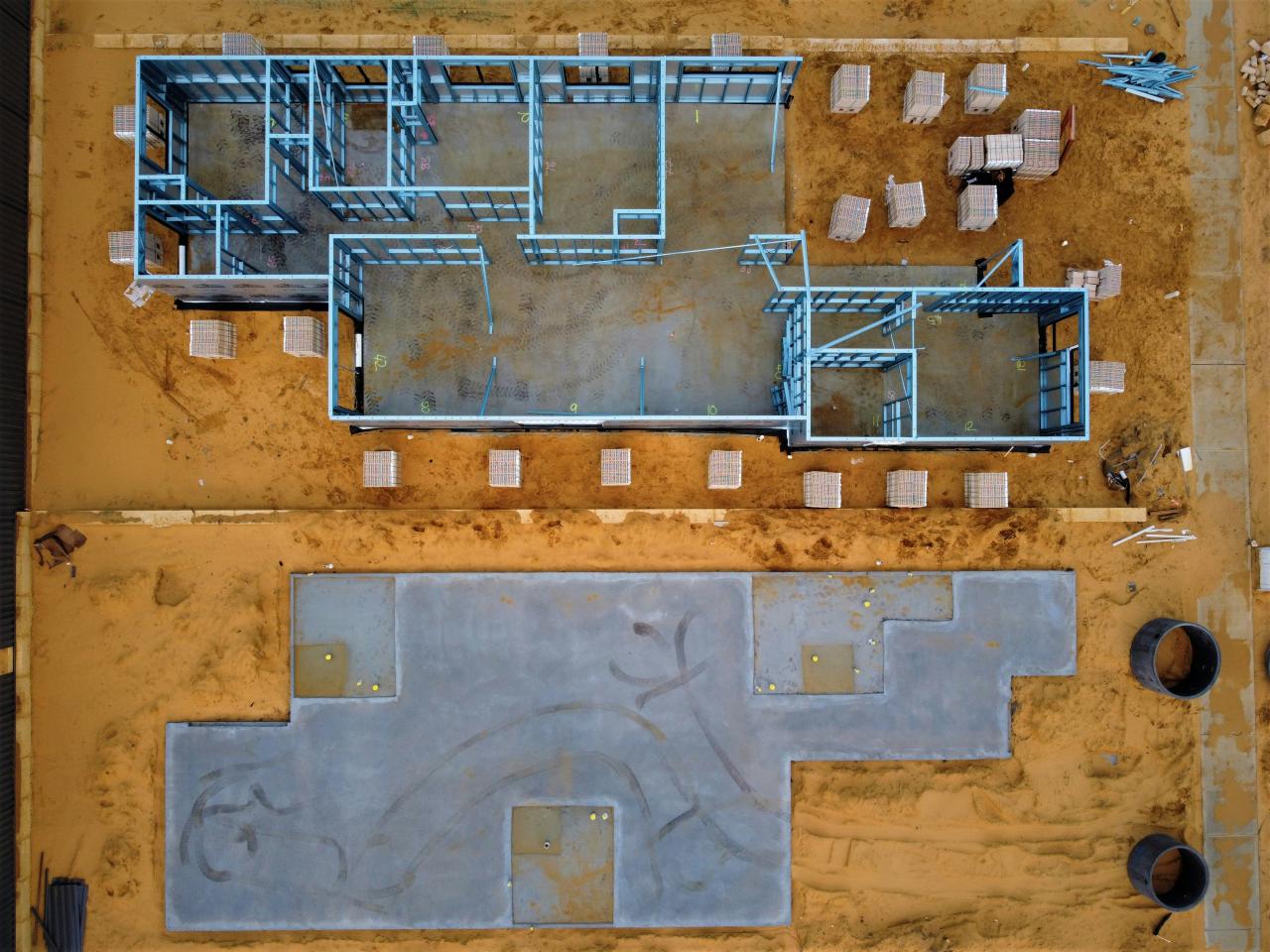
Steel provides a strength-to-weight ratio that far surpasses any other common building material used in residential construction today. Unlike wood, steel does not shrink or expand with changes in humidity, which prevents the annoying cracks in drywall and sticking doors that plague many new homes.
I believe that “structural permanence” is the best way to solve the problem of long-term home maintenance costs and structural degradation.
You solve the problem of a “settling” house by using a rigid steel skeleton that remains perfectly square and true for the entire life of the building. This perspective turns your home into a rock-solid asset that maintains its value because the core structure never loses its original strength.
A. High Strength-to-Weight Ratio
Steel is incredibly strong but relatively light, allowing architects to design large open spans without the need for bulky support columns. This gives you more usable floor space and the freedom to create beautiful, airy interiors that feel much larger than their actual footprint.
B. Resistance to Biological Threats
Termites, mold, and rot simply cannot eat or grow on steel, which eliminates the need for toxic chemical treatments around your foundation. This creates a healthier living environment for your family and ensures the house remains standing even in damp or tropical climates.
C. Fire Resistance and Safety
Steel is non-combustible, meaning it will not provide fuel for a fire if an accident occurs in your kitchen or electrical system. This inherent safety feature provides incredible peace of mind and often results in lower insurance premiums compared to wood-framed houses.
The Sustainability Factor of Recyclable Steel
Steel is the most recycled material on the planet, and a steel frame can contain a high percentage of recycled content from old cars or appliances. When you choose a steel modular home, you are participating in a circular economy where materials are reused rather than sent to a landfill.
My new perspective is that “cradle-to-cradle engineering” is the secret to solving the problem of construction waste and resource depletion.
You solve the problem of environmental impact by choosing a framing system that is 100% recyclable at the end of its very long life. This perspective allows you to build a luxury home today without stealing resources from future generations.
A. Reduced On-Site Waste
Factories use computer-controlled machines to cut steel members to the exact millimeter, which almost entirely eliminates the scraps and off-cuts found on traditional sites. Any tiny bits of leftover steel go straight back into the recycling bin to be melted down for new products.
B. Lower Carbon Footprint
While producing new steel requires energy, the long lifespan and high recyclability mean that the “embodied energy” per year of service is very low. Modern steel mills also use cleaner electric arc furnaces that significantly reduce the greenhouse gas emissions associated with manufacturing.
C. Sustainable Manufacturing Processes
Steel frame modular units are built in controlled factory settings where energy usage is optimized and emissions are strictly monitored. This industrialized approach is far more efficient than having dozens of workers driving to a remote construction site every day in separate trucks.
Precision Engineering in a Factory Setting
The accuracy of steel modular units is truly remarkable because they are built using the same high-tech processes used in the aerospace and automotive industries. This precision ensures that every module fits together perfectly on-site, creating an airtight building envelope that prevents energy loss.
I suggest that “industrialized craftsmanship” is the ultimate tool for solving the problem of human error and poor workmanship in the building industry.
You solve the problem of drafty rooms and uneven floors by using robotic assembly systems that never get tired or distracted. This perspective gives you a high-performance home where every corner is a perfect ninety-degree angle and every window fits with surgical precision.
A. Advanced BIM Integration
Engineers use Building Information Modeling (BIM) to design the entire steel frame in 3D before a single piece of metal is even cut. This allows them to identify and fix potential plumbing or electrical conflicts in the virtual world rather than on the expensive construction site.
B. Computer-Aided Manufacturing (CAM)
The 3D design files are sent directly to the steel-rolling machines, which punch holes for wires and pipes automatically during the fabrication process. This means your home arrives with all the “innards” ready to be installed, saving hours of manual labor for electricians and plumbers.
C. Rapid Assembly Timelines
Because the steel members are pre-punched and labeled, factory workers can assemble a full wall panel in minutes rather than hours. This speed allows for high-volume production, helping to solve the housing shortage by getting more families into high-quality homes faster.
Seismic and Wind Resistance Performance
Steel is a ductile material, which means it can bend and absorb energy without breaking during an earthquake or a severe hurricane. Modular units made of steel are essentially reinforced boxes that move as a single unit, providing a level of safety that is difficult to achieve with other materials.
My perspective is that “dynamic resilience” is the secret to solving the problem of home safety in disaster-prone areas.
You solve the problem of structural collapse by living in a building designed to flex and remain standing even under extreme environmental pressure. This perspective makes steel modular housing the smartest choice for anyone living in a seismic zone or a coastal area threatened by high winds.
A. Unified Diaphragm Action
When modular units are bolted together, they create a highly redundant structural system where every room supports the ones next to it. This “honeycomb” effect provides incredible stiffness against lateral forces like wind and seismic tremors.
B. Lighter Overall Structure
Because steel is so strong, you can use less of it to support the same weight as wood or concrete, which reduces the total weight of the building. A lighter house puts less stress on the foundation during an earthquake, reducing the chance of catastrophic soil failure.
C. Engineered Connection Points
Engineers use high-strength bolts and specialized welding techniques to ensure that the modules stay connected even under extreme stress. These connection points are much stronger than the nails or screws used in traditional framing, providing an extra layer of structural security.
Superior Thermal Efficiency and Comfort
Steel modular homes use advanced “thermal break” technology and high-performance insulation to ensure that the metal frame does not conduct heat or cold into the living space. When combined with an airtight factory seal, these homes stay comfortable with very little energy input from your heating or cooling system.
I believe that “active energy management” is the best way to solve the problem of rising utility bills and indoor temperature fluctuations.
You solve the problem of energy waste by living in a home that acts like a high-tech thermos, keeping your desired temperature locked inside. This perspective ensures that your home is not just a shelter, but a comfortable sanctuary that saves you money every month.
A. Integrated Continuous Insulation
By wrapping the entire steel frame in a layer of rigid foam insulation, builders prevent “thermal bridging” where heat travels through the metal studs. This ensures that your walls stay warm in the winter and cool in the summer, regardless of the outdoor weather.
B. High-Performance Glazing Systems
Steel modular units can support large, triple-pane windows that provide incredible views without compromising the home’s energy efficiency. These windows are sealed into the steel frame at the factory, ensuring there are no air leaks that could lead to drafts.
C. Low VOC Indoor Environments
Since steel does not require chemical treatments for pests or rot, the indoor air quality is significantly better for people with allergies or asthma. You won’t have to worry about the “off-gassing” of toxic wood preservatives, allowing your family to breathe clean, fresh air.
Design Versatility for Modern Architecture
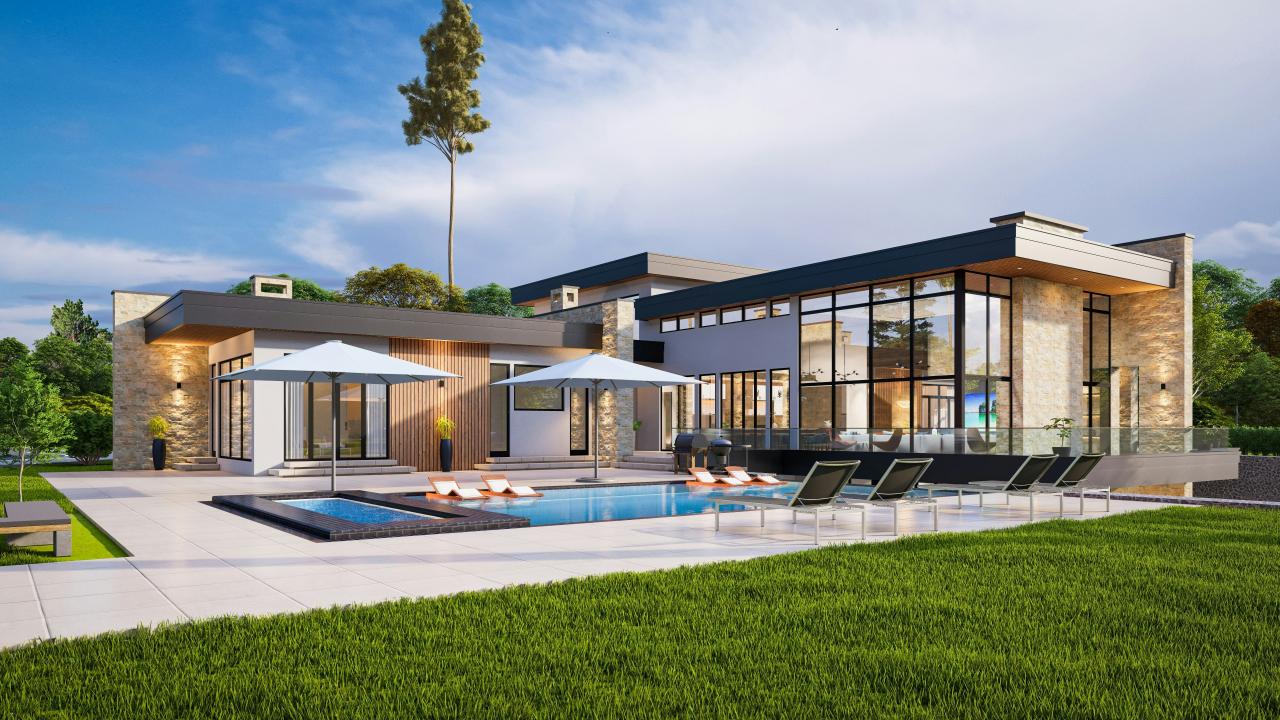
Steel allows for thin, elegant profiles and massive glass walls that are impossible to achieve with traditional wood framing. This opens up a world of creative possibilities for modern homeowners who want a unique, contemporary look that stands out in their neighborhood.
I suggest that “unrestricted creativity” is the ultimate tool for solving the problem of boring, cookie-cutter housing developments.
You solve the problem of aesthetic limitations by using a material that can span forty feet without a single interior wall. This perspective allows you to have a completely open-concept living area that flows seamlessly from the kitchen to the outdoor deck.
A. Cantilevered Living Spaces
The strength of steel allows architects to design rooms that “float” out over a hillside or a garden without any visible supports underneath. This creates a dramatic, high-end look that is a hallmark of luxury modern architecture.
B. Interchangeable Module Layouts
Because the steel frame carries all the weight, the interior walls are non-load-bearing and can be moved or removed entirely. This allows you to reconfigure your home as your needs change, such as turning a bedroom into a large home office.
C. Modern Industrial Finishes
Many homeowners choose to leave parts of the steel frame exposed as a design feature, creating a cool, industrial aesthetic. This “honest architecture” highlights the strength and precision of the building’s construction while looking incredibly stylish.
Cost-Effectiveness and Financial Security
While the price of raw steel can fluctuate, the overall cost of a steel modular home is highly predictable because of the efficient factory process. You save money on labor, site cleanup, and long-term maintenance, making steel a better financial choice over the life of the mortgage.
My new perspective is that “total cost of ownership” is the secret to solving the problem of the “hidden costs” of homeownership.
You solve the problem of financial stress by investing in a building that will not require expensive roof repairs or pest control treatments every few years. This perspective allows you to plan your financial future with confidence, knowing that your home is a low-maintenance asset.
A. Lower Insurance Premiums
Because steel is fireproof and resistant to storms, many insurance companies offer significant discounts to owners of steel-framed homes. This monthly saving adds up to thousands of dollars over the decades you spend in the house.
B. Reduced Foundation Costs
Since a steel frame modular home is lighter than a traditional concrete or brick building, you may be able to use a smaller and less expensive foundation. This is especially beneficial if you are building on land with poor soil quality or a steep slope.
C. Faster Return on Investment
If you are building an investment property or an ADU, the speed of steel modular construction allows you to start renting the unit months earlier. This faster “time to market” ensures that your capital starts working for you as soon as possible.
The Future of Smart and Scalable Housing
Steel modular units are the perfect platform for integrating smart home technology and automated building management systems. The hollow channels in the steel studs make it incredibly easy to run data cables and sensors throughout the entire structure during the factory assembly.
I believe that “digital-native construction” is the best way to solve the problem of our homes becoming obsolete as technology evolves.
You solve the problem of technical limitations by living in a home that was designed from day one to be part of an intelligent, connected city. This perspective ensures that your home remains a high-tech haven for years to come.
A. Built-In Fiber-Optic Networks
Every room in a steel modular home can have high-speed data ports pre-installed, supporting everything from 4K streaming to professional-grade home offices. This “future-proof” wiring is much harder and more expensive to install in a finished traditional house.
B. Automated Energy Monitoring
Smart sensors can track your energy usage and automatically adjust the lighting and temperature to save you money. This data is displayed on a central hub, giving you total control over your home’s environmental footprint.
C. Scalable Community Design
Steel modules can be easily stacked to create high-density apartment buildings or expanded horizontally to grow a single-family home. This scalability is essential for our growing cities, allowing for flexible housing solutions that can adapt to changing populations.
Conclusion
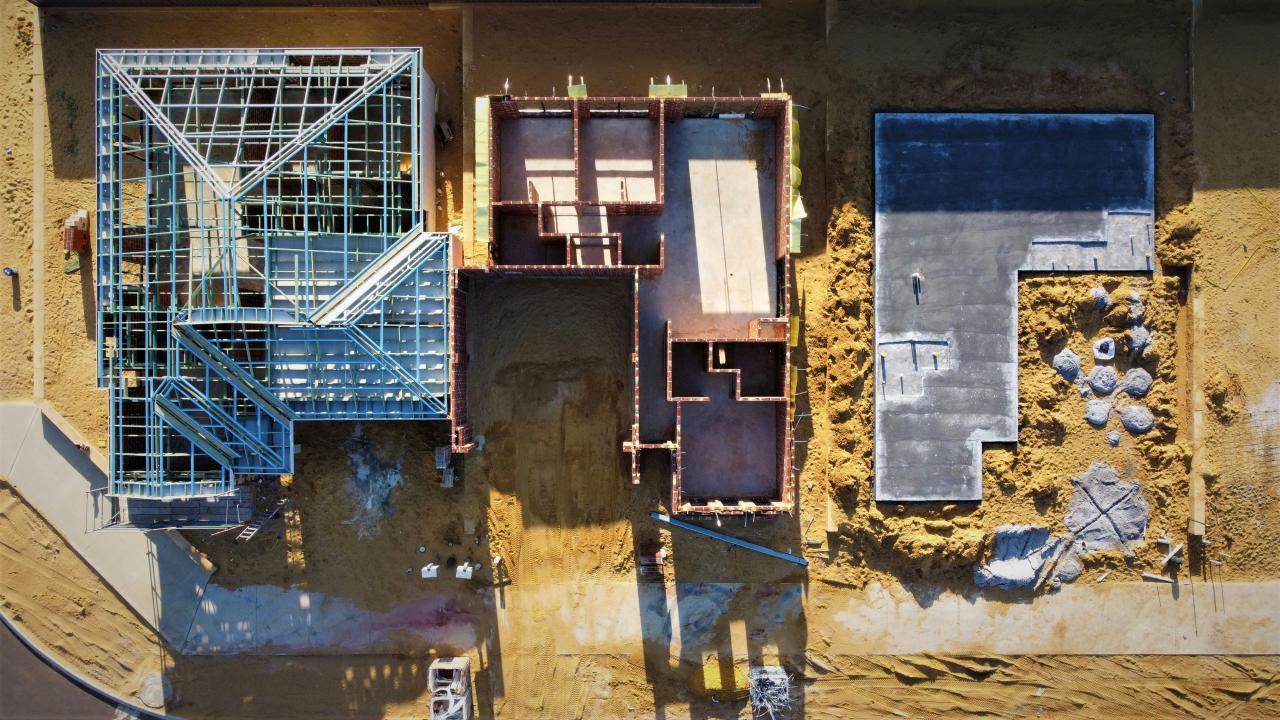
Steel homes represent a significant breakthrough in construction safety, effectively replacing outdated wooden standards with innovative metal tools that prioritize your family’s security.
By integrating data tracking and smart digital flows, you can eliminate the high risks associated with traditional housing while significantly reducing long-term maintenance and construction costs.
Taking immediate action to adopt these modern steel plans allows you to reclaim your time, grow your personal wealth, and secure a safer future through efficient software-driven solutions.
The path to a successful and high-performance lifestyle is clear when you use automation as your primary tool to fuel your growth and ultimate freedom.