The concept of a living space has transformed from a simple physical shelter into a highly sophisticated digital ecosystem that responds to your every need. We are currently witnessing a massive shift in how homeowners interact with their environment, moving away from manual controls toward fully autonomous living systems.
You might notice that modern residences now possess a “brain” that manages everything from energy consumption to high-level security protocols with incredible precision.
This evolution creates a roadmap for a future where your home anticipates your desires before you even voice them, saving you significant time and mental energy. Most people struggle with home management because they rely on fragmented devices that do not communicate with each other effectively.
By embracing integrated automation, you can reclaim your domestic sovereignty and build a high-performance lifestyle that thrives in a digital world.
This guide explores the most significant breakthroughs in home technology and provides a clear framework for navigating the complexities of the modern automated era. Let us dive into the pillars of domestic innovation and discover how to transform your living space into a high-performance engine for comfort and success.
The Foundation of an Integrated Smart Hub
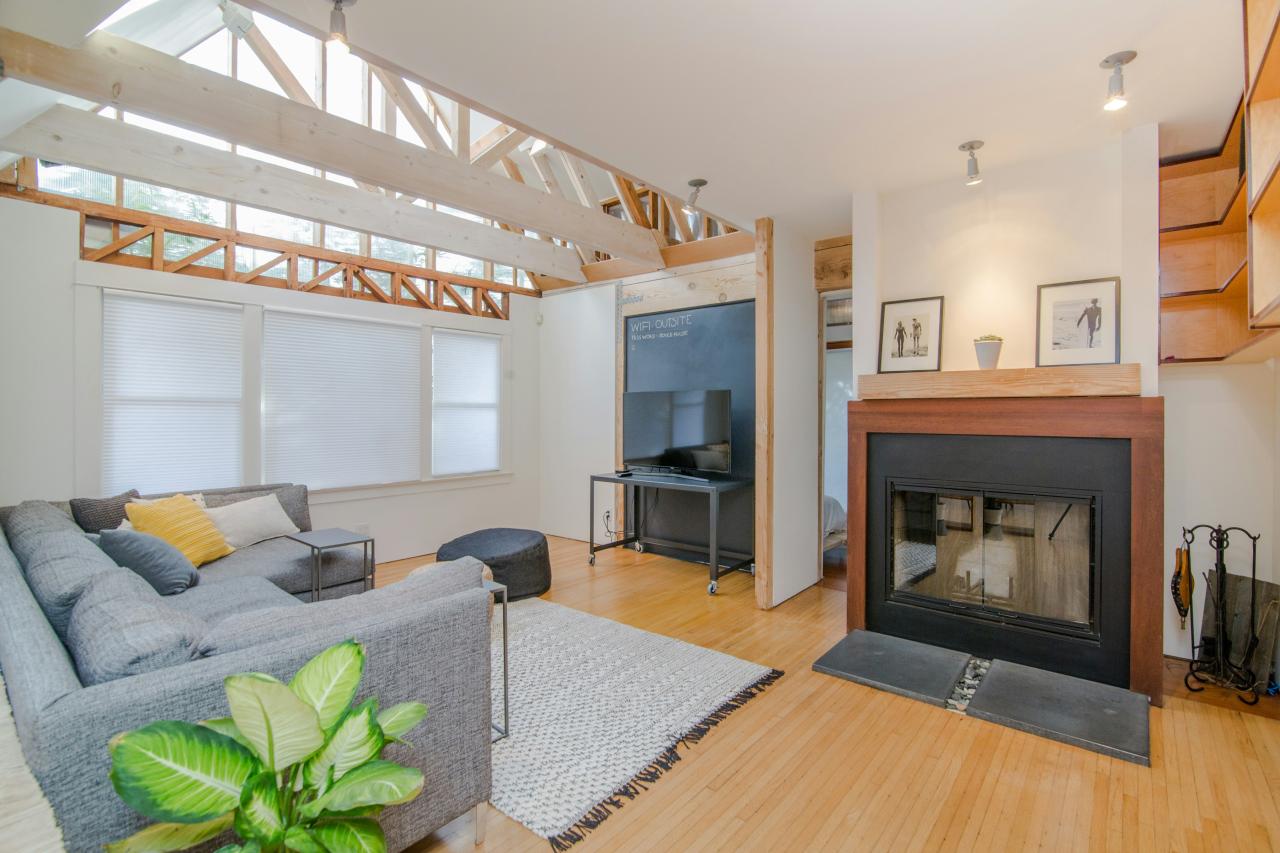
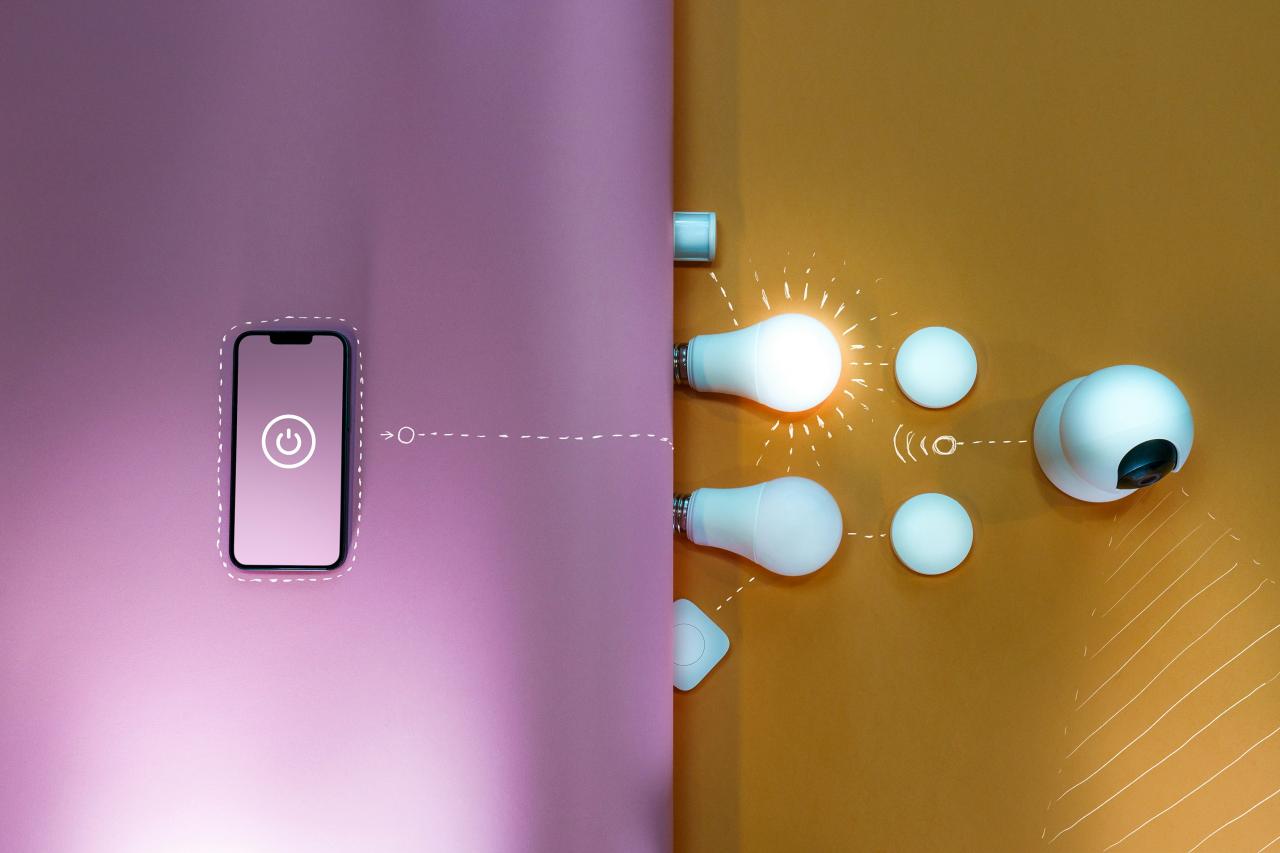
An integrated smart hub serves as the primary technical brain of your house, allowing different devices to speak the same language.
Without a central nervous system, your smart home is just a collection of expensive gadgets that require individual attention and manual updates. This digital infrastructure is the catalyst for your long-term operational independence and systemic domestic health in an increasingly connected world.
A. Centralized Communication Protocols
A high-quality hub uses universal languages like Matter or Thread to ensure that your lights, thermostats, and locks work together seamlessly.
This technical synchronization allows you to create complex “scenes” where multiple devices activate simultaneously with a single command or trigger. It provides a roadmap for total home harmony where your technology works for you rather than against your daily routine.
B. Localized vs. Cloud-Based Processing
Advanced hubs now offer localized processing, meaning your home automation continues to function even if your internet connection goes down.
This technical independence protects your privacy and ensures that your security systems remain active during a digital blackout or network failure. Local control is a fundamental requirement for anyone who values domestic sovereignty and reliable performance across all their living systems.
C. Voice and Gesture Control Integration
Modern systems allow you to control your environment through natural voice commands or simple hand gestures without touching a screen.
This administrative precision makes your home more accessible and reduces the “friction” of interacting with your digital ecosystem throughout the day. It is a technical masterpiece of convenience that allows you to manage your space while your hands are busy with other tasks.
I see many beginners buying random smart plugs and bulbs without checking if they are compatible with a central ecosystem. You should stop treating smart home purchases as isolated events and start seeing them as part of a single, unified technical architecture.
My perspective is that a hub is the only “non-negotiable” part of a future-proof home because it prevents your technology from becoming obsolete. Invest in a hub that supports the latest standards today so you don’t have to rewire your entire life tomorrow.
Advanced Climate Control and Energy Optimization
Smart thermostats have evolved into intelligent energy managers that learn your schedule and optimize your HVAC system for maximum efficiency. We are moving away from static schedules and toward dynamic environments that adjust based on real-time occupancy and external weather patterns.
This technical shift is the primary engine for reducing your carbon footprint and lowering your monthly utility overhead without sacrificing comfort.
A. Multi-Zone Temperature Regulation
Individual room sensors allow your system to direct heat or cooling only to the areas of the house you are actually using.
This technical precision eliminates wasted energy in empty rooms and ensures that your home office stays cool while the rest of the house remains at a baseline. It is a masterpiece of efficiency that balances your personal comfort with high-level resource management across the entire property.
B. Predictive Weather Compensation
Intelligent systems monitor local weather forecasts to pre-cool or pre-heat your home before a major temperature swing occurs.
By making small, technical adjustments early, your system avoids the high-energy “spikes” required to change the temperature suddenly during a heatwave or cold snap. This proactive approach protects your HVAC equipment from unnecessary wear and tear while keeping your energy bills low and predictable.
C. Automated Window and Shade Integration
Smart blinds can open and close based on the position of the sun to either capture natural heat in the winter or block it out in the summer.
This passive climate control works in perfect synergy with your thermostat to maintain a stable environment with minimal mechanical intervention. It provides a roadmap for a truly sustainable home that uses natural physics to support your modern digital lifestyle.
Most users set their thermostat and then forget about it, missing out on the massive savings that “occupancy-based” cooling can provide. You should realize that your home does not need to be a perfect 72 degrees when you are at work or sleeping in a different part of the house.
My advice is to install sensors in every high-traffic room to provide the “brain” with the data it needs to make smart decisions. Treat your climate control as a technical investment in your long-term comfort and financial health.
High-Resolution Security and Intelligent Surveillance
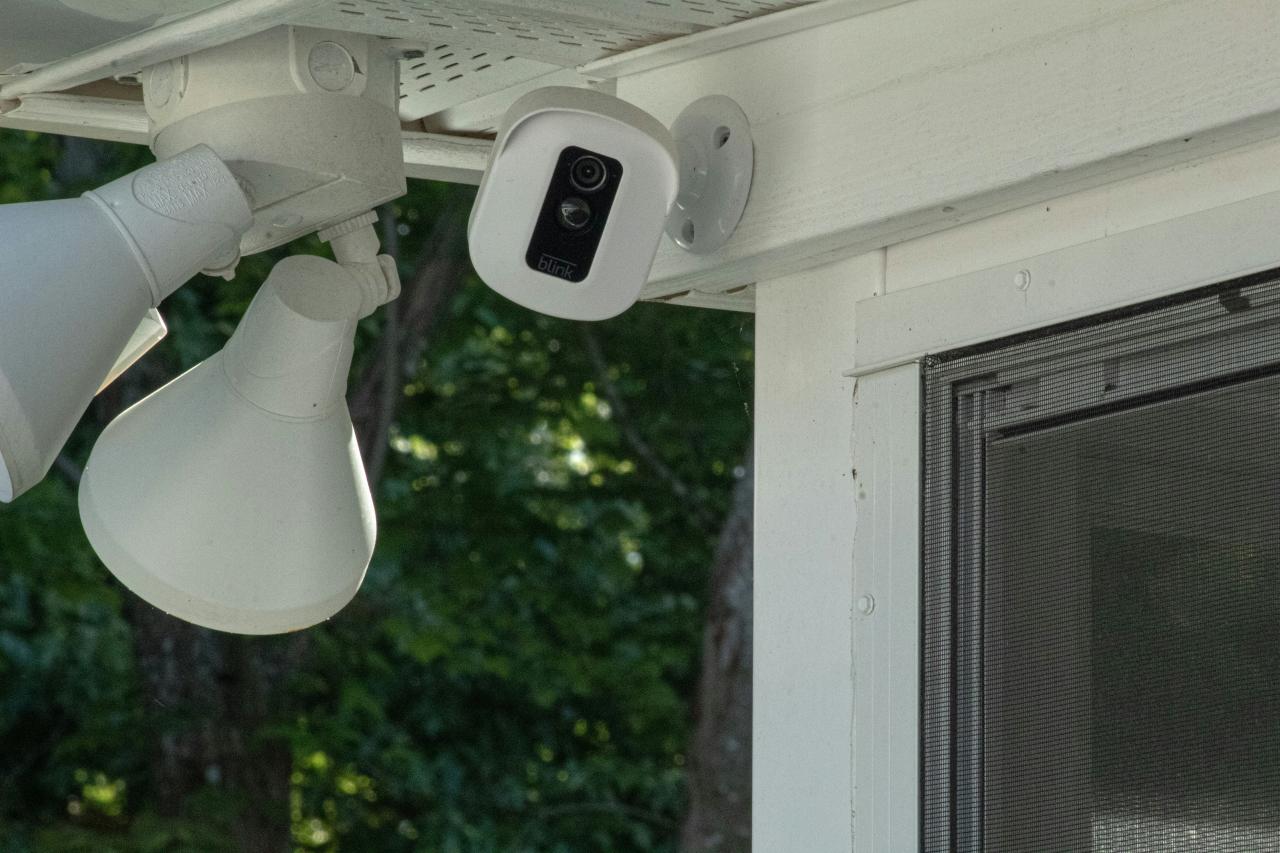
The future of home security involves more than just an alarm; it involves an intelligent perimeter that can distinguish between a delivery driver and a stranger.
We are seeing a revolution in surveillance where high-resolution cameras use AI to identify specific faces, vehicles, and even packages left on your doorstep. This technical shield provides a level of domestic sovereignty that was once only available to the ultra-wealthy.
A. AI-Powered Facial and Object Recognition
Modern cameras can send you specific alerts only when they detect a human in your yard, ignoring the movements of local pets or swaying trees.
This technical accuracy reduces “notification fatigue” and ensures that you only check your phone when there is a real event that requires your attention. It is the primary requirement for a security system that provides true peace of mind without becoming a digital nuisance.
B. Biometric Entry Systems and Smart Locks
Replacing traditional keys with fingerprint scanners or facial recognition ensures that only authorized individuals can enter your private sanctuary.
You can generate temporary “digital keys” for guests or service workers that expire after a certain time, giving you total control over who has access. This administrative discipline is a fundamental pillar for anyone who wants to manage their home’s security with professional precision.
C. Integrated Emergency Response Protocols
In the event of a fire or a water leak, your smart home can automatically shut off the main water valve and unlock the doors for emergency responders.
This technical synergy between sensors and actuators can save your property from catastrophic damage and protect your family from life-threatening situations. It provides a roadmap for a resilient home that takes care of itself during a crisis, even if you are not there.
I noticed that people often install high-end cameras but keep their default, weak passwords on their security accounts. You should realize that a smart security system is only as strong as your digital hygiene and your encryption protocols.
My perspective is that you must treat your home network like a high-stakes data center that requires two-factor authentication and regular updates. Don’t build a high-tech fortress with a digital “back door” left wide open for intruders.
Smart Lighting and Circadian Rhythm Optimization
Lighting is no longer just about seeing in the dark; it is about supporting your biological clock and enhancing your mood through technical color control.
We are learning that the “temperature” of light in your home can significantly affect your sleep quality, productivity, and overall mental health. Integrated lighting systems allow you to synchronize your indoor environment with the natural cycle of the sun.
A. Adaptive Lighting and Color Temperature
Your lights can automatically shift from a bright, cool blue in the morning to a warm, soft amber in the evening to mimic natural daylight.
This technical adjustment supports your body’s production of melatonin, helping you fall asleep faster and wake up feeling more refreshed. Circadian lighting is a masterpiece of bio-innovation that transforms your home into a tool for better health and recovery.
B. Motion-Sensing Pathway Illumination
Sensors can trigger soft, low-level lighting when you walk through the hallway at night, guiding your path without fully waking you up.
This technical convenience prevents trips and falls while maintaining the “sleep mode” of your brain and your family members. It is a fundamental requirement for a modern home that values safety and biological comfort across all hours of the day.
C. Energy-Efficient Dimming and Scheduling
Smart dimmers allow you to use only the exact amount of light you need, extending the life of your bulbs and reducing your total electricity consumption.
You can schedule your lights to simulate occupancy while you are away, providing an extra layer of security through “light-based” psychological defense. This administrative precision ensures that your home always looks lived-in and welcoming, regardless of your physical location.
Many homeowners ignore the impact that harsh, 100% brightness overhead lights have on their stress levels throughout the day. You should stop thinking of light as a binary “on or off” switch and start seeing it as a spectrum of possibilities.
My advice is to use “indirect” smart lighting behind TVs or under cabinets to create a layered look that reduces eye strain and improves focus. Your home should be a canvas where light creates the perfect atmosphere for every high-performance task.
Automated Water Management and Leak Prevention
Water damage is one of the most expensive and common threats to a home, yet it is often the last area that people automate.
Modern sensors can detect a single drop of water in the wrong place and take immediate technical action to prevent a flood. This invisible layer of protection is the primary engine for preserving your property value and your long-term peace of mind.
A. Whole-Home Smart Water Shut-Off Valves
An automated valve installed on your main water line can cut off the supply the moment a leak is detected anywhere in the house.
This technical intervention can save you tens of thousands of dollars in repair costs and prevent the growth of toxic mold in your walls. It is the catalyst for a sovereign home that protects its own physical integrity without requiring a human to be present.
B. Point-of-Use Leak Sensors
Placing small sensors under sinks, behind washing machines, and near water heaters provides a high-resolution map of your home’s plumbing health.
These devices send instant alerts to your smartphone, allowing you to address a small drip before it turns into a major plumbing emergency. This technical foresight is a fundamental requirement for anyone who wants to maintain a high-performance domestic environment.
C. Smart Irrigation and Weather Sensing
Outdoor watering systems can adjust their schedules based on local rainfall data and soil moisture levels, ensuring your garden stays healthy without wasting a drop.
This technical efficiency lowers your water bill and promotes a sustainable landscape that thrives in any climate or weather pattern. It provides a roadmap for an environmentally responsible home that manages natural resources with surgical precision.
I see many people spend thousands on smart speakers but ignore the five-dollar leak that is slowly destroying their subfloor. You should realize that the most valuable smart home technology is often the kind that you never see or hear until it saves your house.
My perspective is that water management is the “silent guardian” of your home’s equity and financial health. Don’t wait for a burst pipe to realize that a smart valve is much cheaper than a new hardwood floor.
The Kitchen of the Future and Automated Appliances
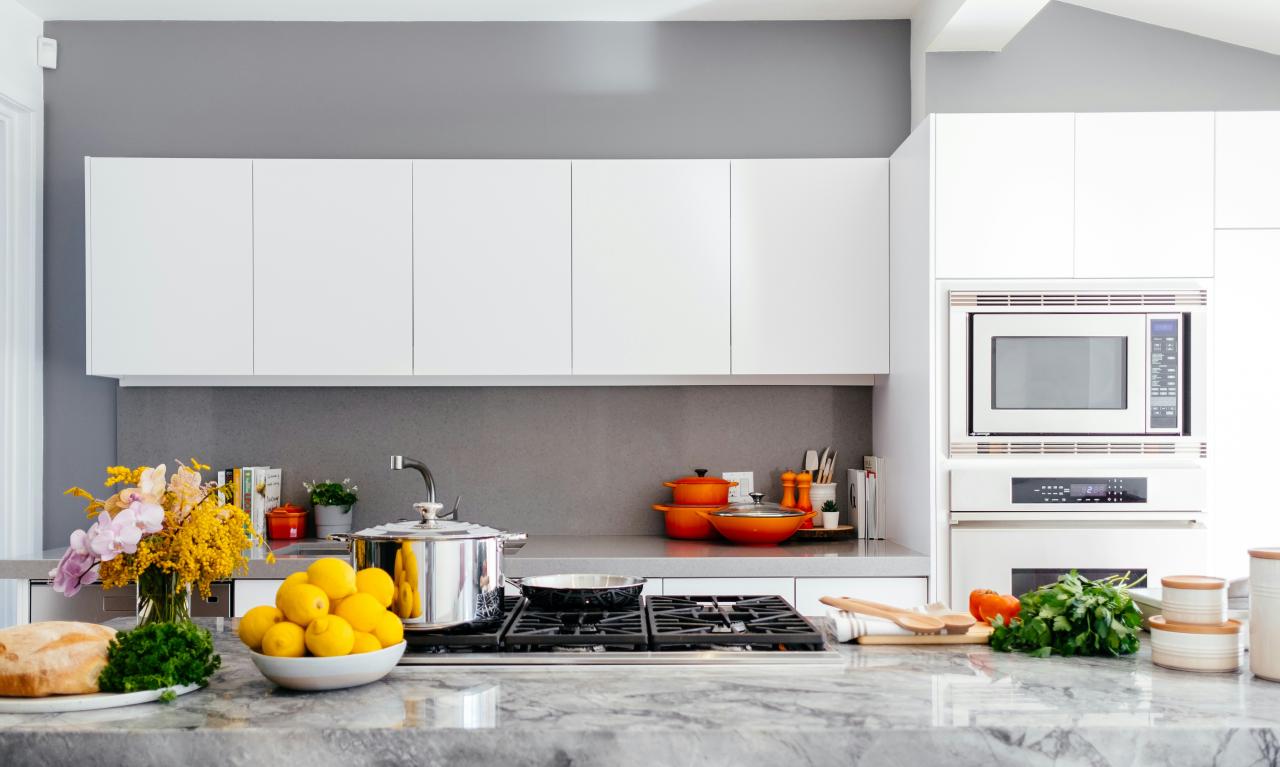
The kitchen is the heart of the home, and it is now becoming a high-tech laboratory for health and efficiency. Smart appliances can track your inventory, suggest recipes based on what you have, and even cook your food to the exact technical specifications of a professional chef.
This integration is the primary engine for reducing food waste and improving your family’s daily nutritional intake.
A. Inventory Tracking and Smart Refrigerators
Cameras inside your fridge allow you to see what you need while you are at the grocery store, preventing you from buying duplicates or forgetting essentials.
Some systems can even track expiration dates and suggest meals that use ingredients before they spoil, saving you money and reducing your environmental impact. It is a masterpiece of logistical management that brings professional-grade efficiency to your personal kitchen.
B. Precision Cooking and Automated Ovens
Smart ovens can recognize the food you put inside and automatically set the time, temperature, and humidity for a perfect result every time.
This technical accuracy takes the guesswork out of healthy eating and allows you to enjoy gourmet meals with minimal effort or cooking knowledge. It is a fundamental requirement for a high-performance lifestyle where you value both your time and your physical health.
C. Voice-Activated Faucets and Appliances
Faucets that dispense exactly one cup of water or pre-heat to a specific temperature allow you to work faster and more cleanly in the kitchen.
These technical micro-adjustments add up to significant time savings over a year and reduce the spread of germs on high-touch surfaces. This administrative precision ensures that your kitchen remains a clean, efficient, and enjoyable space for creativity and connection.
Most smart kitchen gadgets are gimmicks, but a smart oven and a connected fridge can fundamentally change how you eat and shop. You should stop buying gadgets that only do one thing and start looking for appliances that integrate into your total home ecosystem.
My advice is to focus on technology that automates the “chores” of cooking, like pre-heating or grocery listing, so you can focus on the joy of eating. Your kitchen should be a high-efficiency tool that supports your health goals with mechanical reliability.
Seamless Entertainment and Multi-Room Audio
The way we consume media has shifted toward a “content follows you” model where your music and videos move seamlessly from one room to another.
A future-proof entertainment system allows for total technical control over your audio and visual environment without messy wires or complex remotes. This digital integration is the primary engine for creating an immersive and relaxing atmosphere in your sovereign living space.
A. Hidden and Integrated Audio Systems
In-ceiling speakers and invisible audio panels provide high-fidelity sound throughout the house without cluttering your interior design with black boxes.
This technical discretion allows you to enjoy music or podcasts in any room, creating a consistent “soundtrack” for your daily activities and tasks. It is a masterpiece of aesthetic and technical harmony that elevates the feel of your home to an elite level.
B. One-Touch Home Theater Scenes
A single command can dim the lights, close the shades, and start your projector, turning your living room into a private cinema in seconds.
This technical automation removes the frustration of managing multiple remotes and ensures that your entertainment system is always ready for a high-quality experience. It provides a roadmap for a home that serves as a sanctuary for rest and high-level digital entertainment.
C. Wireless Multi-Room Synchronization
Advanced systems ensure that your music plays in perfect sync across multiple rooms, preventing the “echo” effect that ruins a party or a relaxing evening.
This technical precision allows you to move throughout your house while staying connected to your favorite content with total clarity and volume control. It is a fundamental requirement for a modern home that functions as a high-performance social and personal environment.
I’ve noticed that many people settle for mediocre sound quality because they don’t want to deal with the technical complexity of a professional setup. You should realize that modern wireless audio has reached a point where it can compete with expensive wired systems for most home needs.
My perspective is that your home’s “vibe” is determined largely by the quality of your audio and lighting environments. Don’t let poor sound quality diminish the value of your high-tech living space and your personal relaxation time.
The Future of Smart Home Sovereignty and Privacy
As your home becomes more intelligent, the importance of data security and personal privacy moves to the center of the conversation.
You must build a technical fortress that protects your family’s daily habits and conversations from being sold to the highest bidder or stolen by hackers. True domestic sovereignty requires a defensive mindset and a commitment to using technology that respects your boundaries and your data.
A. Network Segmentation for IoT Devices
Creating a separate “Guest” network for your smart home gadgets keeps them away from your personal computers and sensitive financial data.
This technical barrier ensures that if a cheap smart bulb is compromised, the rest of your digital life remains safe and secure behind a secondary wall. It is a masterpiece of digital defense that every high-performance homeowner should implement as a baseline security measure.
B. Preferring Local Control over Cloud Services
Choosing devices that work without an internet connection ensures that your home data never leaves your four walls and stays under your total control.
This technical independence prevents big tech companies from profiling your movements and your habits for advertising purposes or data mining. Local control is the ultimate form of digital sovereignty in a world that is increasingly focused on surveillance and data extraction.
C. Regular Firmware Audits and Updates
Treating your smart home like a professional server room means checking for security patches and firmware updates at least once a month.
This administrative discipline keeps your defensive perimeter strong against new threats and ensures that your hardware continues to operate with high-level efficiency. It provides a roadmap for a home that stays lean, agile, and secure in a rapidly changing technological landscape.
The biggest risk to your smart home isn’t a high-tech hacker; it’s a lack of basic digital hygiene and a reliance on “default” settings. You should stop clicking “I agree” to every data-sharing prompt and start reading the privacy labels on the apps you install.
My advice is to buy from reputable companies that have a clear track record of supporting their hardware with security updates for many years. Your home is your most private space, and you should guard its digital borders with the same intensity that you guard its physical ones.
Conclusion
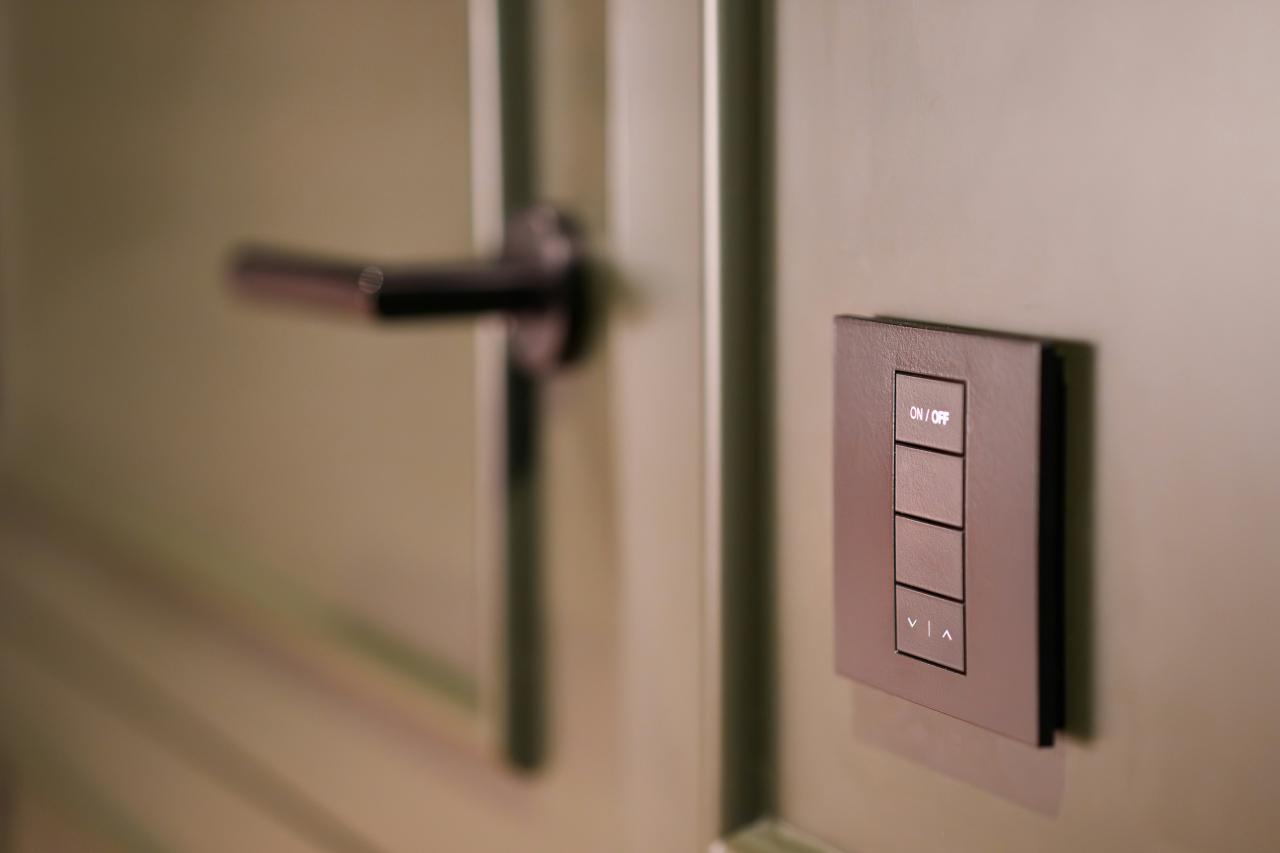
Smart automation is the key to sovereignty. You must balance high-tech growth with a defense. Your house is a living engine for comfort. Every technical device must have a specific mission. Scaling your home is a journey with data. Never let a digital crisis dictate your strategy.
True freedom comes from owning your space clearly. Use your discipline to build the home you value. The road to prosperity is paved with logic. Always keep a technical buffer for market shifts. Your commitment to excellence builds a lasting legacy.
Take the first step today by auditing habits. The future of your home starts with decisions. Stay curious about tools and stay grounded today. Success is measured by the stability you create. Treat your home as a fortress for freedom.
The best investment you can make is discipline. Build for the centuries and the decades follow. Finalize your plan and execute with total confidence.