The dream of owning a high-end residence has traditionally come with a massive price tag and years of stressful construction delays. For many decades, homebuyers believed that luxury required bespoke on-site labor and expensive architects who charged for every minor change to the blueprint.
This traditional model of building often excluded the middle class from experiencing the comfort and prestige of a truly modern, well-designed home. However, the emergence of luxury prefab housing offers a revolutionary way to access premium aesthetics without the astronomical costs of conventional building.
This transition represents a monumental shift from viewing “pre-fabricated” as cheap or temporary to seeing it as a superior form of precision engineering. We are entering an era where factory-controlled environments and high-grade sustainable materials serve as the primary foundations for affordable elegance.
This innovation addresses the critical challenge of the housing crisis by making sophisticated design accessible to a much broader audience of aspiring homeowners.
By mastering the art of selecting the right prefab model, you can transform your vacant lot into a stunning architectural masterpiece in a matter of weeks.
This article explores the most effective and proven prefab design strategies while optimizing your understanding of how modern technology delivers luxury at a fraction of the price.
The Evolution of Modern Prefab Aesthetics
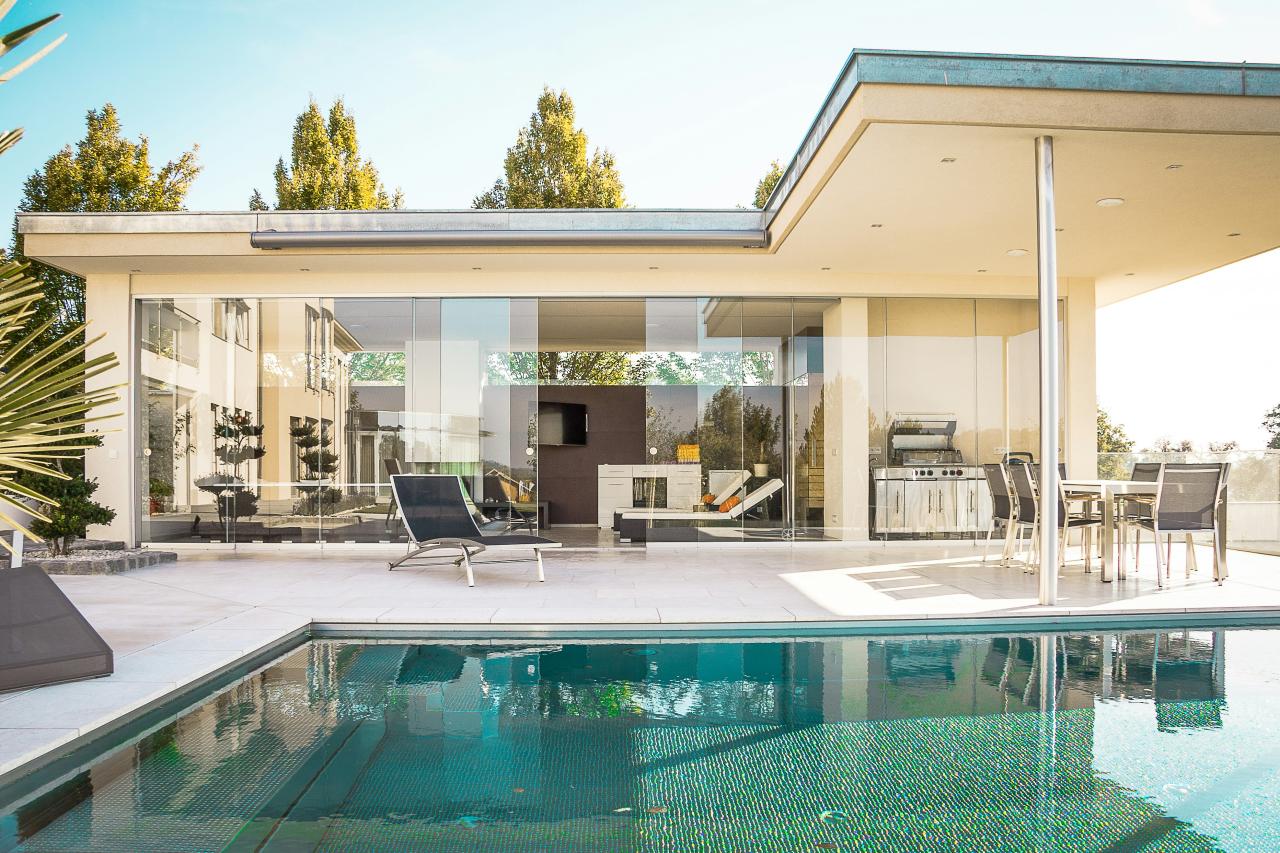
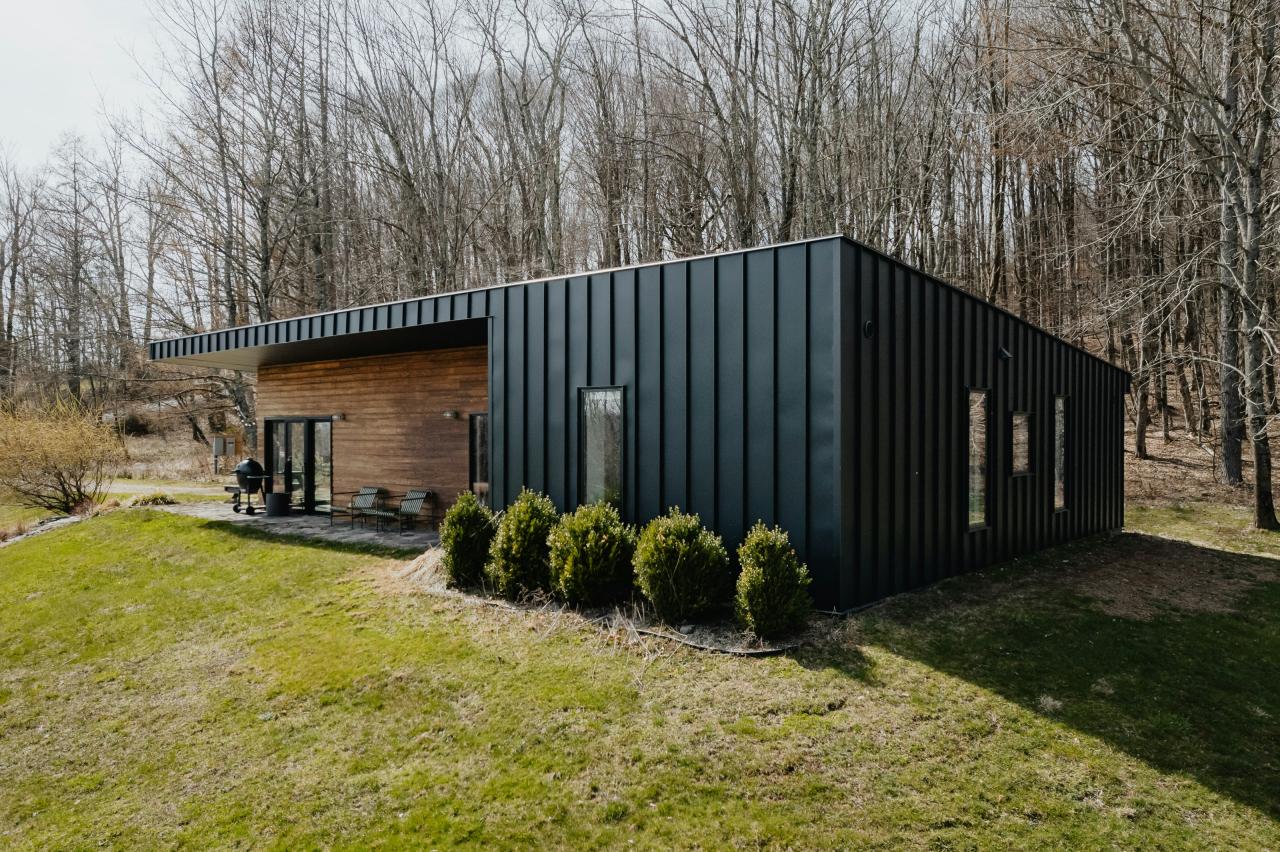
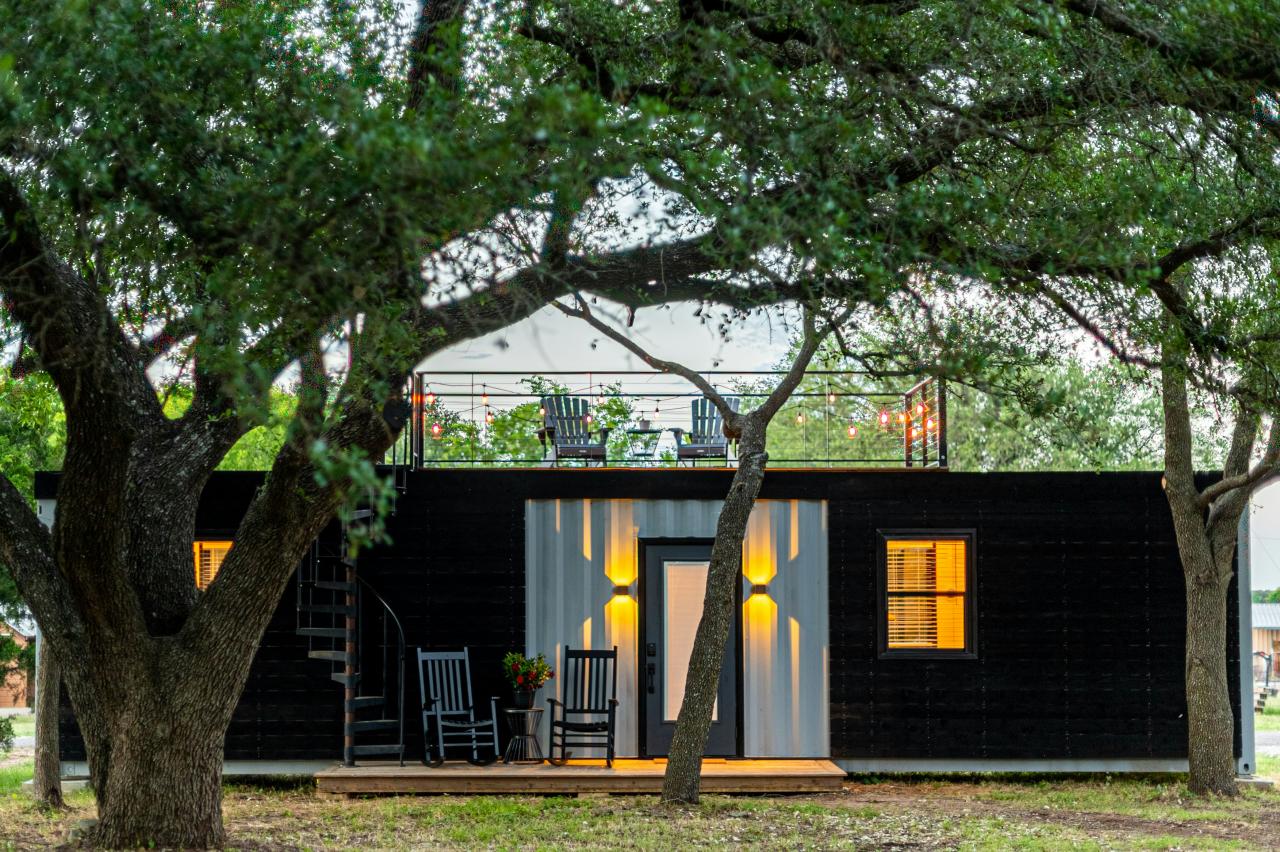
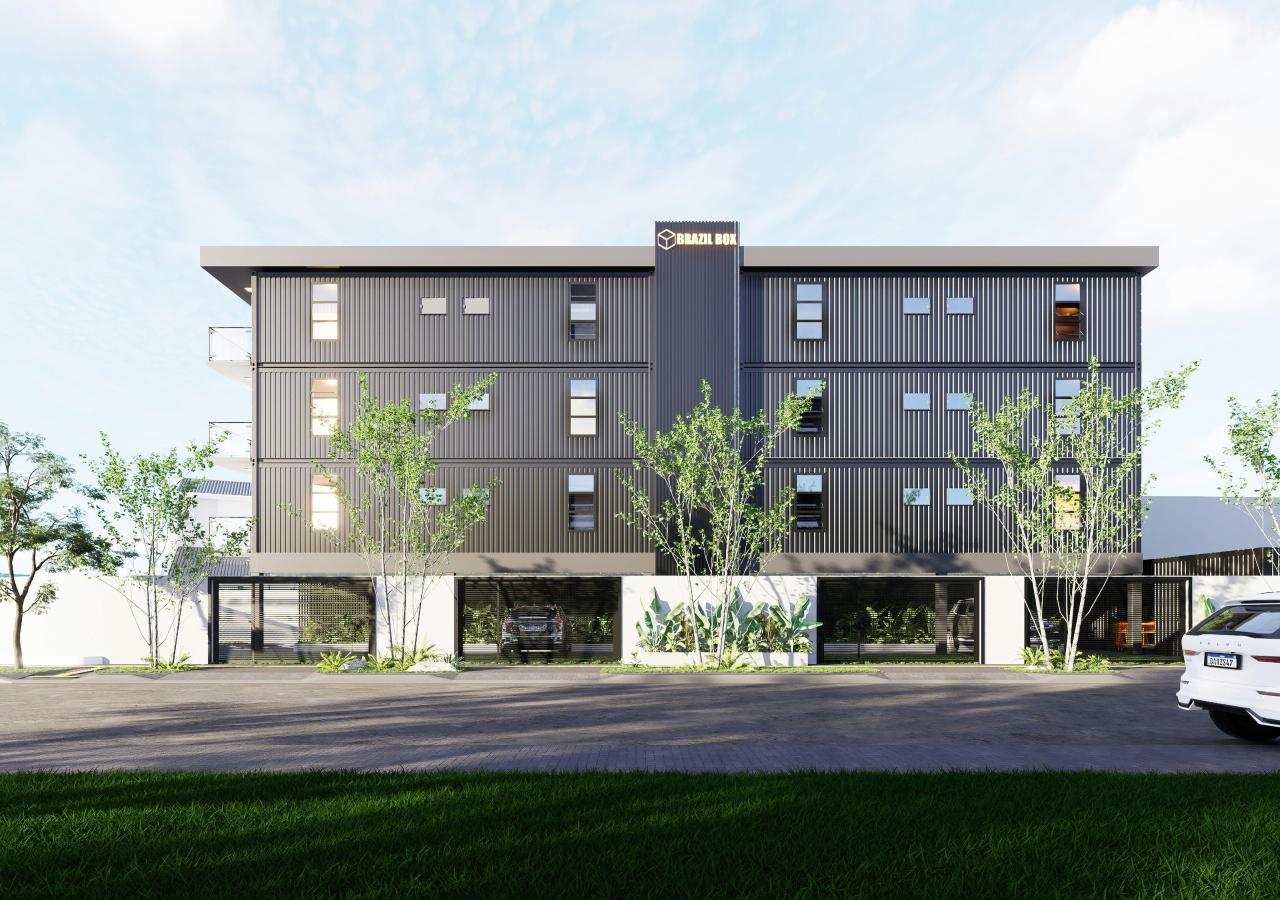
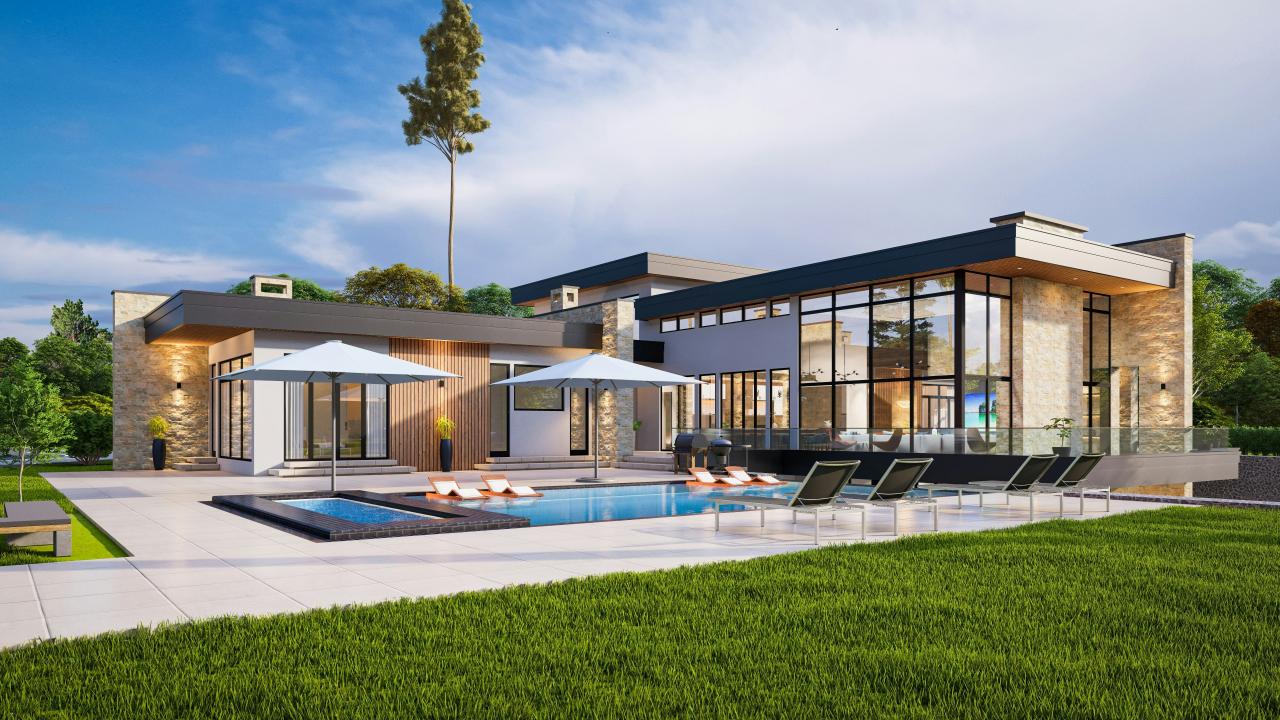
Modern prefab homes no longer resemble the simple mobile units of the past; they now feature the same sleek lines and glass walls found in Hollywood mansions. Designers use modular sections to create open-plan layouts that feel airy, spacious, and deeply connected to the surrounding landscape.
I believe that “architectural democratization” is the best way to solve the problem of high-end design being reserved only for the ultra-wealthy.
You solve the problem of visual boredom by choosing a manufacturer that collaborates with world-class architects to create “designer series” models. This perspective allows you to own a home that looks like a unique piece of art while paying the price of a standardized product.
A. Minimalist Geometric Structures
Clean lines and flat roofs create a timeless look that fits perfectly in both urban and rural settings. These designs prioritize function and flow, ensuring that every square foot of your home feels intentional and useful.
B. Expansive Floor-to-Ceiling Windows
Prefab manufacturers now integrate massive high-performance glass panels directly into the wall modules at the factory. This provides you with incredible views and floods your living spaces with natural light, which is a hallmark of luxury living.
C. Seamless Indoor-Outdoor Transitions
Many affordable luxury models include large sliding doors and integrated deck modules as part of the standard package. This blurs the line between your living room and your garden, making your total living space feel much larger than it actually is.
Cutting Costs Without Sacrificing Premium Quality
The main reason prefab homes are more affordable is the efficiency of the factory assembly line, not the use of inferior materials. Manufacturers buy high-end finishes in bulk and eliminate the costly waste that typically occurs on a messy, outdoor construction site.
My new perspective is that “industrial efficiency” is the secret to solving the problem of skyrocketing material costs and unpredictable labor fees.
You solve the problem of budget overruns by locking in a fixed price for a product that is built with the same precision as a luxury sports car. This perspective gives you the financial freedom to invest more in high-end appliances or landscaping rather than wasting money on construction delays.
A. Bulk Purchasing of Luxury Materials
A factory that builds hundreds of homes a year can negotiate much better prices on quartz countertops, hardwood floors, and designer tile. They pass these savings on to you, allowing you to have a “marble-look” kitchen for the price of a basic laminate one.
B. Elimination of On-Site Weather Delays
Because 90% of the work happens indoors, rain, snow, or extreme heat never stop the progress of your home. This predictability reduces the total labor hours required, which is often the most expensive part of any traditional building project.
C. Precision Engineering for Zero Waste
Computer-controlled saws and assembly robots use every inch of lumber and steel with incredible accuracy. You don’t pay for the piles of wasted wood and drywall that usually fill a dumpster on a traditional construction site.
High-Performance Sustainability as a Luxury Feature
Sustainability is the new status symbol in the luxury market, and prefab homes lead the way with superior energy performance and eco-friendly footprints. These homes feature airtight seals and high-density insulation that traditional builders often struggle to achieve in the field.
I suggest that “ecological luxury” is the ultimate tool for solving the problem of high utility bills and the environmental guilt of modern living.
You solve the problem of long-term maintenance by living in a home that was engineered to be energy-efficient from the very first day. This perspective turns your house into a self-sustaining sanctuary that protects your health and your wallet for decades to come.
A. Airtight Building Envelopes
Factories use specialized gaskets and sealing techniques to ensure that no air leaks out of your home, keeping your heating and cooling costs incredibly low. This high level of precision is nearly impossible to match when workers are fighting the elements on a traditional site.
B. Sustainable Material Sourcing
Most luxury prefab companies prioritize the use of recycled steel, FSC-certified timber, and non-toxic paints as a standard. This ensures that your home is not only beautiful but also provides a healthy indoor environment for your family.
C. Solar-Ready Modular Roofs
Many designs come with integrated solar mounts and pre-installed wiring for home battery systems. This makes it incredibly easy and affordable to add renewable energy, allowing you to reach net-zero status without expensive retrofitting.
Customization Options in the Luxury Prefab Market
While the structure of a prefab home is standardized, the interior finishes and layout configurations offer a surprising amount of personal choice. You can often choose from several “design palettes” that include different flooring, cabinetry, and lighting options to reflect your personal style.
I believe that “standardized customization” is the best way to solve the problem of the “analysis paralysis” that often happens during custom home builds.
You solve the problem of design stress by choosing from a curated list of high-end options that are guaranteed to look great together. This perspective allows you to have a home that feels uniquely yours without the need to spend months picking out every single door handle.
A. Modular Room Additions
If your needs change, many prefab designs allow you to add extra modules later, such as a home office or a guest suite. This “lego-style” flexibility means your home can grow with your family, making it a truly long-term living solution.
B. Designer Interior Packages
Manufacturers often partner with interior designers to offer “move-in ready” packages that include furniture and decor. This ensures that your home looks like a professional showroom from the moment you get the keys.
C. Flexible Exterior Finishes
You can usually choose between different siding materials, such as charred cedar, architectural metal, or fiber cement. This allows you to match the aesthetic of your neighborhood while still enjoying the modern benefits of prefab construction.
Speed of Delivery: From Foundation to Move-In
The speed of prefab construction is perhaps its most luxurious feature, as it saves the homeowner months of waiting and uncertainty. While a traditional home might take over a year to finish, a prefab house can often be assembled and ready for occupancy in just a few months.
My perspective is that “time-saving luxury” is the secret to solving the problem of housing displacement and the stress of long-term construction projects.
You solve the problem of waiting by choosing a method where the house is being built in the factory at the same time your land is being prepared. This perspective lets you plan your move-in date with confidence and start enjoying your new lifestyle much sooner.
A. Concurrent Construction Stages
While the site crew is digging the foundation and laying the pipes, the factory is simultaneously building the walls and roof. This parallel processing cuts the total project timeline in half, which is a massive benefit for anyone on a tight schedule.
B. Rapid On-Site Assembly
Once the modules arrive on the truck, a crane can often set them in place in just one or two days. This reduces the disruption to your neighborhood and minimizes the time you need to pay for temporary housing elsewhere.
C. Streamlined Permitting Processes
Many prefab companies have pre-approved plans that meet local building codes, which can speed up the bureaucratic process. This reduces the “red tape” that often causes traditional construction projects to stall for months.
Smart Home Integration in Prefab Design
Luxury today is defined by how well your home anticipates your needs, and prefab designs are perfect for integrating smart technology from the start. Because the walls are built in a factory, manufacturers can easily run fiber-optic cables and install sensors in places that would be difficult to reach in a traditional build.
I suggest that “digital-first architecture” is the ultimate tool for solving the problem of outdated home technology and messy aftermarket wiring.
You solve the problem of home management by living in a space where the lighting, security, and climate are all controlled by a single, seamless system. This perspective ensures that your home stays modern and functional as technology continues to evolve.
A. Pre-Wired Smart Hubs
Every luxury prefab home can feature a central tech closet that houses all your networking and automation equipment. This keeps the rest of the house looking clean and minimalist while providing powerful connectivity to every room.
B. Integrated Security Sensors
Window and door sensors can be built directly into the frames at the factory, making them virtually invisible to the eye. This provides a high level of security without the need for bulky, ugly external devices.
C. Automated Climate and Light Control
Smart thermostats and motorized shades can be programmed to work together to keep your home at the perfect temperature while maximizing natural light. This level of automation is a standard luxury feature that makes daily life much more comfortable.
Durability and Seismic Resilience of Prefab Units
Contrary to old myths, modern prefab homes are often stronger than traditional houses because they must survive the stress of transport and crane lifting. Each module is built as a rigid box that can withstand high winds, heavy snow loads, and even earthquakes better than many site-built structures.
I believe that “structural over-engineering” is the best way to solve the problem of home safety in regions prone to natural disasters.
You solve the problem of structural vulnerability by living in a home where the walls and floors are reinforced to survive a journey across the country on a trailer. This perspective gives you peace of mind that your family is protected in a house that is built to exceed the most rigorous safety standards.
A. High-Strength Steel Framing
Many luxury models use light-gauge steel frames instead of wood, which provides superior strength and resistance to fire, rot, and termites. This material ensures that your home remains straight and true for many generations with very little maintenance.
B. Redundant Structural Support
When two modules are joined together, the resulting wall or floor is essentially twice as thick as a standard home. This provides incredible stiffness and soundproofing that you won’t find in most traditional residential builds.
C. Transportation-Grade Fastening
Factories use high-torque bolts and industrial-strength adhesives to ensure that nothing shifts during the move to your site. This level of fastening creates a unified, rock-solid structure that is much more resilient to the settling and shifting of the earth.
Finding the Right Luxury Prefab Partner
The success of your project depends largely on choosing a manufacturer that understands your vision and has a proven track record of delivering quality results. You should look for companies that offer transparent pricing, comprehensive warranties, and a portfolio of finished homes that you can visit.
My new perspective is that “partner selection” is the secret to solving the problem of construction anxiety and the fear of the unknown. You solve the problem of project risk by working with a company that handles everything from the initial design to the final site inspection.
This perspective allows you to enjoy the creative process of building your home while the professionals handle the technical complexities.
A. Transparent All-In Pricing
The best prefab companies provide a clear breakdown of costs, including the house, the delivery, and the on-site assembly. This prevents the “sticker shock” that often occurs when hidden fees start piling up at the end of a traditional build.
B. Comprehensive Structural Warranties
Look for a builder that offers at least a 10-year warranty on the structure and a solid guarantee on the interior finishes. This shows that the company stands behind their product and is confident in the durability of their factory-built homes.
C. Proven Design Expertise
Review the company’s past projects to see if their aesthetic matches your personal style and if their homes have aged well over time. A company with a strong design identity will help you create a home that remains a valuable asset for years to come.
Conclusion
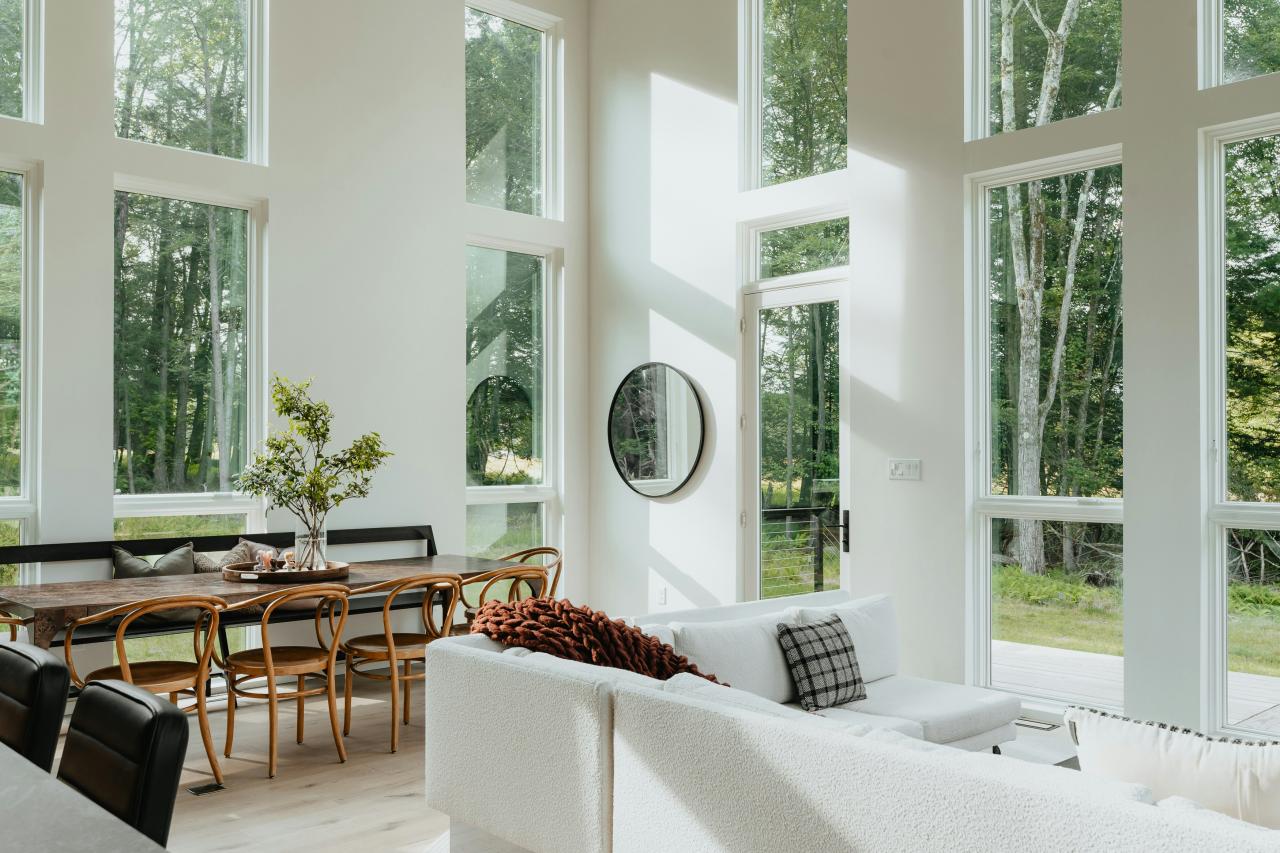
Prefab homes represent a powerful shift in the housing market, replacing outdated construction rules with innovative digital tools and efficient designs that prioritize your family’s well-being.
By integrating data tracking and smart automation, you can effectively eliminate common housing stress and high construction risks while significantly reducing your overall costs.
Taking immediate action to adopt these prefab plans allows you to reclaim your time, grow your personal wealth, and secure a safer future through software-driven solutions.
The path to a successful and high-performance lifestyle is clear when you use modern technology as your primary tool to fuel your growth and ultimate freedom.