The global demand for infrastructure and housing has reached an unprecedented peak, forcing the construction industry to abandon slow, traditional methods in favor of rapid innovation.
For many decades, the standard building process relied on sequential on-site labor that remained highly vulnerable to weather disruptions, supply chain inconsistencies, and human error.
This traditional model often resulted in massive budget overruns and project timelines that stretched into several years, frustrating investors and homeowners alike. However, the emergence of high-speed modular solutions offers a revolutionary way to deliver complex buildings in nearly half the time required by conventional methods.
This transition represents a monumental shift from manual on-site assembly to a sophisticated, factory-controlled manufacturing ecosystem that guarantees surgical precision.
We are entering an era where parallel processing and off-site engineering serve as the primary foundations for a scalable, efficient, and high-quality urban landscape.
This innovation addresses the critical challenge of the housing shortage by allowing developers to complete projects with incredible speed and minimal environmental impact.
By mastering the art of fast-track modular construction, you can transform your investment strategy and achieve a faster return on capital than ever before. This article explores the most effective and proven modular strategies while optimizing your understanding of how speed and quality coexist in modern engineering.
The Power of Parallel Processing in Construction
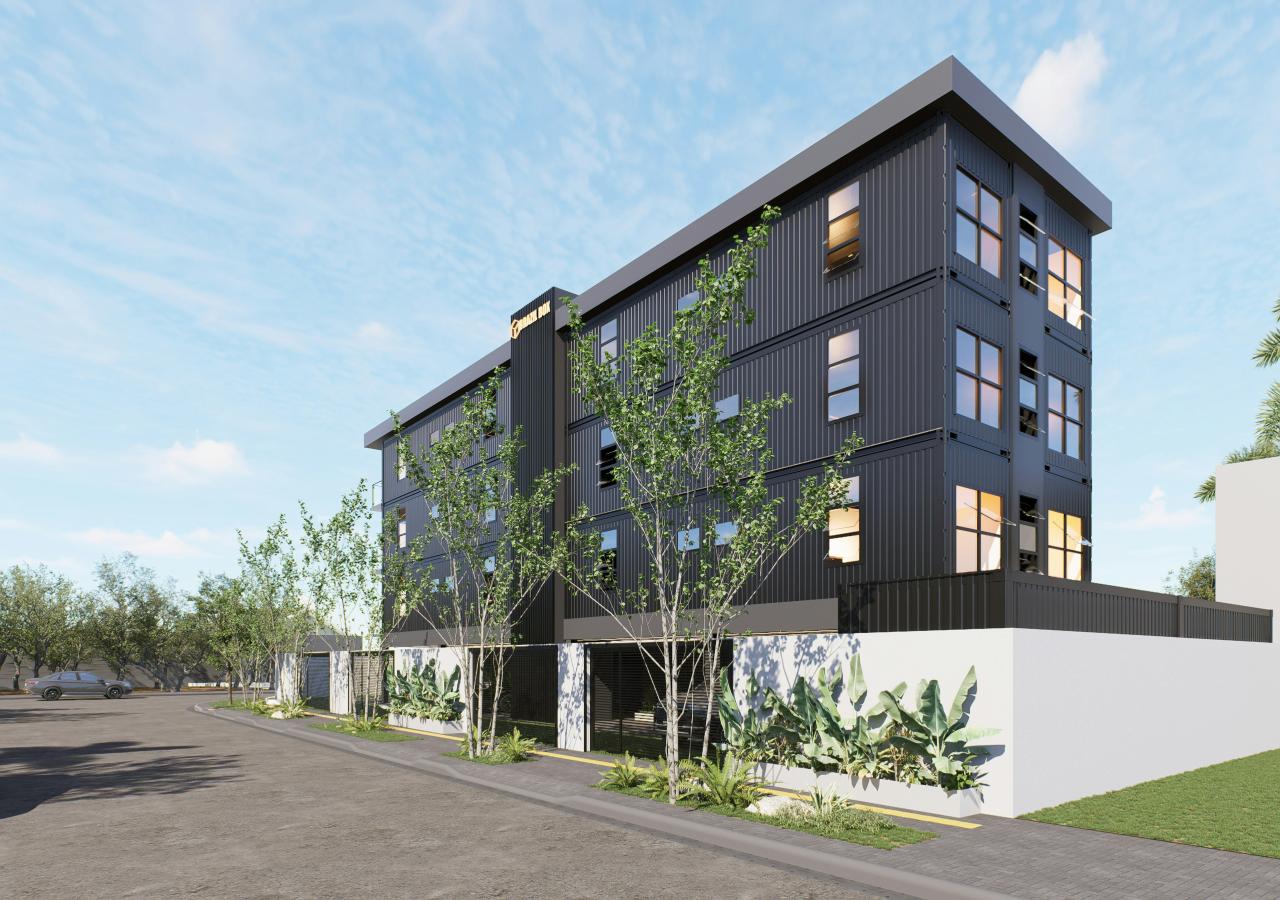
Traditional construction follows a linear path where you must finish the foundation before you can even think about framing the walls. Modular construction breaks this bottleneck by allowing site preparation and building fabrication to happen at the exact same time in two different locations.
I believe that “temporal overlapping” is the best way to solve the problem of seasonal delays that usually kill project momentum during winter or monsoon months.
You solve the problem of the “waiting game” by ensuring that while your ground crew digs the basement, your factory crew finishes the roof. This perspective turns the construction timeline into a synchronized race where every hour adds value instead of wasting money on idle labor.
A. Simultaneous Site and Factory Work
Contractors can clear the land, install utilities, and pour the concrete foundation while the actual building modules grow inside a climate-controlled facility. This synchronization slashes the total project duration by thirty to fifty percent compared to site-built structures.
B. Reduced Weather Vulnerability
Since most of the structural work happens indoors, rain or snow cannot halt the production of the modules. This predictability allows project managers to hit their deadlines with near-perfect accuracy, regardless of the outdoor climate.
C. Streamlined Foundation Integration
Modular units arrive at the site ready to be bolted down, which means the transition from a hole in the ground to a standing building happens in a matter of days. This rapid deployment minimizes the time heavy machinery stays on-site, saving you thousands in rental fees.
Precision Engineering for Zero-Error Assembly
One of the biggest time-wasters in traditional building is “rework,” which happens when measurements are slightly off and parts do not fit together correctly. Modular factories use computer-aided design and robotic cutting tools to ensure every component meets a tolerance of less than one millimeter.
My new perspective is that “mathematical certainty” is the secret to solving the problem of expensive on-site adjustments and material waste.
You solve the problem of human error by choosing a system where machines verify every joint and seal before the module leaves the factory floor. This perspective guarantees that when the modules arrive at your site, they click together as perfectly as a high-end puzzle.
A. Computer-Aided Manufacturing (CAM)
Digital blueprints feed directly into factory machines that cut steel, wood, and drywall with absolute consistency. This eliminates the “measure twice, cut once” mantra because the machine always cuts perfectly the first time.
B. Rigorous Quality Control Stations
Each module passes through multiple inspection points where experts check electrical, plumbing, and structural integrity under bright factory lights. You get a house that has been “tested” for performance before it ever faces a real-world storm.
C. Standardized Component Sourcing
Factories buy high-quality materials in bulk and use standardized parts, which prevents the delays caused by missing specialized screws or custom brackets. This consistency ensures that the assembly line never stops moving, keeping your project on the fast track.
Logistics and the Art of Rapid On-Site Delivery
The “magic” moment of modular construction happens during the “set,” where a massive crane lifts the pre-finished rooms into place in a single day. This phase requires intense logistical planning but results in a building that is seventy percent complete before the sun sets.
I suggest that “logistical choreography” is the ultimate tool for solving the problem of neighborhood disruption and road closures in crowded cities.
You solve the problem of community complaints by finishing the “noisy” part of the build in one weekend instead of six months. This perspective makes modular solutions the perfect choice for high-density urban areas where space and time are at a premium.
A. Just-In-Time Delivery Schedules
Logistics teams coordinate the arrival of module trucks so that as soon as the crane finishes one lift, the next unit is waiting at the gate. This continuous flow maximizes crane rental time and ensures the structure rises at an incredible pace.
B. Pre-Installed Interior Systems
Most modules arrive with the paint, tiles, cabinets, and even light fixtures already installed and protected by plastic wrap. This “finished-box” approach means you don’t need to coordinate dozens of different sub-contractors on a crowded site.
C. Rapid Utility Stitching
The plumbing and electrical lines in modular units feature “quick-connect” fittings that allow workers to join the entire building’s systems together very quickly. This reduces the time needed for final inspections and allows you to turn on the power almost immediately.
Enhancing Sustainability Through Efficient Speed
Speed in modular construction does not come at the expense of the environment; in fact, the two go hand-in-hand to reduce the carbon footprint of your home. By concentrating the building process in a factory, you reduce the number of truck trips to the site and almost entirely eliminate material waste.
I believe that “concentrated efficiency” is the best way to solve the problem of the construction industry’s massive contribution to global landfills.
You solve the problem of environmental impact by using a system that recycles every scrap of metal and wood within the factory loop. This perspective allows you to build a sustainable future at a pace that keeps up with the modern world’s demands.
A. Controlled Material Recycling
Factories collect and sort off-cuts of steel and drywall immediately, sending them back to the manufacturer to be turned into new building products. This closed-loop system ensures that your project generates nearly zero waste compared to the piles of trash found at traditional sites.
B. Reduced Transportation Emissions
Instead of hundreds of individual workers and delivery vans driving to your site for a year, a few heavy-duty trucks deliver the completed modules over a few days. This massive reduction in vehicle miles lowers the total carbon emissions associated with your building project.
C. High-Performance Building Envelopes
The airtight seals achieved in a factory setting make modular buildings much more energy-efficient than traditional ones. This speed of assembly leads to a home that uses less energy for heating and cooling for the rest of its life.
Cost Predictability and Financial Acceleration
The “Fast Track” is not just about time; it is also about the financial security that comes with knowing exactly when your project will finish and how much it will cost. Modular construction removes the “unknown variables” of site-built projects, such as labor strikes, material shortages, or sudden price hikes.
My new perspective is that “financial compression” is the secret to solving the problem of high-interest construction loans and market volatility.
You solve the problem of capital risk by choosing a method that gets tenants into the building and paying rent months ahead of schedule. This perspective turns your building into a high-yield asset that starts generating cash flow while your competitors are still pouring their foundations.
A. Fixed-Price Manufacturing Contracts
Once you sign the contract for your modules, the price is locked in because the factory has already secured the materials and labor. This protects you from the “budget creep” that usually destroys the profitability of traditional real estate developments.
B. Lower Interest Carrying Costs
Because the project finishes so much faster, you spend less time paying interest on your construction loan. This saving can often amount to hundreds of thousands of dollars on large-scale commercial or multi-family projects.
C. Faster Market Entry
In a hot real estate market, being first is everything. Modular solutions allow you to capitalize on high demand by delivering a finished product while the local competition is still stuck in the planning and slow-building phases.
Adaptive Design for Diverse Modular Applications
Modular solutions are no longer limited to simple rectangular offices; they now power luxury hotels, high-tech hospitals, and stunning residential estates. The flexibility of steel and timber frames allows architects to create cantilevered rooms, glass-walled atriums, and complex multi-story structures.
I suggest that “modular versatility” is the ultimate tool for solving the problem of “boring” architecture in the fast-track market.
You solve the problem of aesthetic limitations by using pre-made units as “digital blocks” that you can stack and rotate in endless combinations. This perspective allows you to have a building that looks like a custom architectural masterpiece but functions with the efficiency of a high-tech product.
A. Healthcare and Laboratory Units
Hospitals use modular solutions to add clean-room surgeries and patient wings in record time without disrupting current operations. These units come with medical gases and specialized ventilation already integrated into the walls at the factory.
B. Educational and Campus Expansion
Schools can add entire classroom blocks during the short summer break, ensuring they are ready for students by the first day of the new term. This avoids the safety hazards and noise of having construction crews on campus during the school year.
C. Retail and Hospitality Pop-Ups
Luxury brands and hotels use high-end modular pods to create temporary or permanent experiences in remote or crowded locations. These “plug-and-play” buildings can be moved or expanded as the business grows, providing ultimate operational flexibility.
Solving the Skilled Labor Shortage
The construction industry faces a massive shortage of skilled carpenters, plumbers, and electricians, making it harder to find reliable labor for on-site projects. Modular construction solves this by moving the work to a central factory where a permanent, highly trained team works in a safe and comfortable environment.
I believe that “centralized labor optimization” is the best way to solve the problem of the aging and shrinking construction workforce. You solve the problem of labor scarcity by supporting a system that provides stable, year-round jobs for skilled craftsmen away from the harsh conditions of the field.
This perspective ensures that your project always has the best talent working on it, regardless of the local labor market.
A. Optimized Ergonomics and Safety
Factory workers use stationary tools, overhead cranes, and stable platforms, which significantly reduces the risk of injuries and fatigue. A safe worker is a more productive worker, which directly contributes to the incredible speed of the modular assembly line.
B. Specialized Task Repetition
In a factory, workers can specialize in specific tasks, becoming absolute experts at installing windows or wiring control panels. This repetition leads to mastery and speed that an on-site worker, who must juggle many different tasks, can never match.
C. Continuous Training Programs
Modular companies invest heavily in training their permanent staff on the latest building technologies and sustainable practices. This ensures that every module in your building features the most advanced engineering and the highest level of craftsmanship available today.
The Future of Smart and Scalable Urban Growth
As our cities become more crowded and technologically advanced, modular construction provides the “hardware” for the future of smart urban living. Pre-fabricated units can come pre-loaded with smart sensors, fiber-optic networking, and automated climate systems that connect directly to the city’s digital grid.
My new perspective is that “infrastructure-ready housing” is the secret to solving the problem of the digital divide and urban congestion.
You solve the problem of modern living by choosing a home that was designed to be “smart” from the moment it was conceived in the factory. This perspective positions modular construction as the backbone of the next generation of resilient, connected, and fast-growing cities.
A. Plug-and-Play Urban Density
Modular units can be “plugged” into a central steel frame in a city center, allowing for high-density living without the years of disruption caused by traditional skyscrapers. This “plug-in” architecture allows for faster urban renewal and more flexible housing markets.
B. Data-Driven Building Maintenance
Smart sensors inside the modular walls can detect water leaks or electrical faults before they become major problems. This “predictive maintenance” saves homeowners money and extends the lifespan of the building by many decades.
C. Scalable Micro-Unit Solutions
Modular technology is perfect for creating high-quality micro-apartments that provide affordable, fast-track housing for young professionals. These units prove that you can live a big, high-tech life in a small, efficiently designed footprint.
Conclusion
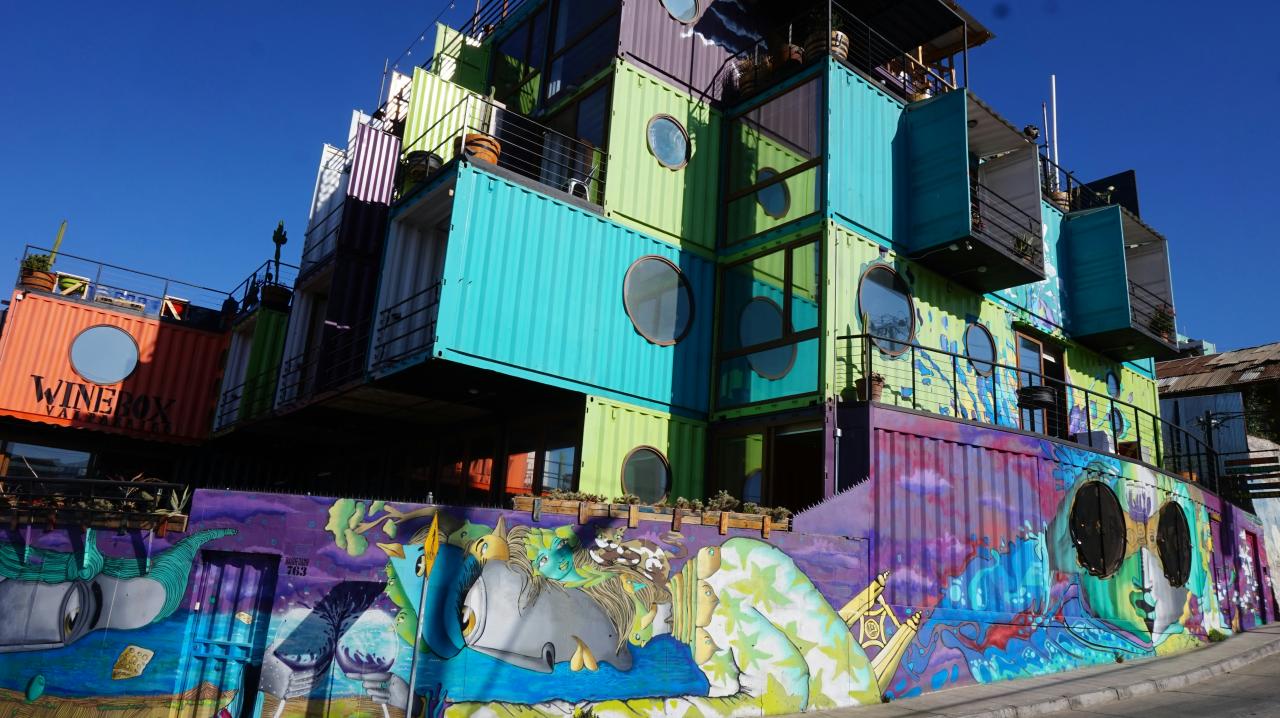
Fast homes represent a breakthrough in safety and efficiency, replacing outdated building methods with innovative digital tools that allow you to complete your projects and secure your house immediately.
By integrating data tracking and smart digital flows, you can effectively eliminate housing stress and high construction risks while benefiting from significantly lower costs.
Taking immediate action to adopt these rapid building plans allows you to reclaim your time, grow your personal wealth, and ensure your future stays safe through software-driven solutions.
The path to a successful and high-performance lifestyle is clear when you use automation as your edge to fuel rapid growth and ultimate freedom starting today.