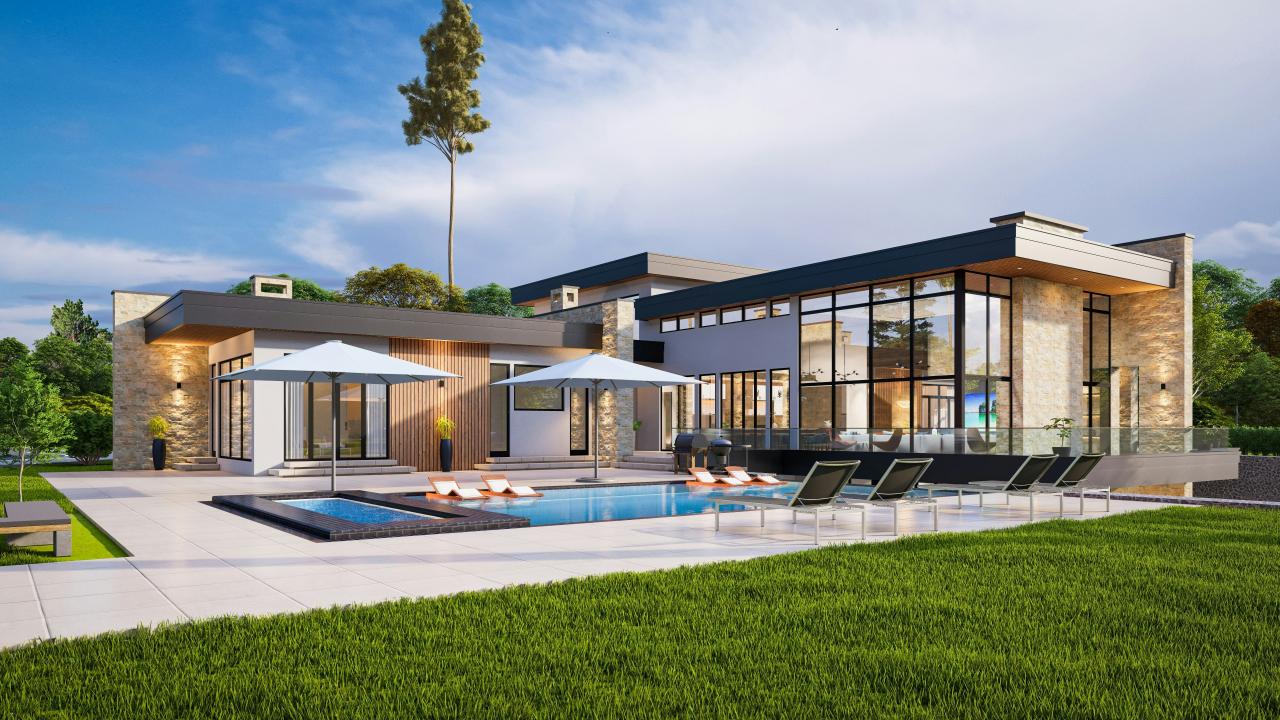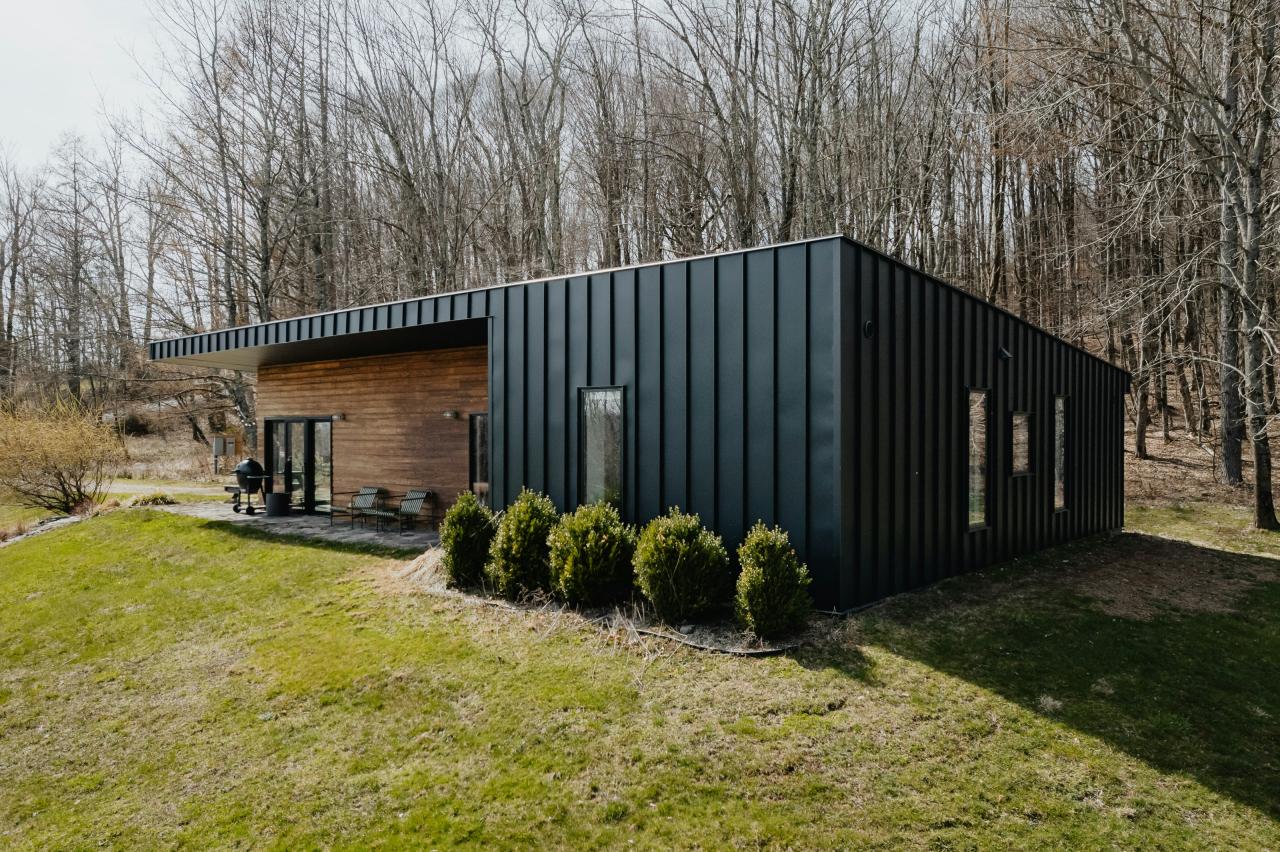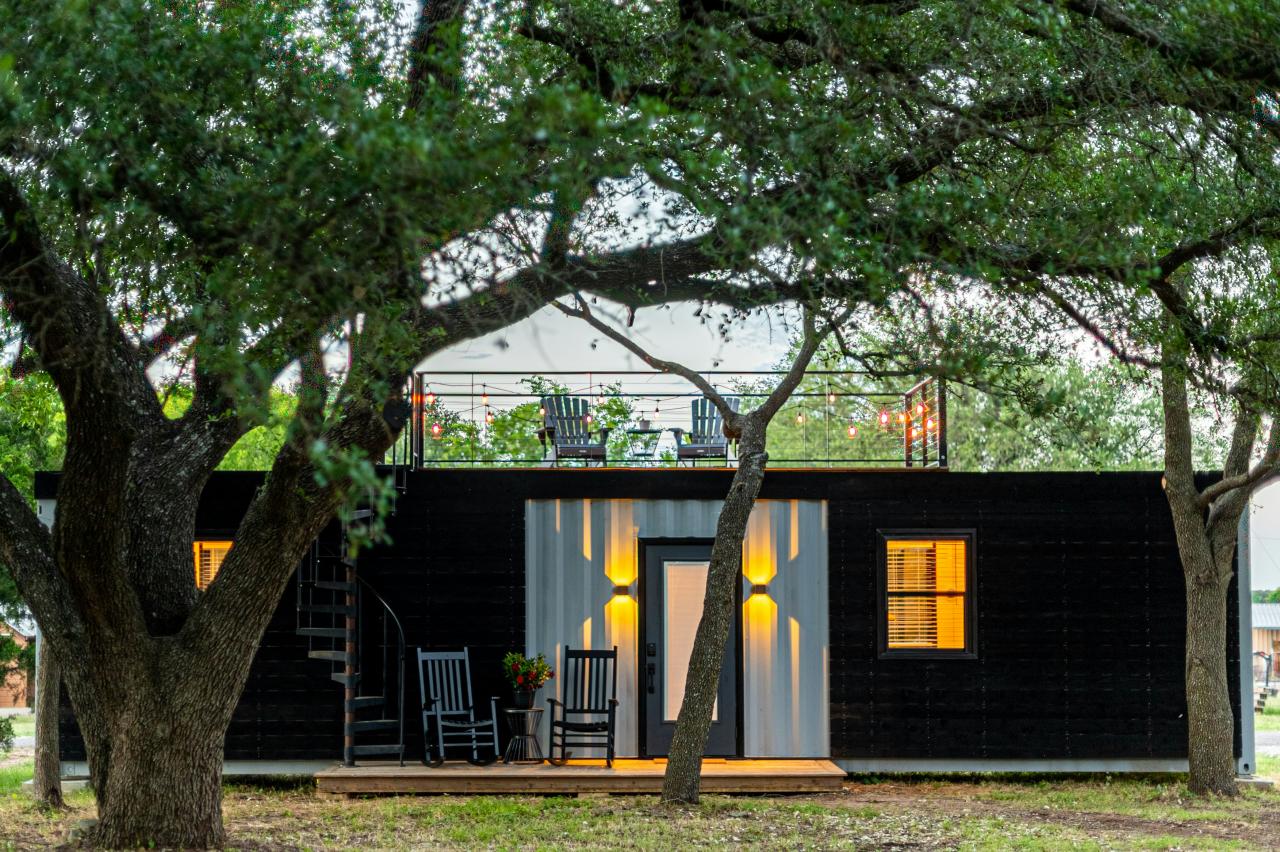
The concept of luxury living has undergone a massive transformation as creative architects turn industrial shipping containers into sophisticated, high-end residences. For many decades, people viewed these steel boxes only as cheap, temporary shelters or basic storage units for global trade.
This traditional model of container housing often lacked proper insulation and featured cramped, dark interiors that felt more like a metal trap than a comfortable home.
However, the emergence of advanced structural engineering and premium interior finishes now offers a revolutionary way to build a masterpiece for a fraction of the traditional cost.
This transition represents a monumental shift from basic upcycling to a prestigious form of architectural art that prioritizes sustainability and durability. We are entering an era where raw industrial aesthetics and ultra-modern amenities serve as the primary foundations for a unique and stylish lifestyle.
This innovation addresses the critical challenge of long construction timelines by allowing builders to assemble the core structure of a mansion in just a few days.
By mastering the art of luxury container design, you can transform a simple steel box into a breathtaking sanctuary that rivals the most expensive traditional estates.
This article explores the most effective and proven strategies to elevate container living while optimizing your home for maximum comfort and world-class elegance.
Engineering Wide-Open Luxury Spaces
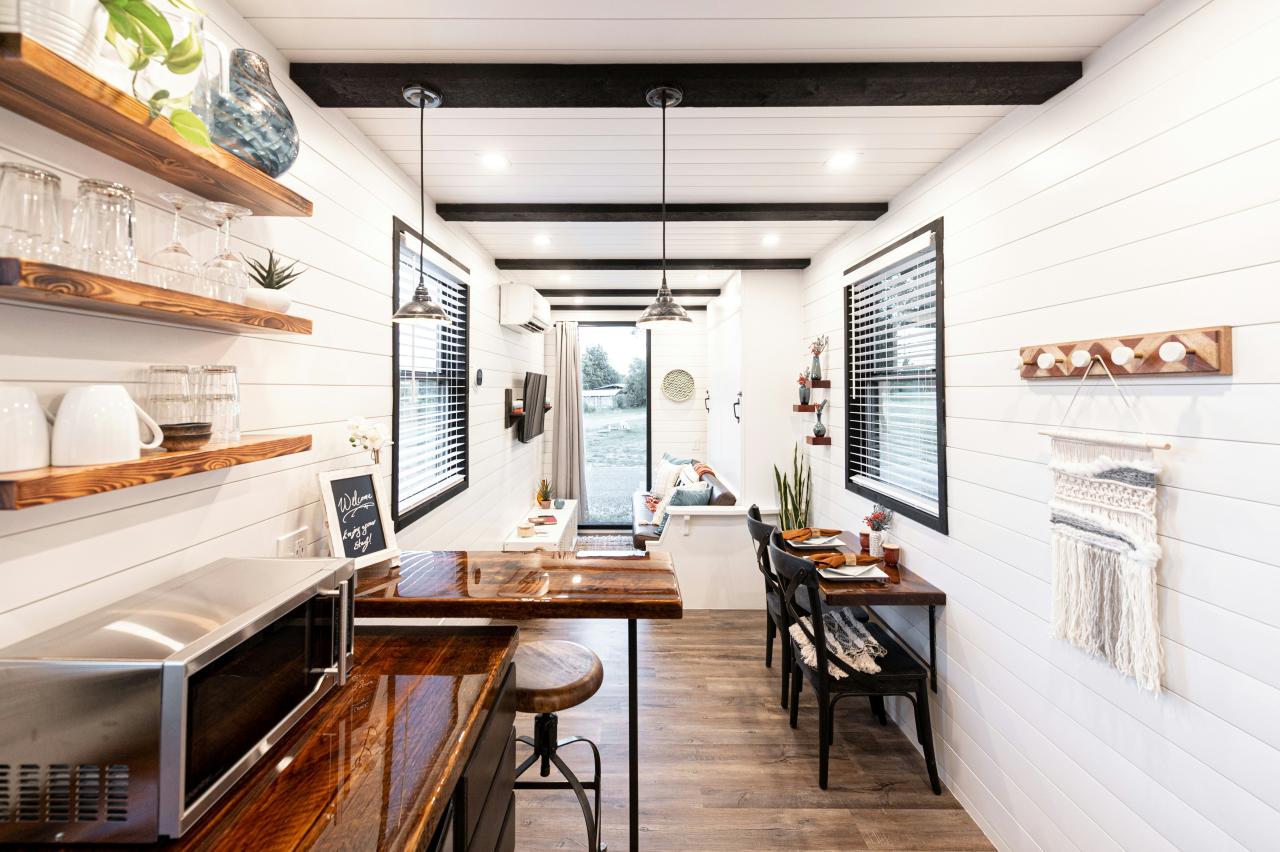
One of the biggest hurdles in container design is the narrow width of a standard unit, which can feel restrictive if you do not plan correctly. Luxury designers solve this by cutting out side walls and joining multiple containers together to create massive, open-concept floor plans with high ceilings.
I believe that “volumetric expansion” is the best way to solve the problem of narrow corridors and small rooms in industrial architecture.
You solve the problem of spatial limitation by stacking units vertically and removing interior floors to create dramatic double-height living areas. This perspective allows you to view the container not as a cage, but as a modular frame that supports endless layout possibilities.
A. Horizontal Integration
Placing two or more containers side-by-side allows you to remove the touching walls to create a wide living room that feels identical to a traditional house. This technique provides the necessary square footage for gourmet kitchens and expansive dining areas that are essential for high-end entertaining.
B. Vertical Stacking and Voids
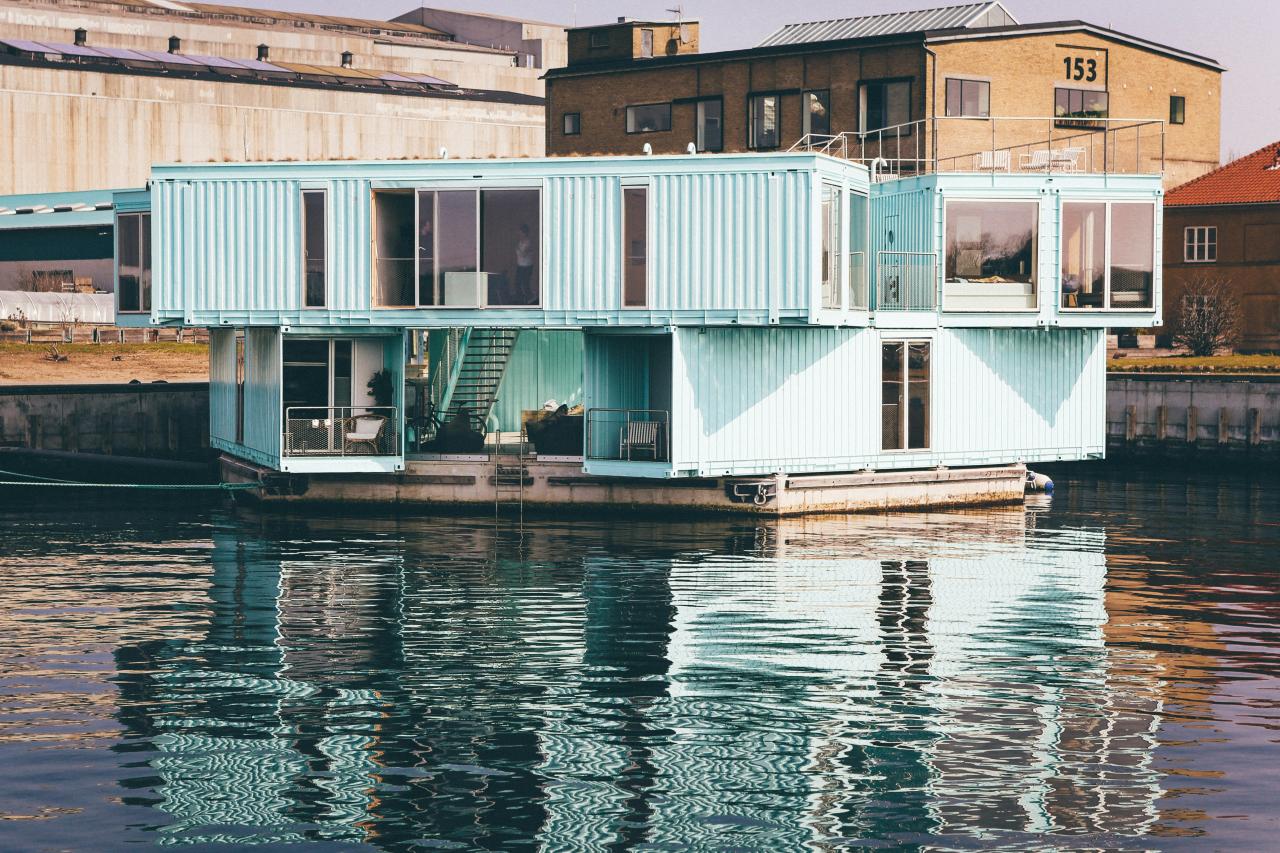
Stacking containers in a staggered pattern creates natural balconies and covered patios without the need for extra structural supports. Leaving a “void” or an open space between stacked units allows for stunning glass bridges and indoor waterfalls that define luxury.
C. Cantilevered Architectural Drama
Steel containers are incredibly strong, which allows architects to overhang the top units far beyond the base without traditional support pillars. This creates a floating effect that adds instant “wow factor” and provides a shaded area for outdoor lounge spaces below.
Premium Insulation and Climate Mastery
A luxury home must feel comfortable regardless of the weather, but raw steel is a terrible insulator that can become an oven in summer or a freezer in winter. High-end container homes utilize advanced closed-cell spray foam or external “rainscreen” insulation systems to maintain a perfect internal temperature.
My new perspective is that “thermal decoupling” is the secret to solving the problem of high energy bills and condensation in metal homes.
You solve the problem of the “tin can” effect by wrapping the exterior in high-performance materials before adding stylish cladding. This perspective ensures your home remains whisper-quiet and thermally efficient while protecting the steel from the elements.
A. Closed-Cell Spray Foam
This material provides the highest R-value per inch and creates a seamless vapor barrier that prevents rust and mold from forming on the inside of the steel. It also adds structural rigidity to the walls, making your home feel solid and well-built rather than hollow.
B. Exterior Cladding Systems
Adding an external layer of insulation covered by wood, stone, or composite panels hides the industrial look and protects the metal from direct sun. This “shield” approach keeps the heat away from the steel entirely, significantly reducing the load on your air conditioning system.
C. Smart Glazing and UV Protection
Luxury container homes often feature massive glass walls, which can lead to heat gain if you do not use the right technology. Installing triple-pane, low-E glass ensures that you get plenty of natural light without the uncomfortable heat, keeping your interior cool and your furniture safe from sun damage.
The Art of High-End Interior Finishing
The true secret to a luxury container home lies in the interior finishes that make you forget you are standing inside a shipping box. Designers use flush-mounted drywall, premium hardwood floors, and custom cabinetry to hide the corrugated metal and create a sleek, modern atmosphere.
I suggest that “material masking” is the ultimate tool for solving the problem of the “industrial basement” feel that plagues cheap container builds.
You solve the problem of cold aesthetics by introducing warm textures like marble, walnut, and velvet throughout the living spaces. This perspective transforms the rugged exterior into a soft, inviting interior that feels like a five-star boutique hotel.
A. Custom Millwork and Hidden Storage
Since every inch counts, luxury designers use bespoke cabinetry that fits the exact dimensions of the container to maximize storage without cluttering the room. Hidden doors and built-in wardrobes create a minimalist look that is a hallmark of high-end modern design.
B. Premium Stone and Tile Work
Using heavy, high-quality materials like quartz countertops and large-format porcelain tiles adds a sense of weight and permanence to the structure. This eliminates the “bouncy” feel that some lightweight modular homes have, making the container feel like a solid, grounded estate.
C. Designer Lighting Layers
Instead of simple overhead lights, luxury homes use recessed spotlights, pendant lamps, and floor-level LED strips to create depth and mood. Proper lighting highlights the architectural lines of the containers while hiding any minor imperfections in the metal.
Integrating Indoor-Outdoor Living
Luxury container homes often sit on beautiful plots of land, and the design should maximize the connection between the interior and the natural surroundings. Large folding glass doors and expansive rooftop decks allow the living space to double in size while providing breath-taking views.
I believe that “seamless boundary dissolution” is the best way to solve the problem of small indoor footprints in modular housing.
You solve the problem of feeling “boxed in” by turning an entire wall into a portal that opens onto a lush garden or a pool deck. This perspective creates a resort-style atmosphere where the fresh air and sunshine become part of your daily living experience.
A. Rooftop Garden Terraces
The flat roof of a container is the perfect foundation for a green roof or a wooden deck featuring a hot tub and lounge area. This utilizes space that is often wasted in traditional homes and provides a private sanctuary with a view of the horizon.
B. Retractable Glass Walls
Replacing the end-doors of a container with high-end folding glass systems allows the entire room to open up to the outside. This is perfect for temperate climates and creates a dramatic entrance that impresses guests the moment they arrive.
C. Integrated Outdoor Kitchens
Extending the container’s steel frame to support an outdoor cooking and dining area creates a cohesive design that encourages al fresco living. Using the same flooring material inside and out makes the transition invisible, tricking the eye into seeing one massive space.
Advanced Smart Home Technology
A modern luxury home is incomplete without a fully integrated smart system that controls lighting, security, and climate from a single interface. Container homes are particularly well-suited for high-tech upgrades because the hollow walls allow for easy wiring during the construction phase.
My new perspective is that “digital infrastructure” is the secret to solving the problem of remote management and home security for luxury properties.
You solve the problem of home maintenance by installing sensors that monitor everything from humidity levels to power consumption automatically. This perspective gives you total control over your environment, ensuring your home is always ready for your arrival.
A. Automated Climate Management
Smart thermostats learn your schedule and adjust the temperature in different “zones” of the container to save energy while maintaining comfort. This is vital for multi-container homes where different units may have different levels of sun exposure.
B. Invisible Audio Systems
In-wall and in-ceiling speakers provide high-fidelity sound throughout the home without taking up any floor space or ruining the minimalist aesthetic. You can stream music to the living room, the bedroom, and the rooftop deck simultaneously for a full-sensory experience.
C. Integrated Security and Surveillance
High-definition cameras and smart locks can be built directly into the container’s steel frame for a clean and secure look. This allows you to monitor your property from anywhere in the world, giving you peace of mind whether you are at home or traveling.
Sustainable Luxury and Energy Independence
Luxury today is about self-sufficiency and reducing your environmental impact without giving up the comforts of a high-end lifestyle. Container homes are naturally sustainable because they upcycle tons of steel, but they can be further improved with solar arrays and rainwater harvesting systems.
I suggest that “regenerative luxury” is the ultimate tool for solving the problem of rising utility costs and environmental guilt.
You solve the problem of resource consumption by designing a home that generates its own power and recycles its own water. This perspective allows you to live a life of abundance while knowing that your home is part of the solution for a greener planet.
A. Solar Glass and Battery Storage
The large roof area of a multi-container home is ideal for high-efficiency solar panels that can power all your luxury appliances. Adding a home battery system ensures that you have a reliable source of clean energy even during grid outages or cloudy days.
B. Rainwater Collection and Filtration
Integrated gutter systems can funnel rain into underground tanks where it is filtered for use in the garden or for flushing toilets. This reduces your dependence on municipal water and ensures your lush landscaping stays green even during dry seasons.
C. Eco-Friendly Material Selection
Using reclaimed wood for decks, non-toxic paints for walls, and sustainable fabrics for furniture enhances the luxury feel while protecting your health. Choosing local artisans and natural materials adds a story and a soul to your home that mass-produced items cannot match.
The Importance of Structural Reinforcement
Whenever you cut a hole in a shipping container for a window or a door, you weaken the integrity of the steel box, which must be addressed by an engineer. Luxury builds use heavy-duty steel framing around every opening to ensure the home remains rock-solid for a lifetime.
My perspective is that “structural fortification” is the secret to solving the problem of shaky walls and ceiling sags in container architecture.
You solve the problem of structural weakness by investing in high-quality welding and reinforcement that exceeds the local building codes. This perspective ensures that your home is not just a temporary trend, but a permanent estate that can withstand the test of time and extreme weather.
A. Steel Tube Framing
Welding thick steel tubes around every large window ensures that the roof does not sag and the walls do not bow under pressure. This reinforcement allows for the massive glass walls that are essential for a luxury aesthetic.
B. Heavy-Duty Foundation Systems
While containers can sit on simple piers, luxury homes often use a full concrete slab or a deep-pile foundation for maximum stability. This prevents the “vibration” often felt in cheaper builds and gives the home a grounded, permanent feel.
C. Anti-Corrosion Coatings
Applying a high-grade marine paint or a ceramic coating to the exterior of the steel prevents rust and maintains the home’s beauty for decades. This is especially important for coastal properties where salt air can be particularly aggressive toward metal structures.
Custom Luxury Lighting and Soundproofing
In a metal house, sound can bounce off the walls, creating an echo that feels cheap and uncomfortable if you don’t use acoustic treatments. Luxury container designs incorporate sound-dampening materials behind the drywall and use soft textiles to create a warm, quiet environment.
I believe that “acoustic softening” is the best way to solve the problem of noise pollution and the “hollow” sound of metal buildings.
You solve the problem of poor acoustics by using thick rugs, heavy curtains, and acoustic wall panels that absorb sound. This perspective makes your home feel cozy and private, allowing for deep conversations and peaceful sleep without outside interruption.
A. Sound-Dampening Drywall
Using specialized layers of acoustic drywall significantly reduces the transmission of noise between rooms and from the outside world. This ensures that the master bedroom remains a silent sanctuary even if someone is watching a movie in the living room.
B. Layered Textile Design
Incorporating soft materials like silk wallpaper, wool carpets, and velvet upholstery helps soak up sound waves and adds a tactile luxury to the space. These materials contrast beautifully with the hard edges of the industrial container frame.
C. Acoustic Ceiling Treatments
Adding wood slats or fabric-covered panels to the ceiling breaks up sound reflections and adds a sophisticated design element to the room. This makes the space feel more “finished” and high-end while improving the overall sound quality for music and conversation.
Conclusion
Luxury homes represent a modern revolution in living, where outdated design rules are replaced by innovative steel tools and smart digital integration to ensure your family’s peak success.
By prioritizing data tracking and automated flow, you can effectively eliminate common housing stresses and high risks while significantly lowering long-term maintenance costs.
Taking immediate action to adopt these luxury smart plans allows you to reclaim your time, grow your personal wealth, and secure a safer future through superior design.
The path to a successful and high-performance lifestyle is clear when you use innovation as your primary tool to fuel growth and ultimate freedom.