


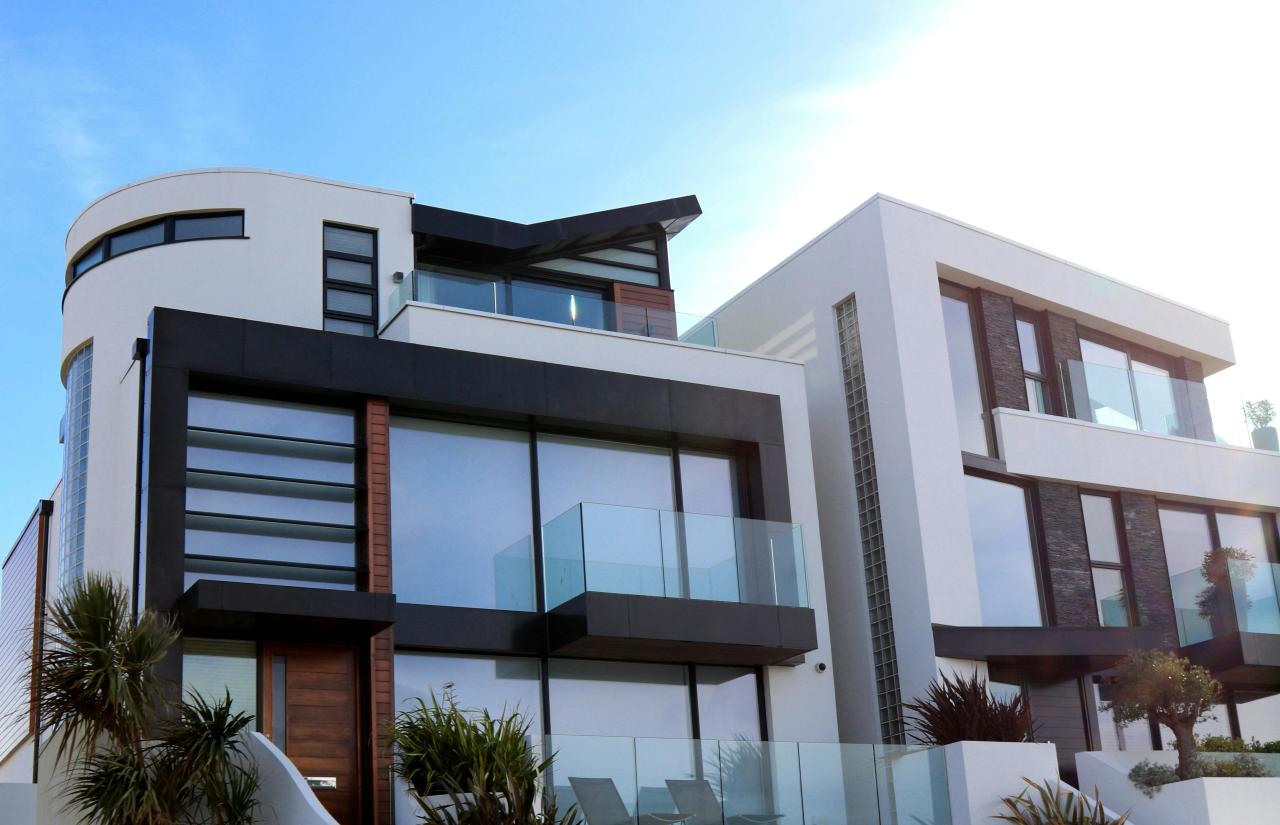
The concept of luxury in modern architecture has shifted from gold-plated fixtures toward a deep, meaningful connection with the natural environment. For many decades, high-end residential projects focused on creating grand, enclosed spaces that often felt isolated from the world outside their walls.
We are now witnessing a transformative era where the most prestigious homes prioritize light, air, and living greenery as the primary design elements. This evolution means that successful architects now blur the boundaries between indoor comfort and the wild beauty of the surrounding landscape.
Modern luxury living focuses on the psychological well-being of the residents by bringing the soothing rhythms of nature into every room. By adopting these nature-integrated strategies, you can create a sanctuary that reduces stress and improves physical health for everyone who enters.
This article explores the essential pillars of biophilic luxury and how you can transform a high-end property into a living masterpiece. You will discover the practical secrets that turn a standard house into a restorative environment that nourishes the human spirit daily.
Let us explore the best path toward a more vibrant and harmonious home through the power of organic design. Success in the world of high-end residential design depends on your ability to balance sophisticated technology with raw, natural materials.
From mastering the use of floor-to-ceiling glass to understanding the benefits of indoor vertical forests, the depth of organic architecture is truly vast. You do not need to live in a forest to build a nature-focused home if you know which design elements offer the most impact.
This guide breaks down complex architectural concepts into easy and actionable tasks that you can discuss with your design team. We will show you how to identify the best materials that offer the highest aesthetic value and the strongest emotional connection to earth.
You will discover why “sensory diversity” is the most important factor when you are creating a truly luxurious and calming living space. The goal is to build a home where your daily life naturally aligns with the movement of the sun and the changing seasons.
Join us as we decode the art of integrated nature design and help you master your journey toward total domestic serenity. Let us explore the best ways to shield your family with beauty while you pursue your biggest and most exciting life goals.
Maximizing Natural Light And Seasonal Rhythms

Natural light serves as the heartbeat of any luxury home designed to integrate with the environment around it. In the past, designers used artificial lighting to brighten rooms, which often disrupted the natural internal clock of the residents living inside.
Now, savvy architects use strategic window placement and skylights to ensure that every corner of the house receives a warm, organic glow.
These designs track the movement of the sun to create different moods throughout the day, from bright mornings to soft, golden afternoons. It is a fundamental shift toward a “circadian” lifestyle where your home helps you feel energized during the day and relaxed at night.
A. Installing large-scale sliding glass doors that completely disappear into the walls to create a seamless flow between your living room and the garden.
B. Using internal courtyards or “atrium” spaces that allow sunlight to reach the center of a deep floor plan without sacrificing your privacy.
C. Selecting high-performance glass coatings that manage heat gain so you can enjoy massive windows without increasing your air conditioning costs.
D. Implementing automated shading systems that adjust themselves based on the sun’s position to prevent glare while maintaining your view of nature.
Many homeowners worry that large glass walls will make their private life feel too exposed to the neighbors or the street. You solve this “privacy hurdle” by using layered landscaping and outdoor “living walls” to create a natural screen that blocks the view without blocking the light.
Think of your windows as living paintings that change every single day based on the weather and the specific time of year. When you let the light in correctly, your home feels significantly larger and more connected to the vast world outside your door.
Incorporating Organic Materials And Earthy Textures
The materials you touch and see every day have a profound impact on your mood and your overall sense of comfort. In the past, luxury was defined by cold, polished surfaces like marble and stainless steel that often felt sterile and uninviting.
Now, the most exclusive homes feature raw wood, textured stone, and hand-applied clay finishes that invite you to reach out and touch them.
These materials bring the “imperfection” of nature into the home, creating a sense of history and groundedness that artificial materials cannot mimic. It is a strategic move to use a palette that reflects the local geology and flora of the specific region where you live.
A. Using reclaimed timber for flooring or ceiling beams to add warmth, character, and a unique story to your modern interior design.
B. Selecting natural stone with deep veining and rough edges for bathroom surfaces to recreate the feeling of a private spa in a mountain stream.
C. Applying lime-based plasters or clay paints to your walls to improve indoor air quality and create a soft, matte finish that breathes.
D. Integrating woven fibers like jute, linen, and wool into your furniture and rugs to add layers of tactile interest and organic comfort.
The challenge with organic materials is that they often require more specialized care than synthetic ones to keep them looking their absolute best. You solve this “maintenance concern” by choosing finishes that age gracefully and actually look better as they develop a natural “patina” over many years.
Think of your home materials as a living skin that responds to the environment and tells the story of your life within its walls. When you surround yourself with earth-born textures, you feel a deep sense of calm and a stronger connection to the natural world.
Creating Indoor Gardens And Living Vertical Walls
Bringing actual plant life into the interior of a luxury home is the ultimate expression of modern biophilic and regenerative design. In the past, people kept a few small potted plants on a windowsill, but now we see entire walls covered in lush, tropical greenery.
These “living walls” act as natural air filters that remove toxins and add much-needed moisture to the dry air of an air-conditioned house.
Advanced irrigation systems allow these gardens to thrive with very little manual effort from the homeowner, making them a practical luxury feature. It is a powerful way to bring the sights, smells, and sounds of a forest directly into your primary bedroom or living area.
A. Designing a “green wall” in your home office to increase your focus and reduce the mental fatigue caused by long hours of digital work.
B. Building an indoor planter box beneath a skylight to grow small trees or large ferns that create a dramatic focal point in your hallway.
C. Selecting a variety of plant species with different leaf shapes and colors to create a rich, biodiverse tapestry of greenery inside your home.
D. Using smart sensors to monitor the soil moisture and light levels of your indoor plants to ensure they stay vibrant and healthy year-round.
Many residents are afraid that indoor gardens will attract insects or create moisture problems that could damage the structure of their expensive home. You solve this “biological fear” by working with specialized landscape architects who use soil-less “hydroponic” systems and proper ventilation to keep the air fresh.
Think of an indoor garden as a living lungs for your home that constantly refreshes the atmosphere and provides a visual escape. When you live among plants, your heart rate slows down and your creative thinking naturally begins to expand and flourish.
Designing Healing Water Features And Soundscapes
The sound and sight of moving water have been used for centuries to create a sense of luxury, peace, and meditation in private estates. In the past, fountains were often grand and noisy, but modern luxury water features are subtle, quiet, and integrated directly into the architecture.
A simple “infinity edge” pool or a slow-dripping stone wall can mask the distracting sounds of the city and replace them with a natural rhythm.
These features act as “acoustic buffers” that turn your property into a silent retreat where you can truly hear your own thoughts. It is a proactive way to manage your sensory environment and protect your home from the stress of the modern urban world.
A. Placing a small reflecting pool near the entrance of your home to signal a transition from the busy world to your private sanctuary.
B. Designing a “zero-entry” swimming pool that mimics the look of a natural lake or a quiet beach at the edge of your patio.
C. Using the sound of falling water to create “white noise” that hides the sound of nearby traffic or neighbors without needing loud music.
D. Integrating underwater lighting and hidden misters to create a magical, misty atmosphere around your water features during the evening hours.
The problem with water features is the potential for high water waste or the annoying sound of a mechanical pump that breaks the peace. You solve this “technical annoyance” by using high-efficiency circulation pumps and rainwater harvesting systems to keep your features running sustainably and silently.
Think of water as a visual and auditory anchor that keeps you feeling cool and refreshed even during the hottest and most stressful months. When you master the element of water, you add a layer of sophistication that very few other design elements can ever achieve.
Conclusion

Biophilic architectural design represents a strategic breakthrough in residential sovereignty, replacing sterile environments with innovative nature-integrated luxury and sustainable material science that ensure your living engine wins today.
By integrating floor-to-ceiling thermal glazing and organic textures like natural stone and timber into your construction flow, you can effectively eliminate the risks of poor indoor air quality and urban noise pollution while benefiting from the increased psychological well-being of natural light exposure.
Taking immediate action to audit your environmental impact and adopting a logic-based mission to incorporate living walls and recirculating water features allows you to reclaim your spatial freedom, grow your aesthetic prosperity, and secure a lasting legacy through a resilient and restorative home sanctuary.
The path to a successful and high-performance lifestyle is clear when you use regenerative design principles and expert craftsmanship as your primary tools to fuel rapid progress and achieve ultimate stability starting today.

