The integration of artificial intelligence into residential architecture has completely redefined our understanding of what a home can be. For many decades, the concept of a smart home was limited to basic remote controls and simple timers that often failed to deliver real convenience.
This traditional model required homeowners to manually program every single device, leading to complicated systems that few people actually used to their full potential. However, the emergence of advanced AI algorithms and machine learning now allows a house to learn the habits and preferences of its occupants automatically.
This transition represents a monumental shift from a reactive living space to a proactive environment that anticipates your needs before you even express them. We are entering an era where neural networks and edge computing serve as the primary foundations for a truly responsive architectural experience.
This innovation addresses the critical challenge of energy waste and home security by providing a centralized digital brain for the entire structure. By mastering AI-integrated design, you can transform your property into a highly efficient and personalized sanctuary that evolves alongside your lifestyle.
This article explores the most effective and proven methods to build an AI-driven home while optimizing comfort, safety, and long-term utility.
Centralizing the Brain of the Modern AI Home

A true AI home requires a centralized processing unit that connects every sensor, light, and appliance into a single unified network. Instead of having ten different apps for ten different devices, an integrated architecture allows the AI to manage everything through a central “operating system.”
I believe that “system unification” is the best way to solve the problem of digital fragmentation that frustrates many tech-savvy homeowners. You solve the problem of complex management by choosing a platform that allows different brands to speak the same language.
This perspective turns your house into a cohesive team of devices rather than a collection of isolated gadgets that cannot work together.
A. Edge Computing Hubs
Local processing ensures that your home functions even if the internet goes out while keeping your personal data inside your four walls. This improves speed and privacy by handling complex decisions on-site rather than sending every command to a distant cloud server.
B. Universal Protocol Compatibility
Using standards like Matter or Thread ensures that your AI can communicate with any device you buy in the future. This flexibility prevents you from being locked into a single ecosystem and allows you to pick the best hardware for every specific task.
C. Neural Network Pattern Recognition
The central brain analyzes data from motion sensors and power meters to understand your daily routines perfectly. Over time, the system learns when you wake up, when you leave for work, and even how you like your coffee in the morning.
Predictive Climate Control and Energy Optimization
AI-integrated architecture excels at managing the internal climate of a home by balancing comfort with extreme energy efficiency. By analyzing weather forecasts and occupancy patterns, the AI can pre-cool or pre-heat specific rooms only when they are about to be used.
My new perspective is that “anticipatory thermal management” is the secret to solving the problem of high utility bills in large, modern houses.
You solve the problem of wasted energy by letting the AI adjust the thermostat based on real-time electricity prices and solar production. This perspective ensures that you never pay for heating an empty room while always coming home to the perfect temperature.
A. Adaptive Zoning Systems
Traditional HVAC systems often waste energy by treating the entire house as one single zone. AI-driven dampers can direct airflow specifically to the rooms where people are gathered, drastically reducing the total workload on your equipment.
B. Solar and Battery Synergy
The AI calculates exactly when to store energy in your home battery and when to sell it back to the grid for maximum profit. This level of financial intelligence turns your home into a micro-power plant that actually pays for itself over time.
C. Humidity and Air Quality Monitoring
Beyond just temperature, AI manages the filtration and moisture levels to ensure the air you breathe is always fresh and healthy. The system can automatically open smart windows or increase ventilation if it detects a rise in CO2 or indoor pollutants.
Enhancing Security through Intelligent Vision Systems
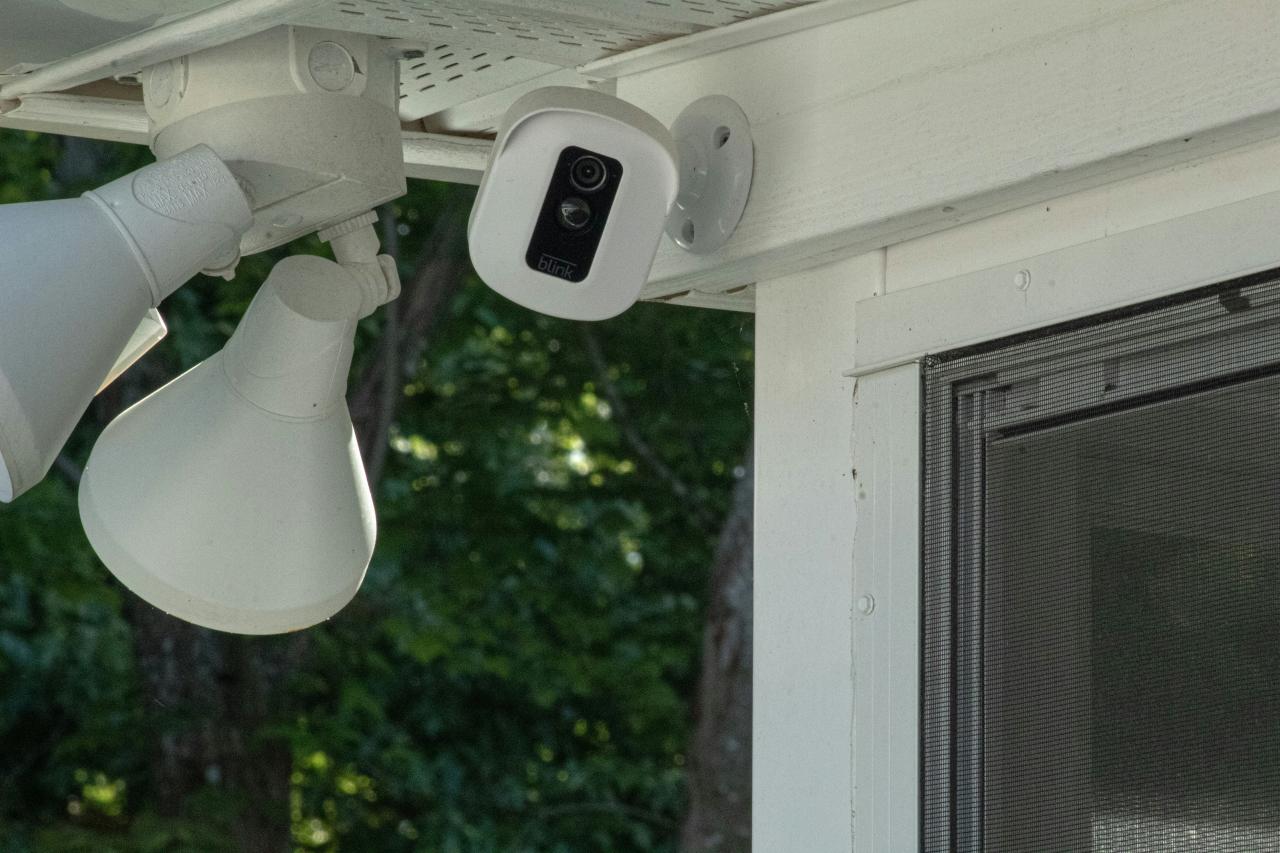
Traditional security cameras are often reactive, only showing you what happened after a break-in has already occurred. AI-integrated security uses computer vision to distinguish between a delivery driver, a neighbor, and a potential intruder in real-time.
I suggest that “proactive perimeter defense” is the ultimate tool for solving the problem of false alarms and slow emergency response times.
You solve the problem of home safety by creating a system that can automatically lock doors and turn on floodlights the moment it detects suspicious behavior. This perspective provides total peace of mind by acting as a digital bodyguard that never sleeps and never gets distracted.
A. Facial and Object Recognition
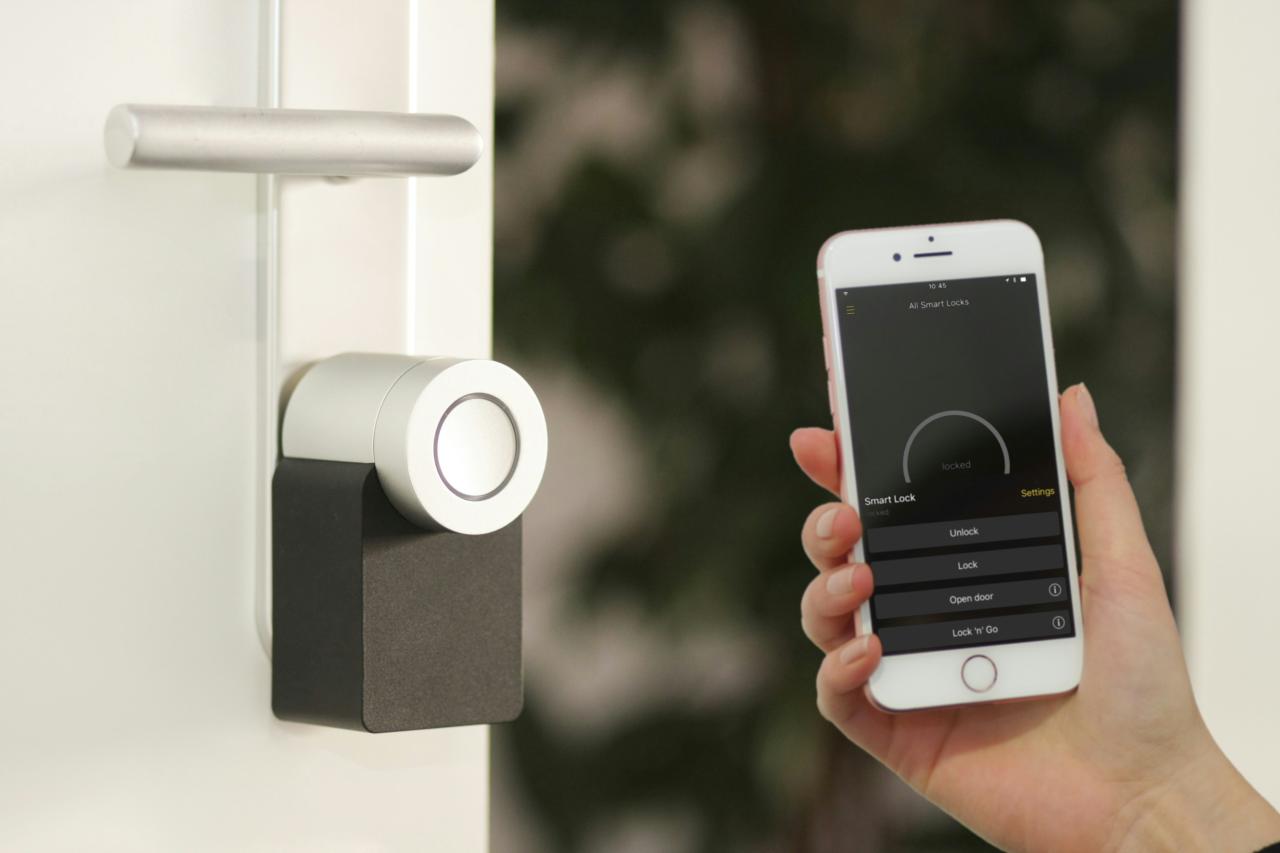
The system can recognize family members and frequent guests, allowing them to enter the home without a physical key. It can also identify specific objects like packages or vehicles, sending you detailed alerts instead of generic motion notifications.
B. Acoustic Glass Break Detection
AI microphones can identify the specific frequency of breaking glass or a forced entry attempt even if no camera is pointed at the window. This adds an invisible layer of protection to every entry point in the house without requiring bulky hardware on every frame.
C. Emergency Service Integration
In the event of a fire or a medical emergency, the AI can instantly call for help and unlock the front door for first responders. It can also flash exterior lights to help the ambulance find your house faster during a dark night.
Lighting Design and Circadian Rhythm Alignment
Light has a profound impact on our mood, sleep quality, and productivity, yet most people use static, artificial lighting all day long. AI-integrated architecture uses tunable LED systems that shift in color and intensity to match the natural cycle of the sun.
My perspective is that “biological lighting synchronization” is the best way to solve the problem of insomnia and low energy levels in the modern workforce.
You solve the problem of a disrupted internal clock by simulating a natural sunset in the evening to prepare your body for deep rest. This perspective treats your home’s lighting as a vital health tool rather than just a way to see in the dark.
A. Dynamic Color Temperature Shifting
The AI moves the lights from a bright, cool blue in the morning to a warm, soft amber in the evening. This transition supports your body’s natural melatonin production, making it much easier to fall asleep and stay asleep throughout the night.
B. Automated Shading and Daylight Harvesting
Smart blinds work in tandem with the lights to maximize the use of free, natural sunlight while preventing glare on your screens. If the sun provides enough light, the AI dims the interior LEDs to save energy and maintain a consistent brightness.
C. Task-Specific Lighting Modes
Whether you are cooking, reading, or watching a movie, the AI can instantly adjust every light in the room to the perfect setting. You can trigger these “scenes” with a simple voice command or let the house decide based on what you are doing.
AI-Driven Maintenance and Structural Health
One of the most innovative aspects of modern smart architecture is the ability of the house to monitor its own structural health. Sensors hidden within the walls and plumbing can detect tiny leaks or electrical faults long before they become expensive catastrophes.
I believe that “predictive home maintenance” is the secret to solving the problem of surprise repair bills and structural water damage.
You solve the problem of building decay by letting the AI schedule a plumber the moment it notices a drop in water pressure or a damp spot in the basement. This perspective ensures that your home remains in peak condition for decades with minimal manual inspection required.
A. Smart Leak Detection and Shutoff
If a pipe bursts while you are on vacation, the AI can automatically shut off the main water valve in seconds. This quick action can save you thousands of dollars in flooring and drywall repairs that would otherwise be unavoidable.
B. Electrical Grid Monitoring
The system tracks the health of your wiring and can identify “phantom loads” or appliances that are about to fail. This reduces the risk of electrical fires and ensures that your home’s energy consumption remains as lean as possible.
C. Filter and Consumable Tracking
The AI keeps track of when your air filters, water purifiers, and even smoke detector batteries need to be changed. It can even order the replacement parts for you, ensuring that your home’s life-support systems are always running at 100%.
The Evolution of Voice and Gesture Control
Moving beyond physical buttons, the AI home of today uses natural language processing and gesture recognition to understand your commands. You can simply talk to your house as if it were a person, asking it to dim the lights or start the oven while your hands are full.
My new perspective is that “invisible interfaces” are the ultimate tool for solving the problem of complicated smart home menus and cluttered walls.
You solve the problem of technical frustration by making the technology disappear into the background of your daily life. This perspective creates a magical living experience where the house responds to your presence and voice without you ever touching a screen.
A. Natural Language Processing (NLP)
Advanced AI can understand complex requests like “make the living room cozy for a movie” instead of requiring specific robotic commands. It can also distinguish between different family members’ voices to provide personalized responses and music playlists.
B. Haptic and Gesture Interaction
Simple hand movements in the air can control the volume of your music or the brightness of a lamp. This is particularly useful in the kitchen or bathroom where you might have wet or dirty hands and don’t want to touch any surfaces.
C. Contextual Awareness Algorithms
The AI uses the context of your location and the time of day to guess what you want before you even ask. If you walk into the kitchen at 7 AM, the house knows to turn on the coffee machine and read you the morning news automatically.
Integrating AI with Kitchen and Laundry Robotics
The kitchen is the heart of the home, and AI is now taking over the most tedious tasks like inventory management and meal planning. Smart fridges can track expiration dates and suggest recipes based on what you already have in your pantry.
I suggest that “automated domestic logistics” is the secret to solving the problem of food waste and the daily stress of deciding what to cook for dinner.
You solve the problem of household chores by using AI-driven appliances that know exactly how to wash your clothes or bake your bread perfectly every time. This perspective gives you back hours of your life every week by automating the “boring” parts of home management.
A. Inventory Tracking and Auto-Restock
Internal cameras in your pantry and fridge allow the AI to build a shopping list for you automatically. It can even place an order with your local grocery delivery service so that you never run out of milk or eggs again.
B. Precision Robotic Cooking
AI-powered ovens use internal sensors to monitor the moisture and temperature of your food, ensuring it never gets overcooked. This technology allows even a beginner cook to produce professional-quality meals with total confidence.
C. Smart Fabric Care Systems
Modern washers use AI to detect the weight and fabric type of your laundry, selecting the perfect amount of water and detergent. This extends the life of your clothes and reduces the environmental impact of every wash cycle.
Conclusion

Smart homes are good. You must act fast. The market is ready. Good plans help you. You solve your work. Your house wins today. Old tech rules fail. New AI tools win. You save your cash. Data tracking is key. Safe saves build life. You grow your wealth. Digital flow is strong. Innovation is a win. Your family stays safe.
Every choice is good. The best time starts. You make the move. Support your success now. Stay curious about tech. Read new tips daily. The journey starts here. You find your freedom. Digital stress dies soon. High risk is gone. Low costs are here. You breathe very easy. Start your new plan.
Test the tools today. Ask for a deal. Your future is bright. You own your time. Software is your tool. Do not wait long. The market is ready. You are the boss. Wealth starts with action. Keep your eyes open. The path is clear. Small steps lead far.
Big wins come soon. You reach the goal. A clean slate arrives. Believe in your power. You can do it. Efficiency fuels your growth. Automation is your edge. Success comes to you. Better tools mean more. Invest in your team. Scale your vision fast.