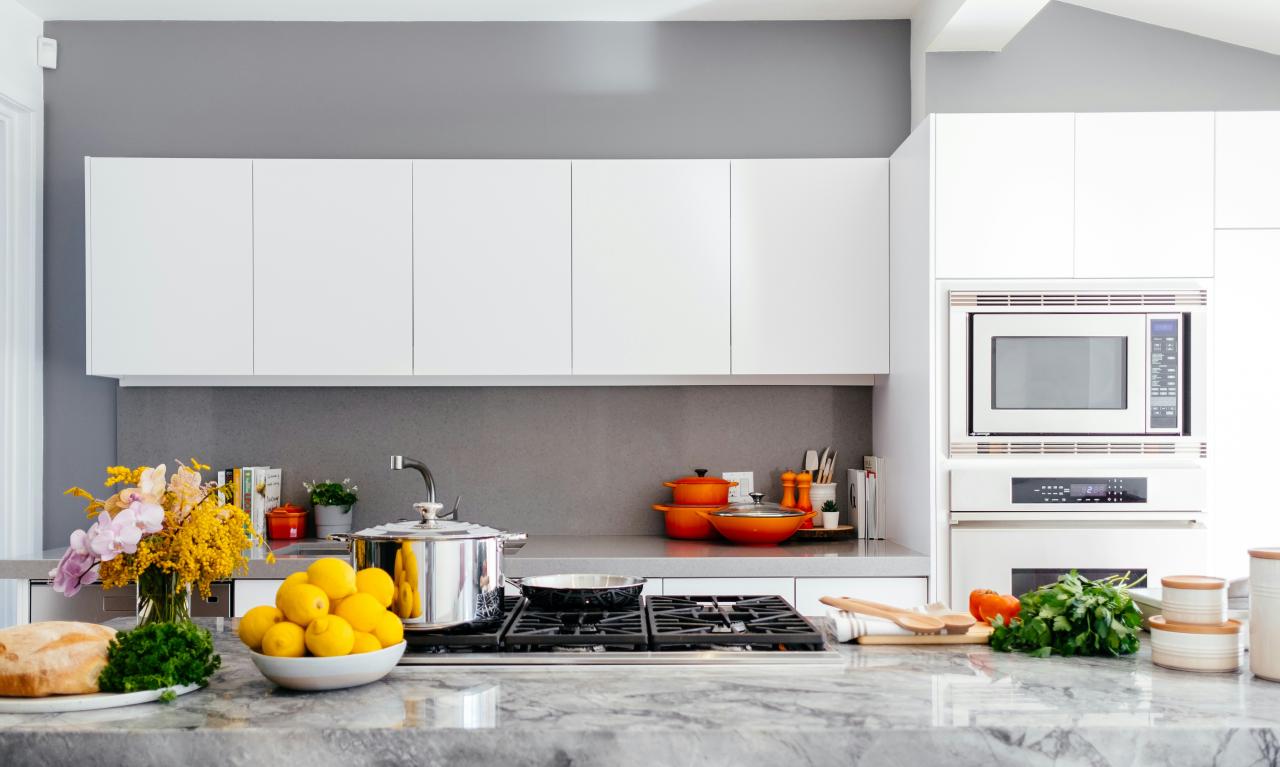
The kitchen has officially evolved from a simple place for meal preparation into the high-tech command center of the modern sustainable home. For many decades, families viewed kitchen appliances as static tools that required constant manual operation and frequent physical monitoring to achieve decent results.
This traditional model of cooking often led to significant food waste, inconsistent meal quality, and a lack of integration with the rest of the household. However, the emergence of artificial intelligence and advanced robotics is now turning the kitchen into a proactive environment that thinks for itself.
This transition represents a monumental shift from a room full of disconnected gadgets to a unified ecosystem that manages nutrition, energy, and inventory simultaneously. We are entering an era where precision sensors and automated logistics serve as the primary foundations for an effortless culinary lifestyle.
This innovation addresses the critical challenge of busy modern schedules by automating the most time-consuming aspects of grocery shopping and food preparation.
By mastering the latest smart kitchen technologies, you can transform your cooking space into a highly efficient hub that saves you both time and money every single day.
This article explores the most effective and proven advancements in kitchen technology while optimizing your understanding of how to build a futuristic cooking environment.
Centralizing Kitchen Intelligence with AI Hubs

A truly smart kitchen requires a central digital brain that connects your fridge, oven, and dishwasher into one seamless network of information. Instead of checking three different screens, a centralized hub allows you to monitor your entire kitchen through a single voice command or a sleek wall-mounted panel.
I believe that “ecosystem unity” is the best way to solve the problem of digital clutter and the frustration of using too many incompatible apps.
You solve the problem of kitchen management by choosing appliances that follow the latest universal connectivity standards for instant communication. This perspective turns your kitchen into a smart assistant that understands your dietary goals and suggests the best meals based on what you have.
A. Voice Activated Command Centers
Integrated speakers and microphones allow you to control everything in your kitchen without ever touching a screen with messy hands. You can set timers, look up recipes, and dim the lights using only your voice while you focus on the cooking process.
B. Predictive Inventory Management
Internal cameras in your refrigerator and pantry track your food levels and automatically create a shopping list when you run low on essentials. This system reduces the risk of buying duplicate items and ensures that you always have fresh ingredients ready for your next healthy meal.
C. Smart Energy Grid Integration
Your kitchen hub can schedule high-energy tasks, like running the dishwasher, for times when electricity prices are at their lowest point during the day. This proactive energy management significantly lowers your monthly utility bills while reducing the carbon footprint of your entire household.
The Rise of Robotic Culinary Assistants
Robotics is moving from industrial factories directly into our home kitchens to handle the most repetitive and dangerous tasks involved in cooking. Modern robotic arms and automated stirrers can now chop vegetables, flip pancakes, and even plate a gourmet meal with professional-level precision.
My new perspective is that “mechanical precision” is the secret to solving the problem of inconsistent cooking results and the physical fatigue of hosting large dinner parties.
You solve the problem of time poverty by letting a robot handle the prep work so you can spend more time enjoying your guests. This perspective treats robotics as a high-end sous-chef that works for you twenty-four hours a day without ever needing a break.
A. Precision Chopping and Slicing
Automated cutting systems use laser guidance to ensure that every vegetable is sliced to the exact thickness required for a perfectly even cook. This level of accuracy improves the texture of your food and prevents the accidental finger cuts that often happen during fast-paced cooking.
B. Automated Stirring and Flipping
Smart pans and robotic arms can monitor the temperature of your food and stir it at the perfect frequency to prevent burning or sticking. This technology allows you to walk away from the stove and handle other tasks while your meal cooks itself to perfection.
C. Self-Cleaning Surface Technology
Future kitchen surfaces use hydrophobic coatings and UV light to automatically sanitize themselves after you finish preparing raw meat or fish. This innovation solves the problem of cross-contamination and ensures that your kitchen remains a safe and healthy environment for your family.
Mastering the Art of Precision Induction Cooking
Induction technology uses electromagnetic fields to heat your pans directly, leaving the rest of the cooktop cool to the touch and perfectly safe. This method is twice as fast as gas and offers a level of temperature control that was previously only available to professional chefs in world-class restaurants.
I suggest that “thermal directness” is the ultimate tool for solving the problem of kitchen overheating and the high risk of accidental fires.
You solve the problem of energy waste by using a cooktop that only turns on when a pan is present and shuts off the moment it is removed. This perspective creates a safer, cooler, and much more responsive cooking experience for everyone from beginners to expert cooks.
A. Instant Temperature Adjustments
Induction allows you to go from a rolling boil to a gentle simmer in a matter of seconds, providing unmatched control over delicate sauces. This responsiveness prevents overcooking and allows you to execute complex recipes with much higher confidence and success.
B. Integrated Surface Sensors
Modern induction hobs can communicate directly with your pans to monitor the internal temperature of the food and adjust the power levels automatically. This “closed-loop” cooking ensures that your steak is always medium-rare and your chocolate never burns during the melting process.
C. Minimalist Hidden Cooktops
Invisible induction systems can be installed directly underneath your stone or porcelain countertops, making the technology completely disappear when not in use. This creates a sleek, seamless look that allows your kitchen island to function as a workspace, a dining table, and a stove.
Advanced Food Preservation with Smart Refrigeration
The refrigerators of the future are moving far beyond simple cooling to become active preservation chambers that use light and humidity to extend food life. By simulating the natural cycle of the sun inside the crisper drawer, these units can keep vegetables fresh and full of vitamins for weeks instead of days.
I believe that “biological preservation” is the best way to solve the problem of the massive global food waste that currently happens in residential kitchens. You solve the problem of rotting produce by using a fridge that monitors ethylene gas levels and adjusts the airflow to slow down the ripening process.
This perspective turns your refrigerator into a high-tech pantry that protects your investment in healthy, organic ingredients.
A. Vitamin-Preserving Light Technology
Specialized LED lights inside the fridge mimic the natural solar cycle, allowing fruits and vegetables to continue their photosynthesis process after they are harvested. This keeps the nutrients intact and ensures that your food remains as healthy as the day you bought it.
B. Dual-Zone Humidity Control
Smart fridges feature separate cooling systems for the freezer and the fresh food sections to prevent dry air from wilting your leafy greens. This precise control over moisture levels ensures that everything from fish to berries stays at its optimal peak of freshness.
C. Ozone and Air Filtration
Internal air scrubbers remove bacteria and odors from the fridge, preventing cross-contamination and keeping the interior smelling fresh and clean. This technology is essential for maintaining the highest standards of food safety and hygiene in a busy family kitchen.
Intelligent Ovens with Computer Vision
Future ovens are equipped with high-resolution internal cameras and AI software that can identify exactly what you are cooking the moment you put it inside. The oven then automatically selects the perfect time and temperature settings based on the weight and type of food to ensure the best results.
My new perspective is that “visual recognition” is the secret to solving the problem of the “trial and error” cooking that often leads to dry poultry or burnt cakes.
You solve the problem of technical cooking errors by letting the oven monitor the browning levels of your food in real-time. This perspective allows you to put your dinner in the oven and walk away, knowing the AI will turn it off perfectly every time.
A. Real-Time Browning Monitoring
Sensors analyze the color and texture of your food as it cooks, sending a notification to your phone the exact second your pizza reaches the perfect crispness. This prevents the need to constantly open the door and lose heat while checking on your progress.
B. Steam and Convection Synergy
Smart ovens combine the power of steam with traditional convection heat to create juicy interiors and perfectly crispy exteriors for breads and meats. This professional technique is now automated, allowing you to achieve bakery-quality results in your own home kitchen.
C. Remote Pre-Heating and Control
You can start your oven from your smartphone while you are still at the office or at the grocery store, ensuring it is ready when you arrive. This convenience saves you valuable time during the evening rush and helps you get dinner on the table much faster.
The Role of Smart Water and Waste Management
Managing water usage and recycling food waste has become a primary focus for modern smart kitchens looking to reduce their environmental impact. Smart faucets can measure out the exact amount of water needed for a recipe, while high-tech composters can turn food scraps into fertilizer in a few hours.
I suggest that “circular waste processing” is the ultimate tool for solving the problem of smelly trash bins and the high water usage of traditional kitchens. You solve the problem of sustainability by using technology that turns your waste into a resource for your garden or indoor plants.
This perspective makes your kitchen a net-positive contributor to your local environment while keeping your home smelling fresh.
A. Voice-Controlled Measured Faucets
You can ask your sink to pour exactly two cups of water for your pasta, removing the need for measuring cups and reducing water waste. These touchless systems also improve hygiene by preventing the spread of germs from raw ingredients to the faucet handle.
B. Electric Countertop Composters
These compact devices use heat and grinding to turn food waste into dry, nutrient-rich soil in a single afternoon without any bad smells. This reduces the amount of organic waste sent to landfills and provides you with free fertilizer for your indoor herbs.
C. Smart Leak Detection Systems
Sensors located under the sink can detect a tiny leak and shut off the water supply instantly before it causes any structural damage. This proactive monitoring saves you thousands of dollars in potential repairs and provides total peace of mind when you are away.
Conclusion
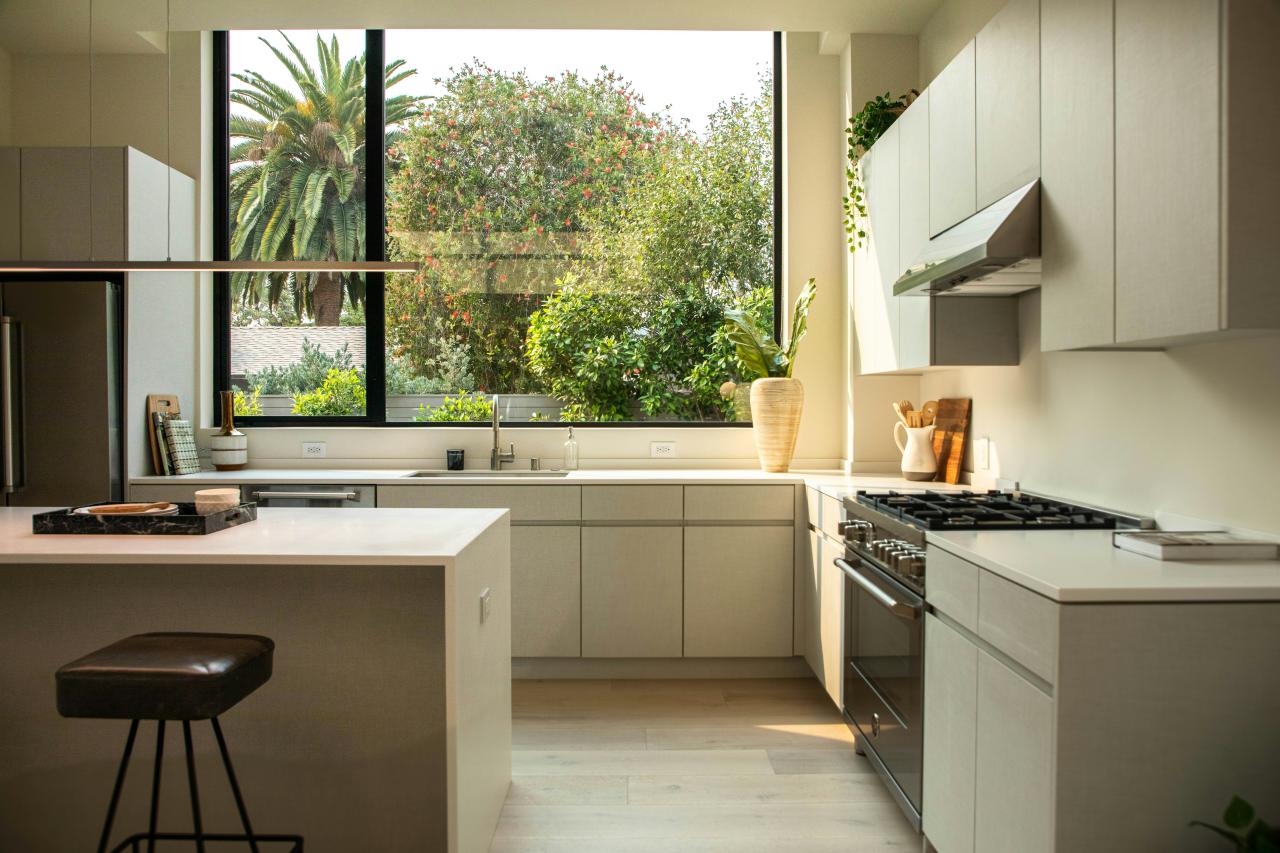
Smart kitchens represent a modern revolution that transforms your daily routine by replacing outdated methods with efficient digital tools and automated systems.
Integrating food tracking and smart software allows you to manage resources effectively while significantly reducing cooking stress and unnecessary operational costs.
Taking immediate action to adopt these innovations secures your family’s future and empowers you to reclaim your time and grow your overall wealth.
The path to success is clear because every small step toward automation leads to a more productive and high-performance lifestyle starting right now.