The integration of advanced technology into modern interior design has shifted from flashy gadgets to completely hidden systems. For many decades, homeowners showcased their latest electronics as status symbols, cluttering their living rooms with bulky speakers and tangled wires.
This traditional model of home design often created a visual conflict between the beauty of the architecture and the utility of the devices. However, the emergence of invisible technology offers a revolutionary way to enjoy a high-tech lifestyle without compromising on aesthetic purity.
This transition represents a monumental shift from a room full of disconnected hardware to a unified environment where the technology exists within the surfaces. We are entering an era where haptic sensors, hidden speakers, and transparent displays serve as the primary foundations for a minimalist and functional home.
This innovation addresses the critical challenge of visual clutter by allowing the functional elements of a house to disappear when they are not in use. By mastering the art of invisible integration, you can transform your property into a seamless sanctuary that feels both natural and incredibly intelligent.
This article explores the most effective and proven strategies to implement hidden technology while maintaining the highest standards of luxury interior design.
The Magic of Invisible Audio Systems
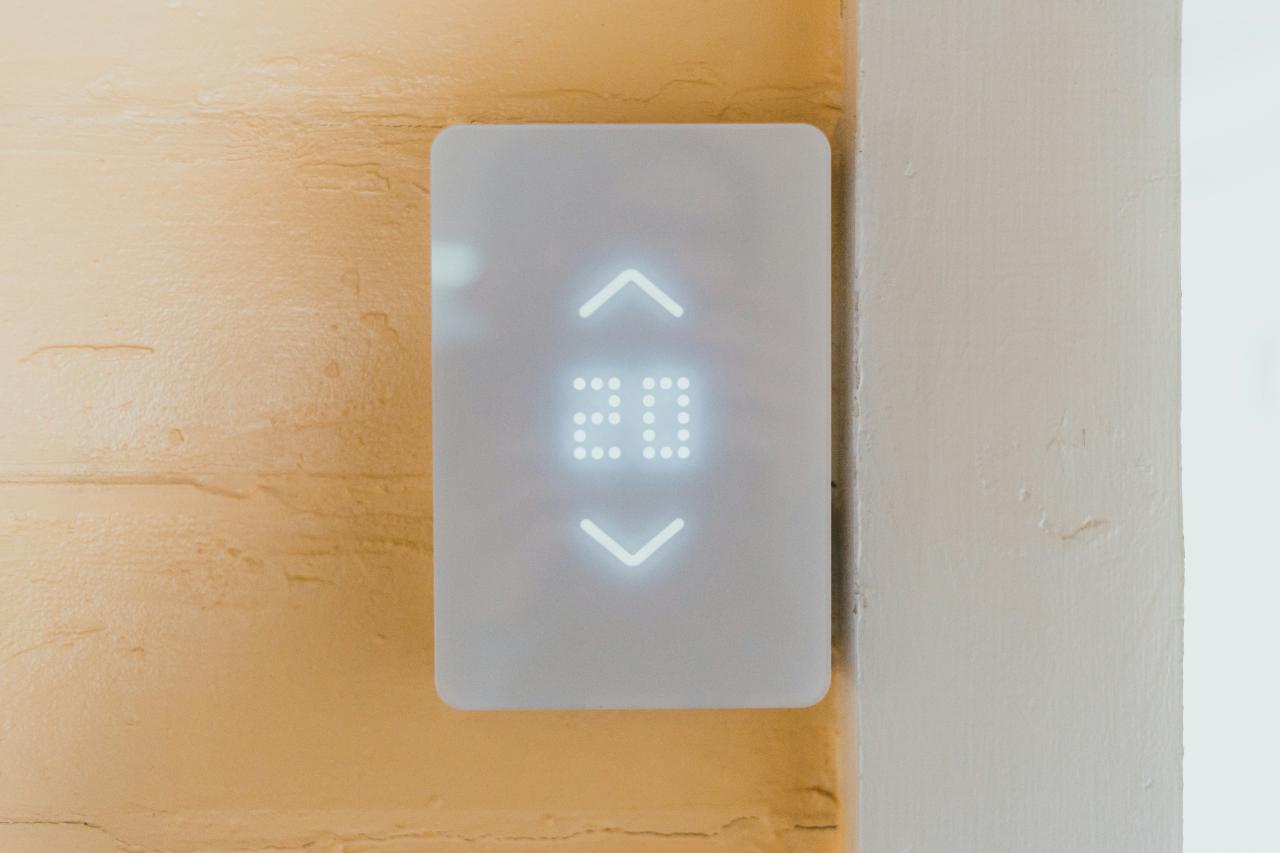
High-fidelity sound no longer requires massive floor-standing speakers or visible ceiling grilles that disrupt a clean plaster finish. Modern invisible speakers use specialized transducers that attach to the back of your drywall, turning the entire wall surface into a vibrating acoustic panel.
I believe that “structural acoustics” is the best way to solve the problem of audio equipment clashing with expensive wallpaper or minimalist paint jobs.
You solve the problem of visual noise by installing speakers that are completely covered by plaster, paint, or even wood veneer. This perspective allows the music to fill the room from an unknown source, creating a truly immersive and magical atmosphere for your guests.
A. Wall Vibrating Transducers
These devices replace traditional speaker cones by vibrating the surface of the wall itself to produce rich, full-range sound. Because the source is hidden, you can place them exactly where they are needed for the best audio coverage without worrying about how they look.
B. Subwoofers Hidden in Cabinetry
Low-frequency bass units can be tucked away inside custom furniture or under the floorboards with small, discrete ports for the air to move. This ensures you feel the deep punch of a movie soundtrack without seeing a bulky black box in the corner of the room.
C. Sonic Calibration and DSP
Digital Signal Processing (DSP) allows engineers to tune the hidden speakers to account for the thickness of the plaster or paint covering them. This technology ensures that the sound remains crisp and clear, delivering professional-grade performance through solid materials.
Transparent Displays and Hidden Television Solutions
A large black television screen often acts as a massive “black hole” in the middle of a beautifully designed living room wall. Invisible tech solves this by using transparent OLED panels that look like a simple sheet of glass when turned off.
My new perspective is that “visual transparency” is the secret to solving the problem of a room’s focal point being dominated by a dormant screen. You solve the problem of aesthetic disruption by hiding your television behind a motorized piece of art or a specialized mirror.
This perspective ensures that the technology only appears when you actually want to watch something, leaving the room beautiful at all other times.
A. Smart Mirror Television Kits
When the TV is off, you see a high-quality mirror that adds depth and light to your room, but when it is on, the screen shines through clearly. This is a perfect solution for master bathrooms or vanity areas where you want to watch the news while getting ready in the morning.
B. Motorized Art and Panel Lifts
You can hide a large screen behind a sliding canvas or inside a piece of custom furniture that lifts the TV into view at the touch of a button. This mechanical approach protects the screen from dust and keeps it completely out of sight during formal social gatherings.
C. Ultra-Short Throw Projectors
These high-tech projectors sit just inches away from the wall and can be hidden inside a sleek sideboard or a recessed floor compartment. They project a massive, bright image onto a specialized screen that rolls up into the ceiling when the movie is over.
Invisible Charging and Power Management
Cables and charging pads are the most common sources of clutter on kitchen counters and bedside tables in the modern home. Invisible tech allows you to install wireless charging coils directly underneath your stone, wood, or glass countertops.
I suggest that “induction surface integration” is the ultimate tool for solving the problem of “cable spaghetti” and the constant search for a charging brick.
You solve the problem of messy surfaces by simply placing your phone or tablet on a specific spot on your desk to start the power flow. This perspective creates a clean, organized workspace that feels like it belongs in the future rather than in a warehouse of electronics.
A. Under-Surface Wireless Chargers
These powerful induction coils can push power through up to 50mm of solid material, allowing them to remain completely hidden from view. You can mark the charging spot with a small etched logo or keep it entirely secret for a truly minimalist look.
B. Pop-Up Kitchen Power Outlets
Recessed power strips can be built into your island countertop, sitting flush with the surface until you press down to reveal multiple outlets and USB ports. This prevents the need for ugly wall sockets that break up the pattern of your expensive backsplash tiles.
C. Integrated Furniture Power Ports
Modern sofas and bed frames now include hidden USB ports tucked into the seams of the upholstery or under the armrests. This allows you to charge your devices while you relax without having to stretch a long cable across the floor.
Haptic Controls and Secret Touch Surfaces
Traditional plastic light switches can look cheap and dated when placed next to high-end architectural finishes like marble or reclaimed timber. Haptic technology allows you to turn the very materials of your home into touch-sensitive controls for your lights, music, and blinds.
My perspective is that “material interactivity” is the secret to solving the problem of wall clutter and the complexity of modern smart home interfaces.
You solve the problem of technical frustration by allowing a simple tap on a wooden table or a stone wall to trigger a lighting scene. This perspective makes your home feel more intuitive and natural, as the controls are integrated into the objects you already touch.
A. Capacitive Touch Wood Panels
By embedding sensors behind thin wood veneers, you can create a control panel that is completely invisible until your hand gets close. Small LED lights can shine through the wood to show you where to touch, then disappear once you are finished.
B. In-Wall Haptic Feedback
Tapping a specific spot on a plaster wall can trigger a subtle vibration to let you know the house has received your command. This tactile response makes the interaction feel solid and reliable, even though you are touching a seemingly plain wall.
C. Gestural Surface Controls
Sophisticated sensors can detect the movement of your hand above a surface, allowing you to dim the lights or skip a song with a simple wave. This “air-touch” technology keeps your surfaces clean and fingerprint-free while providing a futuristic user experience.
Hidden HVAC and Air Quality Systems
Bulky air conditioning units and industrial-looking vents often ruin the clean lines of a sophisticated ceiling or wall design. Invisible climate tech uses high-velocity small-duct systems and “shadow-gap” vents that are tucked into the corners of the room.
I believe that “ventilation concealment” is the best way to solve the problem of noisy, ugly air vents that catch dust and distract the eye.
You solve the problem of indoor comfort by distributing air through tiny, discrete openings that are almost impossible to see from a distance. This perspective ensures that you stay perfectly cool or warm without ever seeing the mechanical systems that make it possible.
A. Shadow-Gap Linear Diffusers
These vents are integrated into the gap between the wall and the ceiling, looking more like an architectural detail than a piece of mechanical equipment. They provide a smooth, silent flow of air that eliminates the drafts and noise associated with traditional grilles.
B. Hidden Air Purification Units
Professional-grade HEPA filters and UV sanitizers can be installed directly into your ductwork or hidden inside custom cabinetry. This ensures that the air in your home is cleaner than a hospital operating room without any bulky portable purifiers sitting on the floor.
C. Radiant Wall and Ceiling Heating
Instead of radiators or floor vents, you can install thin heating mats directly behind your plaster or under your wall tiles. This provides a gentle, even warmth that radiates from the surfaces, creating a cozy environment that doesn’t dry out the air.
The Rise of Transparent Smart Glass
Smart glass, or switchable privacy glass, can change from transparent to opaque with a simple electric current, removing the need for traditional curtains. This technology allows you to maintain a clean, architectural look on your windows while still having total control over your privacy.
My new perspective is that “electronic shading” is the secret to solving the problem of heavy, dust-collecting drapes in modern minimalist homes.
You solve the problem of glare and heat gain by letting the glass itself tint based on the angle of the sun. This perspective allows you to enjoy your view for more hours of the day while protecting your interior from UV damage and prying eyes.
A. Liquid Crystal Privacy Control
By sandwiching a layer of liquid crystals between two sheets of glass, you can create a window that turns frosted in less than a second. This is the perfect solution for glass-walled bathrooms or street-facing windows where privacy is a constant concern.
B. Electrochromic Solar Tinting
This type of smart glass darkens gradually to block out heat and light while still remaining transparent enough to see through. It works like a pair of transition sunglasses for your home, automatically adjusting to keep your interior cool and comfortable.
C. Integrated Glass Displays
Some advanced smart glass can even function as a computer screen or a digital art gallery when it is in its opaque state. This turns your windows into multifunctional surfaces that can provide information, entertainment, or a beautiful digital view.
Hidden Storage and Robotic Furniture
In small urban apartments, invisible tech can be used to hide entire rooms or functional areas when they are not needed. Robotic furniture systems can move heavy beds, desks, and storage units into the ceiling or behind walls with a single voice command.
I suggest that “spatial transformation” is the ultimate tool for solving the problem of high-density living and the lack of floor space in modern cities.
You solve the problem of a cluttered home by only having the furniture you are currently using visible in the room. This perspective turns your apartment into a dynamic stage that can change from a bedroom to an office to a dining hall in minutes.
A. Ceiling-Mounted Bed Lifts
Instead of taking up half your room, your bed can be stored against the ceiling during the day, revealing a large sofa or a dining area underneath. When it’s time for sleep, the bed lowers silently on motorized cables, providing a rock-solid sleeping surface.
B. Motorized Kitchen Islands
You can hide your stovetop, sink, and prep area under a sliding stone slab that acts as a clean, beautiful table when you are not cooking. This allows your kitchen to blend seamlessly into your living room, making it perfect for hosting social events.
C. Retractable Workspace Cubbies
A full home office, including the desk, chair, and monitors, can be hidden inside a custom wardrobe or behind a sliding wall panel. This helps create a psychological boundary between your work life and your home life, as you literally “hide” your work at the end of the day.
Automated Lighting and Mood Orchestration
The best invisible tech is the kind you never have to think about because it reacts to your presence and behavior automatically. Motion sensors and AI algorithms can adjust your lighting, music, and temperature as you move from room to room.
My perspective is that “presence-aware automation” is the secret to solving the problem of fumbling for switches in the dark or wasting energy on empty rooms.
You solve the problem of home management by letting the house learn your habits and anticipate your needs. This perspective creates a frictionless living experience where the environment always perfectly matches your current state of mind.
A. Recessed Occupancy Sensors
Tiny infrared sensors can be built into your ceiling lights or wall panels to detect your movement without being visible. They ensure that your home is always brightly lit when you are present and completely dark when you are away.
B. Geofencing Integration
Your home can detect when your phone is approaching the property and start the “Welcome Home” scene before you even open the door. This includes turning on the lights, setting the perfect temperature, and playing your favorite relaxing playlist.
C. Circadian Rhythm Automation
The house can automatically adjust the color temperature of your lights throughout the day to support your natural energy levels. This means you get bright, energizing blue light in the morning and soft, relaxing amber light in the evening to help you sleep better.
Conclusion
Invisible homes represent a smart revolution where hidden technology and modern design rules replace outdated concepts to create a seamless living environment.
By integrating digital tools and automation, you effectively eliminate visual stress and high risks while significantly lowering your long-term operational costs.
Taking immediate action to adopt these innovative software solutions empowers you to reclaim your time, grow your wealth, and secure a safe future.
The path to success starts with small steps toward efficiency, allowing you to scale your vision and achieve total freedom in your own home.