The rapid expansion of global urban centers has historically forced a harsh separation between the built environment and the natural world. For many decades, city planners prioritized concrete density and industrial efficiency over the psychological and environmental health of the people living within these gray landscapes.
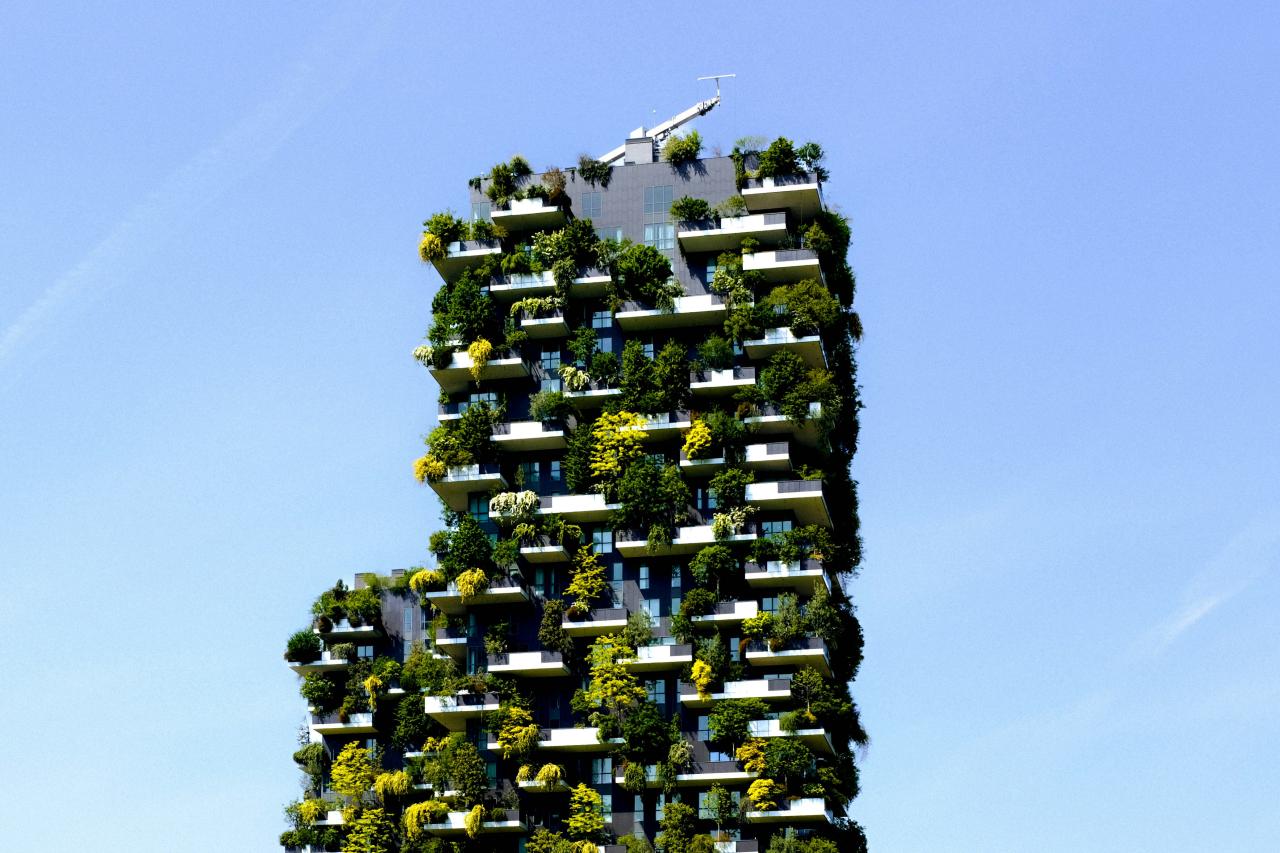
This traditional model of urban planning created “heat islands” where rising temperatures and poor air quality became a dangerous daily reality for millions of residents. However, the emergence of vertical forests represents a revolutionary architectural solution that literally weaves living ecosystems into the fabric of high-rise buildings.
This transition represents a monumental shift from static stone structures to living, breathing skyscrapers that actively regenerate the urban atmosphere. We are entering an era where biological integration and sustainable engineering serve as the primary foundations for the cities of the future.
This innovation addresses the critical challenge of habitat loss by providing birds and insects with high-altitude sanctuaries in the heart of the metropolis. By mastering the art of the vertical forest, architects can transform a simple residential tower into a carbon-gathering powerhouse that produces oxygen and reduces stress.
This article explores the most effective and proven principles of vertical forestry while optimizing your understanding of how nature and modern design can thrive together.
Redefining the Urban Sky with Living Facades
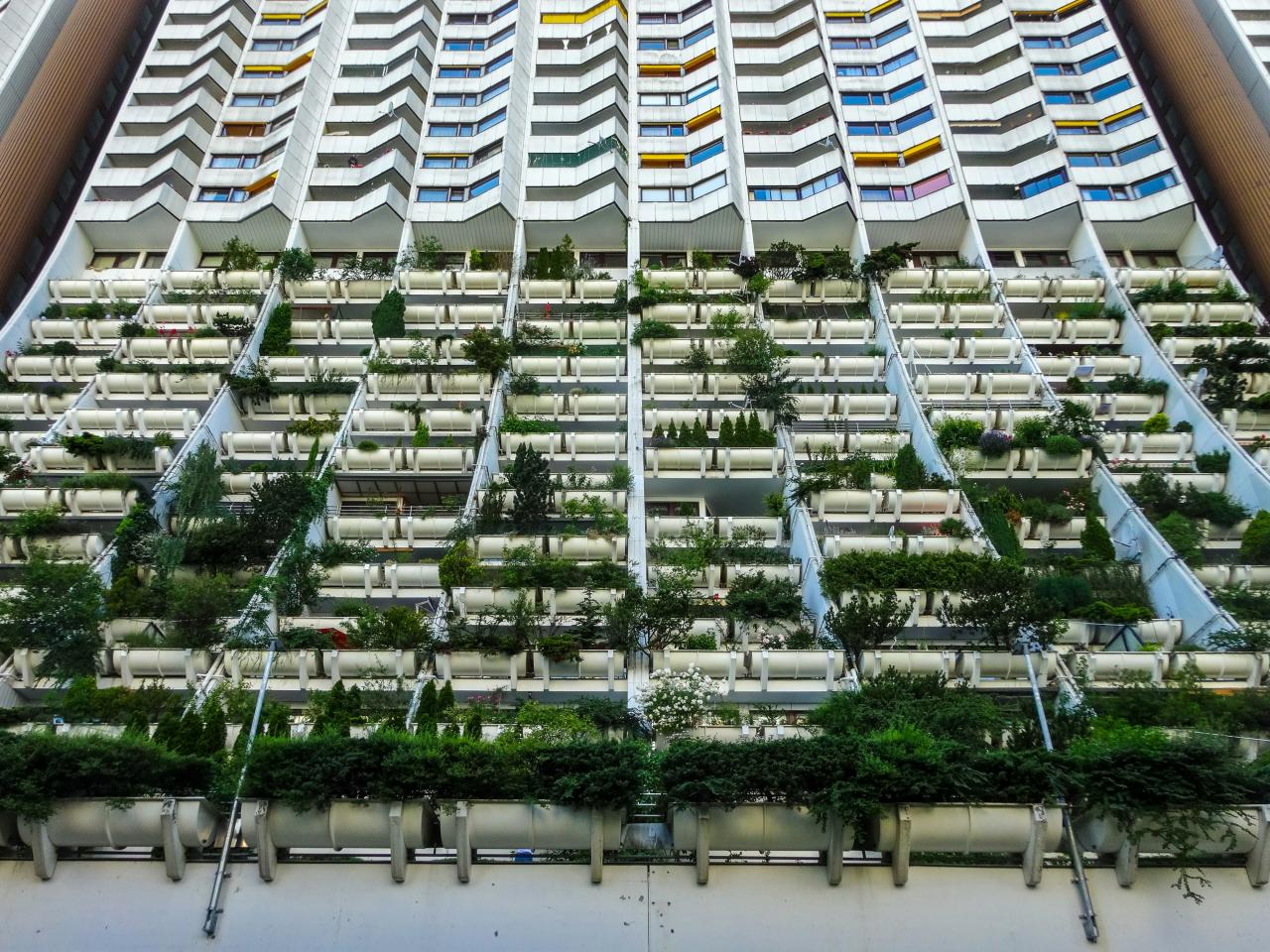
A vertical forest is much more than a building with a few potted plants on the balconies; it is a complex biological machine designed to mimic a natural woodland. Architects must carefully select thousands of trees and shrubs that can survive the harsh wind conditions and intense sunlight found at high altitudes.
I believe that “integrated biodiversity” is the best way to solve the problem of urban sterility and the lack of green space in crowded city centers. You solve the problem of limited land availability by expanding the forest upward, creating a lush canopy that replaces traditional glass and steel facades.
This perspective allows you to view every skyscraper as a potential lung for the city, capable of filtering dust and absorbing harmful carbon dioxide.
A. Biological Species Selection
Choosing the right vegetation requires a deep understanding of local botany and how different plants respond to varied heights and microclimates on the building. Experts prefer hardy, native species that provide seasonal color changes while requiring minimal chemical intervention to stay healthy.
B. Structural Weight Management
The engineering team must design reinforced balconies and specialized containers that can support the massive weight of wet soil and fully grown trees. These structures include sophisticated drainage systems to prevent water damage while ensuring the plants receive consistent hydration.
C. Wind Load and Aerodynamics
Tall trees act like sails in the wind, which can put immense pressure on the building’s structural frame during a storm. Advanced computer modeling helps architects position large trees in a way that breaks up wind currents and protects the building’s integrity.
The Science of Natural Air Filtration
One of the most powerful benefits of a vertical forest is its ability to act as a giant air purifier for the surrounding neighborhood. The leaves of the trees trap fine particulate matter from car exhaust and industrial activities, preventing these toxins from entering human lungs.
My new perspective is that “atmospheric scrubbing” is the secret to solving the problem of rising respiratory illnesses in densely populated metropolitan areas.
You solve the problem of urban smog by turning every balcony into a specialized filter that captures pollutants and releases fresh, oxygen-rich air into the apartment. This perspective ensures that residents breathe cleaner air than people living in traditional buildings just a few blocks away.
A. Carbon Dioxide Sequestration
A single vertical forest can absorb tons of carbon dioxide every year, helping to mitigate the local impact of global warming and industrial emissions. This makes the building a net-positive contributor to the environment rather than a source of energy waste.
B. Oxygen Production and Quality
Through the natural process of photosynthesis, the thousands of plants on the facade produce a steady stream of pure oxygen for the inhabitants. This creates a refreshing microclimate that feels more like a mountain retreat than a downtown apartment complex.
C. Fine Dust and Pollutant Capture
The textured surfaces of the leaves are incredibly efficient at catching microscopic dust particles that regular air filters often miss. This constant cleaning process significantly reduces the “smell” of the city and keeps the interior of the home much cleaner.
Tackling the Urban Heat Island Effect
Traditional cities trap heat in their asphalt and concrete surfaces, causing temperatures to soar several degrees higher than in the surrounding countryside. Vertical forests use the natural process of evapotranspiration to release moisture into the air, which cools the building and the local street level.
I suggest that “evaporative cooling” is the ultimate tool for solving the problem of excessive air conditioning costs and urban heat stress. You solve the problem of overheating by creating a natural “green shield” that blocks direct sunlight from hitting the building’s walls and windows.
This perspective turns your home into a self-cooling oasis that remains comfortable even during the peak of a record-breaking summer heatwave.
A. Solar Radiation Blocking
The thick layer of leaves and branches absorbs the sun’s energy before it can reach the building’s thermal mass. This keeps the interior naturally cool and reduces the need for expensive and energy-hungry mechanical cooling systems.
B. Microclimate Regulation
The moisture released by the plants creates a humid and cool envelope around the building, lowering the temperature by several degrees. This cooling effect extends to the sidewalk below, making the entire neighborhood more pleasant for pedestrians.
C. Thermal Insulation Benefits
In the winter, the evergreen species on the facade act as an extra layer of insulation that helps retain heat within the apartments. This dual-action climate control ensures that energy efficiency remains high throughout all four seasons of the year.
Psychological Wellness and Biophilic Benefits
Humans have an innate biological need to be connected to nature, a concept known as biophilia, which is often ignored in modern city design. Living in a vertical forest has been proven to lower cortisol levels, reduce anxiety, and improve overall mental focus for the residents.
I believe that “emotional architecture” is the best way to solve the problem of urban burnout and the feeling of isolation that comes from living in a concrete jungle.
You solve the problem of mental fatigue by surrounding your living space with the sights, sounds, and smells of a living woodland. This perspective treats your apartment not just as a place to sleep, but as a therapeutic environment that actively restores your mental energy every day.
A. Acoustic Dampening and Silence
The dense layers of vegetation and soil act as a natural sound barrier that blocks out the constant roar of city traffic and sirens. This creates a silent sanctuary where you can truly relax and disconnect from the outside world.
B. Visual Connection to Nature
Having a tree outside your bedroom window on the twentieth floor provides a sense of peace that a glass-and-steel view can never replicate. The changing colors of the leaves provide a visual connection to the cycle of the seasons, which is often lost in urban living.
C. Stress and Cortisol Reduction
Studies show that simply looking at green foliage for a few minutes can significantly lower blood pressure and heart rate. Living within a forest environment provides a constant, passive form of therapy that improves long-term cardiovascular health.
Innovative Irrigation and Water Recycling
Maintaining a massive forest on the side of a building requires a highly efficient water management system that doesn’t waste precious municipal resources. Most vertical forests use “greywater” from the building’s sinks and showers, which is filtered and pumped back into the irrigation network.
My perspective is that “circular hydration” is the secret to solving the problem of water waste in high-end green architecture. You solve the problem of maintenance costs by using automated sensors that deliver the exact amount of water each plant needs based on the weather.
This perspective makes the building a model of resource efficiency, proving that luxury and conservation can exist in perfect balance.
A. Smart Drip Irrigation Systems
Computer-controlled pipes deliver water directly to the roots of the plants, preventing evaporation and ensuring that not a single drop is wasted. These systems can be monitored remotely, allowing the maintenance team to spot leaks or clogs instantly.
B. Rainwater Harvesting Integration
The building’s roof and balconies are designed to catch and store rainwater in large underground tanks for use during dry spells. This reduces the building’s reliance on the city’s water supply and helps manage stormwater runoff during heavy rains.
C. Natural Filtration and Drainage
As water moves through the various levels of the building, the soil and roots act as a natural filter that cleans the liquid. This ensures that any water leaving the system is cleaner than when it entered, benefiting the local ecosystem.
Supporting Urban Biodiversity and Wildlife
As cities expand, they often destroy the natural habitats of birds, butterflies, and beneficial insects that are essential for a healthy environment. A vertical forest acts as a series of “stepping stones” that allow wildlife to move through the city and find food and shelter.
I suggest that “vertical habitat restoration” is the ultimate tool for solving the problem of declining urban biodiversity and the collapse of local ecosystems.
You solve the problem of habitat loss by providing nesting sites and flowering plants that support the entire food chain in the middle of a high-rise district. This perspective turns the building into a living laboratory where residents can observe nature returning to the heart of the city.
A. Pollinator Support Networks
By planting a variety of flowers that bloom at different times, architects provide a constant food source for bees and butterflies. This supports local agriculture and ensures that the city’s parks and gardens remain healthy and vibrant.
B. Avian Nesting Opportunities
The height and density of a vertical forest provide birds with a safe place to build nests away from ground-level predators like cats. This has led to the return of rare bird species to cities where they haven’t been seen for decades.
C. Integrated Pest Management
A balanced ecosystem on the building naturally attracts ladybugs and other predatory insects that keep harmful pests under control. This removes the need for toxic chemical pesticides, making the environment safer for both the plants and the human residents.
Overcoming Technical and Maintenance Challenges
Building and maintaining a vertical forest is undeniably more complex and expensive than managing a traditional apartment tower. Specialized teams of “flying gardeners” must use ropes and harnesses to prune the trees and check the health of the vegetation several times a year.
I believe that “professional stewardship” is the best way to solve the problem of high maintenance fees and the risk of plant failure. You solve the problem of long-term viability by including the cost of expert care in the building’s initial operational budget.
This perspective ensures that the forest remains lush and healthy for the entire life of the building, protecting its market value and environmental impact.
A. Specialized Maintenance Crews
Standard landscapers are not equipped to work on the side of a skyscraper, so companies must hire trained arborists with climbing skills. These professionals monitor every tree individually to ensure it is growing safely and isn’t becoming too heavy for its container.
B. Root Barrier and Liner Technology
To prevent roots from damaging the building’s structure, containers are lined with high-tech materials that direct the growth downward. These barriers are essential for preventing leaks and ensuring the building remains watertight for decades.
C. Longevity and Replacement Cycles
While many of the plants will live for decades, some will eventually need to be replaced as they reach the end of their lifecycle. A well-managed vertical forest has a clear plan for rotating species to maintain a consistent aesthetic and biological performance.
Economic and Real Estate Value of Green Architecture
While the initial construction costs are higher, vertical forests often command a significant premium in the real estate market due to their unique beauty and health benefits. Modern buyers are increasingly willing to pay more for homes that offer a better quality of life and a lower environmental footprint.
My new perspective is that “biophilic premium” is the secret to solving the problem of low property differentiation in crowded urban markets.
You solve the problem of long-term investment risk by owning an iconic building that stands out from the sea of glass boxes. This perspective proves that building in harmony with nature is not just an ethical choice, but a highly profitable business strategy.
A. Increased Property Appreciation
Buildings that feature significant green space often appreciate in value faster than their traditional neighbors. Their status as local landmarks makes them highly desirable for high-net-worth individuals and international investors.
B. Energy Cost Savings
The natural insulation and cooling provided by the forest can lower a resident’s monthly utility bills by thirty to forty percent. Over several years, these savings can help offset the higher purchase price or maintenance fees of the apartment.
C. Enhanced Brand and Corporate Identity
Companies that choose to house their offices in a vertical forest project a message of innovation, sustainability, and care for their employees. This helps attract top talent and improves the company’s reputation in an increasingly eco-conscious global market.
Conclusion
Green towers are smart. You must act fast. The time is now. Smart plans help you. You solve your work. Your city wins today. Old gray rules fail. New green tools win. You save your life. Tree tracking is key. Safe saves build life. You grow your wealth. Nature flow is strong. Innovation is a win.
Your future stays safe. Every choice is good. The best time starts. You make the move. Support your success now. Stay curious about plants. Read new tips daily. The journey starts here. You find your freedom. Urban heat dies soon. High risk is gone. Low costs are here. You breathe very easy.
Start your new plan. Check the designs today. Ask for a deal. Your future is bright. You own your time. Nature is your tool. Do not wait long. The market is ready. You are the boss. Wealth starts with action. Keep your eyes open. The path is clear. Small steps lead far. Big wins come soon.
You reach the goal. A clean slate arrives. Believe in your power. You can do it. Nature fuels your growth. Adaptation is your edge. Success comes to you. Better skills mean more. Invest in your team. Scale your vision fast.