The evolution of window technology has reached a point where glass no longer acts as a passive barrier but as an active participant in your home’s thermal regulation.
For many decades, residential windows served as the primary point of energy loss, forcing expensive heating and cooling systems to work tirelessly to maintain a stable indoor temperature.
This traditional model of static glazing often meant that homeowners had to choose between enjoying natural sunlight and keeping their utility bills under control.
However, the emergence of smart glass technology offers a revolutionary way to manage solar heat gain and glare with the simple touch of a button or an automated sensor.
This transition represents a monumental shift from relying on heavy curtains and blinds to utilizing electrochromic and thermochromic materials that respond to environmental changes in real-time.
We are entering an era where dynamic transparency and intelligent shading serve as the primary foundations for high-performance architectural design. This innovation addresses the critical challenge of carbon emissions by drastically reducing the artificial lighting and climate control needs of modern buildings.
By mastering the application of smart glass, you can transform your living space into a high-tech sanctuary that optimizes comfort while significantly lowering your environmental footprint.
This article explores the most effective and proven strategies to utilize smart glass technology while enhancing your home’s aesthetic appeal and long-term financial value.
Understanding How Electrochromic Glass Controls Light
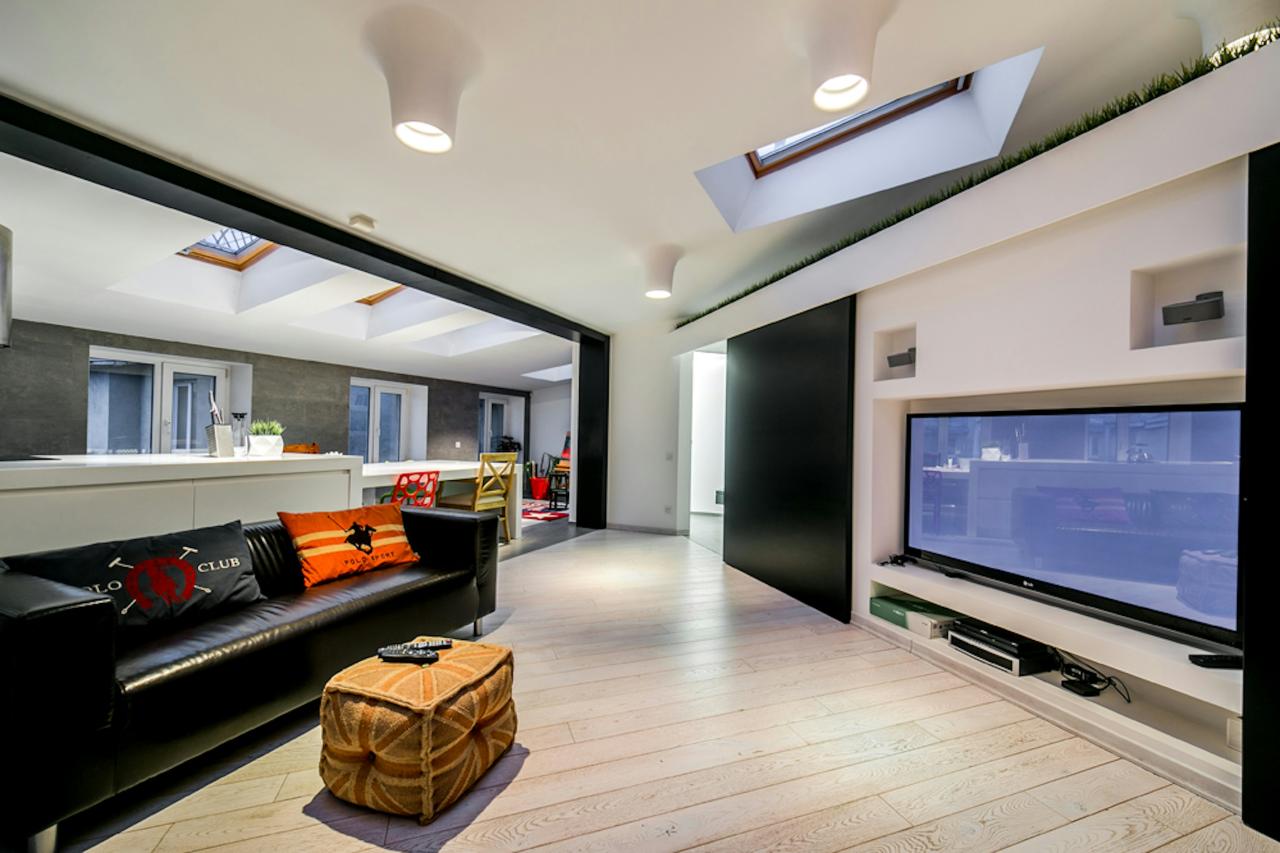
Electrochromic glass uses a small burst of electricity to trigger a chemical reaction that changes the transparency of the window. This allows you to tint your windows on demand, blocking out harsh afternoon sun without losing your view of the outside world.
I believe that “active tinting” is the best way to solve the problem of sun damage to furniture and expensive artwork in bright rooms. You solve the problem of interior heat buildup by adjusting the opacity of your glass before the sun has a chance to warm up your living space.
This perspective turns your windows into a dynamic shield that protects your privacy and your possessions while maintaining a modern, open feel.
A. Low Voltage Operation
These systems require very little power to operate, typically using less energy than a single LED light bulb to maintain their tinted state throughout the day. This efficiency ensures that your energy savings from reduced cooling far outweigh the cost of running the glass.
B. Gradual Transition Smoothing
The glass transitions slowly from clear to dark, which allows your eyes to adjust naturally to the changing light levels without any sudden or distracting shifts. This creates a much more comfortable environment for working on computers or watching television during the day.
C. Customizable Privacy Tiers
Advanced electrochromic systems allow you to choose between several levels of tint, ranging from a light frost to nearly complete blackout. This flexibility gives you total control over the atmosphere of each room based on the time of day and your specific activities.
Harnessing Thermochromic Glass for Passive Cooling
Thermochromic glass is a “set it and forget it” solution because it responds directly to the temperature of the sun’s rays without needing any wires or sensors. When the glass gets hot, the internal layers automatically darken to reflect heat away, and when it cools down, it clears up to let the warmth in.
My new perspective is that “thermal responsiveness” is the secret to solving the problem of overheating in glass-heavy modern designs.
You solve the problem of high air conditioning costs by letting the windows themselves decide when to block the solar energy. This perspective provides a reliable, maintenance-free way to keep your home comfortable even if you are not there to adjust the settings manually.
A. Autonomous Heat Management
Because it requires no power source, thermochromic glass is ideal for skylights and hard-to-reach windows where running electrical wires would be too expensive. It provides constant protection against the greenhouse effect that often makes sunrooms unusable during the summer.
B. Consistent Interior Climate
By blocking heat at the source, these windows prevent the “hot spots” that usually form near large glass doors and windows. This consistency makes your entire floor plan usable year-round, increasing the functional square footage of your home.
C. Long-Term Durability
Thermochromic materials are incredibly stable and do not degrade from constant sun exposure, meaning they will continue to save you money for the entire life of the window. This makes them a very high-ROI investment for homeowners looking for long-term sustainability.
The Privacy Benefits of Liquid Crystal Glass
Liquid crystal glass, often called “switchable privacy glass,” changes from opaque to clear instantly when an electric current is applied. In its default state, the crystals are scattered, which blocks the view but still allows soft, diffused light to enter the room.
I suggest that “on-demand seclusion” is the ultimate tool for solving the problem of bulky, dust-collecting curtains in bathrooms and bedrooms.
You solve the problem of feeling exposed in urban environments by switching your glass to private mode whenever you need it. This perspective allows you to enjoy maximum natural light without sacrificing the personal privacy that makes a house feel like a home.
A. Instantaneous Privacy Switching
Unlike electrochromic glass which takes a few minutes, liquid crystal glass changes in less than a second, providing immediate privacy at the flip of a switch. This is perfect for conference rooms, front doors, or any area where you need a quick transition.
B. Soft Light Diffusion
When the glass is in its opaque state, it acts like a giant lamp, spreading sunlight evenly throughout the room without creating harsh shadows. This improves the overall lighting quality of your interior and reduces the need for artificial overhead lights.
C. Smart Home Integration
Most switchable glass systems can be connected to your voice assistant or smartphone app, allowing you to set schedules for your privacy. You can program your windows to turn opaque at sunset and clear at sunrise, automating your daily routine perfectly.
Maximizing Winter Warmth with Low-E Coatings
Low-Emissivity (Low-E) coatings are microscopic metal layers applied to the glass that reflect long-wave infrared energy (heat) back into the room. During the winter, this means the heat from your furnace stays inside instead of escaping through the glass into the cold night air.
I believe that “infrared reflection” is the best way to solve the problem of “cold glass syndrome” that makes people avoid sitting near windows in the winter.
You solve the problem of heat loss by creating a thermal mirror that keeps your expensive warmth where it belongs. This perspective makes your home feel much cozier and reduces the workload on your heating system, extending its lifespan significantly.
A. Selective Energy Filtering
Low-E coatings are designed to let in visible light while blocking the invisible heat spectrum, so your rooms stay bright without becoming ovens. This balance is key to achieving a net-zero energy home that performs well in both summer and winter.
B. UV Radiation Protection
These coatings block up to ninety-nine percent of harmful ultraviolet rays, which are the main cause of fading in carpets, wood floors, and leather sofas. Investing in Low-E glass is essentially an insurance policy for your interior design and expensive finishes.
C. Condensation Prevention
By keeping the inner pane of glass warmer, Low-E coatings prevent moisture from the air from turning into water droplets on the window. This reduces the risk of mold growth and protects your window frames from water damage and rot.
Strategic Window Placement for Natural Ventilation
While the glass itself is important, how you position and operate your windows determines how well your home can cool itself using natural breezes. Using “stack effect” ventilation involves opening low windows on the cool side of the house and high windows or skylights to let the hot air escape.
My new perspective is that “aerodynamic planning” is the secret to solving the problem of stale, indoor air and high electricity use.
You solve the problem of stuffy rooms by creating a natural vacuum that pulls fresh air through your home without using a single fan. This perspective turns your windows into a biological cooling system that works in harmony with the local weather patterns.
A. Cross-Ventilation Layouts
Placing windows on opposite sides of a room allows air to move freely through the space, carrying away heat and odors instantly. This is the most effective way to refresh your home’s air quality without relying on expensive HVAC filters.
B. Automated Window Openers
Modern smart glass systems can be paired with motorized actuators that open the windows slightly when the indoor CO2 levels get too high. This ensures that you always have a fresh supply of oxygen, improving your sleep quality and daily focus.
C. Thermal Chimney Effects
Utilizing tall windows in stairwells or double-height ceilings allows hot air to rise and exit the building naturally. This “chimney” pulls in cooler air from ground-level windows, creating a constant and free cooling breeze during the evening.
Combining Smart Glass with Passive Solar Gain
In colder climates, you can use high-transparency smart glass on south-facing walls to trap the sun’s heat during the day and help warm your home for free. The key is to use glass that allows high levels of “solar heat gain” when the sun is low in the sky during the winter.
I suggest that “solar harvesting” is the ultimate tool for solving the problem of high heating bills in northern regions. You solve the problem of winter cold by turning your south-facing windows into giant solar collectors that provide a massive amount of free thermal energy.
This perspective allows you to significantly downsize your heating equipment, saving you money on both the installation and the monthly operation.
A. High Solar Heat Gain Coefficients
Selecting glass with a high SHGC for your sunny windows ensures that you capture every bit of available energy during the short winter days. This free heat is stored in your floors and walls, keeping the house warm long after the sun goes down.
B. Nighttime Thermal Insulation
Pairing your high-gain glass with automated cellular shades provides an extra layer of insulation that prevents the captured heat from escaping at night. This “one-way” energy valve is the hallmark of a truly efficient and well-designed smart home.
C. Daylighting for Productivity
Using smart glass to maximize natural light has been proven to increase serotonin levels and improve human productivity. By reducing your reliance on flickering fluorescent lights, you create a healthier and more vibrant work-from-home environment.
Reducing Glare for Better Digital Workspaces
Glare on computer screens is one of the biggest complaints for people working from home, often leading to eye strain and headaches. Smart glass can be programmed to tint only the specific windows that are causing glare at a certain time of day, leaving the rest clear.
I believe that “visual comfort optimization” is the best way to solve the problem of poor ergonomic conditions in modern home offices. You solve the problem of squinting at your screen by letting your smart windows automatically adjust as the sun moves across the sky.
This perspective allows you to work comfortably in a room full of windows without ever having to reach for a traditional blind or curtain.
A. Antireflective Surface Treatments
Some smart glass comes with permanent antireflective coatings that reduce the “mirror effect” on the outside of the building. This makes the windows look better and prevents birds from accidentally flying into the glass, supporting local biodiversity.
B. Zoned Tinting Controls
In large glass walls, you can tint the top half of the window to block the sun while keeping the bottom half clear to maintain your view. This “gradient” control is something that traditional blinds simply cannot achieve with the same level of elegance.
C. Eye Fatigue Prevention
Maintaining consistent light levels throughout the day prevents your pupils from having to dilate and constrict constantly. This stability reduces physical fatigue and allows you to stay focused and productive for longer periods during your workday.
The Financial ROI of Smart Glazing Upgrades
While smart glass has a higher upfront cost than standard double-paned windows, the energy savings and increased property value often pay for the upgrade in a few years. Homebuyers are increasingly looking for “future-proof” houses that are cheap to run and easy to maintain.
My new perspective is that “asset appreciation” is the secret to solving the problem of high renovation costs. You solve the problem of long-term expenses by investing in technology that reduces your monthly bills and protects your interior from sun damage.
This perspective proves that smart glass is not a luxury expense but a strategic financial decision for any serious property owner.
A. Lower HVAC Capacity Needs
Because smart glass blocks so much heat, you can often install a smaller, cheaper air conditioning unit when building or renovating. These savings at the start of the project can help offset a large portion of the cost of the glass itself.
B. Reduced Interior Replacement Costs
By blocking UV rays, smart glass extends the life of your furniture, flooring, and paint by many years. This means you won’t have to spend thousands of dollars on new carpets or reupholstering sofas every decade.
C. Higher Resale Premiums
Homes with advanced green technology sell faster and for higher prices than homes with outdated windows. Buyers see smart glass as a premium feature that signifies the overall quality and modern engineering of the entire house.
Conclusion
Smart glass is smart. You must act fast. The market is ready. Good plans help you. You solve your work. Your brand wins today. Old bank rules fail. New digital tools win. You save your cash. Flow tracking is key. Safe saves build life. You grow your wealth. Visual flow is strong. Innovation is a win.
Your company stays safe. Every choice is good. The best time starts. You make the move. Support your success now. Stay curious about money. Read new tips daily. The journey starts here. You find your freedom. Hidden fees die soon. High risk is gone. Low costs are here. You breathe very easy.
Start your new plan. Test the tools today. Ask for a deal. Your future is bright. You own your time. Software is your tool. Do not wait long. The market is ready. You are the boss. Wealth starts with action. Keep your eyes open. The path is clear. Small steps lead far. Big wins come soon.
You reach the goal. A clean slate arrives. Believe in your power. You can do it. Efficiency fuels your growth. Automation is your edge. Success comes to you. Better tools mean more. Invest in your team. Scale your vision fast.