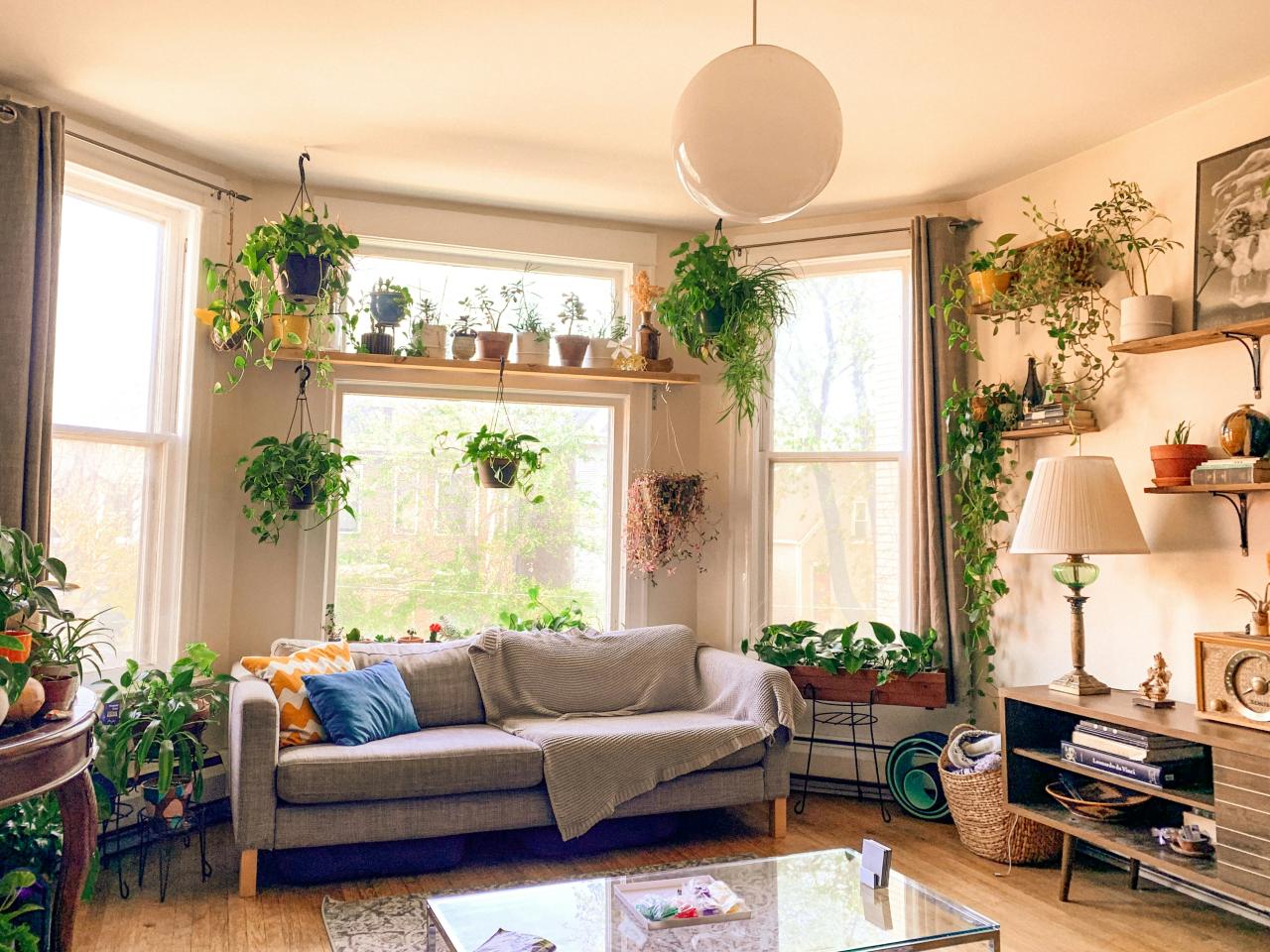
The integration of lush, botanical sanctuaries within high-end residential architecture has become the ultimate hallmark of modern luxury living.
For many decades, wealthy homeowners viewed indoor plants as mere decorative accessories or scattered pots that required constant manual care and often struggled to survive in artificial environments.
This traditional model of indoor greenery frequently felt disconnected from the home’s overall design, creating a visual clutter that detracted from the architectural elegance of the property.
However, the emergence of sophisticated hydroponic systems and climate-controlled botanical galleries offers a revolutionary way to bring the grandeur of nature directly into your living room.
This transition represents a monumental shift from basic gardening to creating self-sustaining ecosystems that enhance both the aesthetic value and the air quality of a luxury estate.
We are entering an era where living walls, indoor courtyards, and rare exotic plant collections serve as the primary foundations for a healthy and prestigious lifestyle. This innovation addresses the critical challenge of urban isolation by providing a private escape into a tranquil, green paradise without ever leaving your house.
By mastering the art of high-end indoor garden design, you can transform your residence into a world-class botanical sanctuary that inspires the soul and calms the mind.
This article explores the most effective and proven strategies to implement professional-grade indoor gardens while optimizing your home for maximum wellness and architectural beauty.
Designing Vertical Living Walls for Dramatic Impact
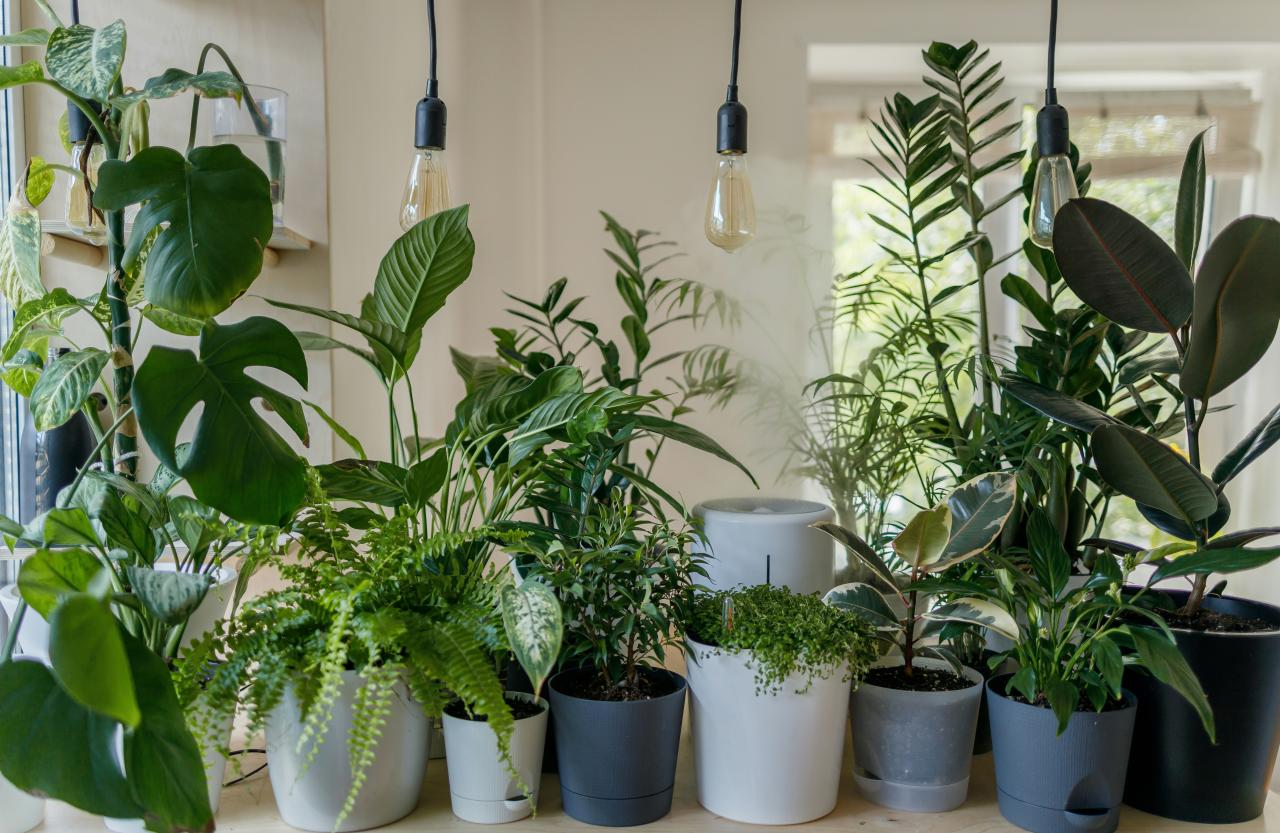
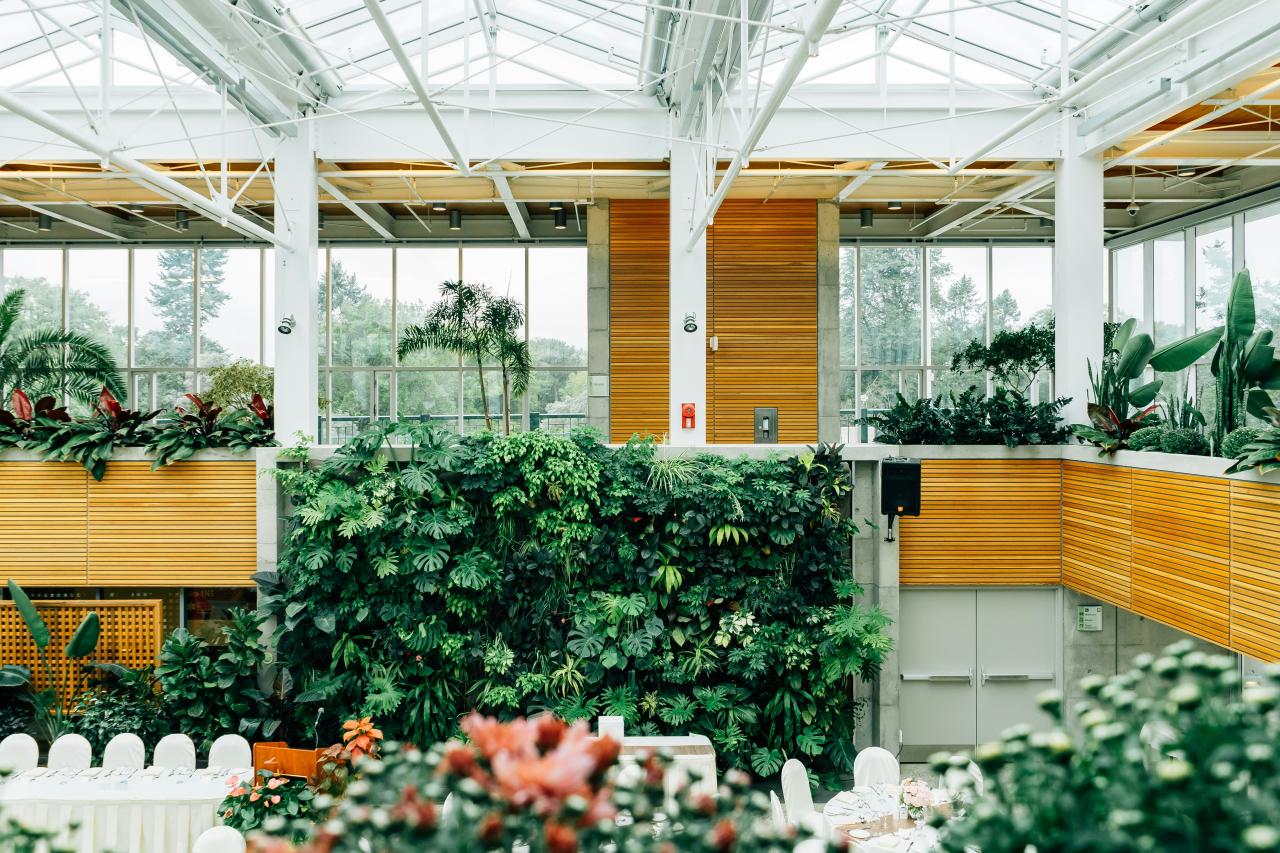
A living wall, often called a vertical garden, serves as a breathtaking focal point that turns a standard structural element into a breathing, organic masterpiece. These systems utilize specialized felt layers or modular containers that allow a vast variety of plants to grow directly on your interior walls.
I believe that “vertical biodiversity” is the best way to solve the problem of limited floor space in even the most expansive luxury penthouses.
You solve the problem of visual monotony by creating a tapestry of different textures, colors, and leaf shapes that change as the plants grow. This perspective allows you to treat your walls as a dynamic, evolving art gallery that provides a constant connection to the natural world.
A. Hydroponic Nutrient Delivery Systems
Modern living walls often use water-based systems that deliver nutrients directly to the roots without the need for heavy, messy soil. This ensures that your walls stay clean and lightweight while providing the plants with the perfect diet for rapid and healthy growth.
B. Integrated Full-Spectrum LED Lighting
High-end installations include hidden specialized lighting that mimics natural sunlight, allowing your vertical garden to thrive even in basement galleries or windowless hallways. This technology ensures that every leaf stays vibrant and green, regardless of the outdoor weather or the time of day.
C. Acoustic Dampening Properties
The thick layer of foliage on a living wall acts as a natural sound absorber, significantly reducing echoes and noise pollution within large open-plan rooms. This creates a quieter, more peaceful environment that enhances the sense of luxury and seclusion within your home.
Creating Enclosed Botanical Atriums and Courtyards
Indoor courtyards offer a unique architectural opportunity to bring the sky and the earth into the center of your floor plan, creating a seamless transition between interior and exterior spaces.
These glass-enclosed sanctuaries allow for the growth of larger trees and tropical species that require high humidity and consistent temperature control. My new perspective is that “centralized biophilia” is the secret to solving the problem of poor natural light in the middle of deep residential structures.
You solve the problem of a dark interior by carving out a transparent core that floods the surrounding rooms with soft, diffused sunlight. This perspective provides a 360-degree view of nature from almost every room in your house, making the entire property feel larger and more connected.
A. Climate-Controlled Micro-Environments
Using independent HVAC zones for your atrium allows you to maintain the high humidity and warm temperatures that rare tropical plants need to thrive. This prevents the dry air from your home’s main heating system from damaging sensitive species like orchids or giant ferns.
B. Sunken Garden Topography
Designing a garden that sits below the floor level adds a sense of depth and architectural interest, allowing you to look down into a lush valley of greenery. This multi-level approach creates a more immersive experience and provides a perfect spot for hidden water features or stone pathways.
C. Smart Retractable Glass Roofs
Automated roof systems can open during pleasant weather to allow fresh air and direct sunlight to reach your plants, then close automatically when it rains. This flexibility ensures that your indoor garden functions as a true outdoor space whenever the conditions are perfect.
Curating Rare and Exotic Plant Collections
For the discerning homeowner, a luxury indoor garden is not just about greenery; it is about showcasing rare and exotic species that serve as conversation pieces. Collecting specimens like the variegated Monstera, ancient Bonsai trees, or rare Alocasia varieties adds a layer of exclusivity and personality to your home.
I suggest that “botanical curation” is the ultimate tool for solving the problem of generic, soul-less interior decor that lacks a personal story.
You solve the problem of “boring” spaces by investing in living sculptures that grow in value and beauty over time. This perspective turns your hobby into a sophisticated investment that reflects your global travels and your deep appreciation for natural rarities.
A. Automated Soil Moisture Sensors
Hidden probes in the soil monitor the hydration levels of your most valuable plants and send alerts to your smartphone when they need attention. This technology removes the guesswork from plant care and ensures that your expensive exotic collection never suffers from over or under-watering.
B. Bespoke Handcrafted Planters
Luxury gardens utilize custom-made containers made from premium materials like hand-fired ceramic, carved stone, or sustainable hardwoods. These planters are designed to complement the home’s furniture and architecture, ensuring that the botanical elements feel like a deliberate part of the design.
C. Professional Maintenance Services
Many high-end homeowners employ professional horticulturalists to visit their estates weekly to prune, feed, and clean the leaves of their indoor collections. This ensures that the garden always looks showroom-ready and that any potential pests are dealt with before they can spread.
Integrating Water Features for Sensory Harmony
The sound and sight of moving water within an indoor garden add a sensory layer that elevates the space from a simple room to a true sanctuary. Whether it is a minimalist reflecting pool or a dramatic multi-story waterfall, water brings movement and life to the static elements of the home.
I believe that “sensory layering” is the best way to solve the problem of urban stress and the constant noise of modern life.
You solve the problem of a busy mind by introducing the rhythmic, calming sound of a gentle stream into your daily environment. This perspective creates a meditative atmosphere that helps lower blood pressure and encourages deep relaxation after a long day of work.
A. Recirculating Hidden Pump Systems
Modern water features use quiet, efficient pumps that are completely hidden from view, ensuring that you only hear the natural sound of the water. These systems require very little maintenance and can be programmed to run only when you are in the room to save energy.
B. Integrated Aquatic Life
Larger ponds within indoor gardens can house colorful Koi fish or exotic water lilies, adding a flash of movement and color to the green environment. Watching the fish swim provides a therapeutic focus that is known to reduce anxiety and improve mental clarity.
C. Natural Air Humidification
Evaporating water from your indoor ponds or waterfalls naturally increases the humidity levels in the air, which is beneficial for both your plants and your skin. This “organic humidifier” helps maintain a comfortable atmosphere without the need for noisy mechanical devices.
Smart Lighting and Circadian Rhythm Support
The most advanced luxury indoor gardens use “tunable” LED lighting systems that change their color temperature and intensity to match the natural cycle of the sun. This supports the healthy growth of your plants while also helping to regulate your own sleep-wake cycles.
My new perspective is that “biological light synchronization” is the secret to solving the problem of winter blues and low energy levels in cold climates.
You solve the problem of short, dark days by allowing your indoor garden to provide a blast of bright, energizing light every morning. This perspective makes your green sanctuary a powerful tool for maintaining your physical and mental health throughout the year.
A. Spectrum-Optimized Grow Lights
Specialized bulbs provide the specific wavelengths of light—mostly blue and red—that plants need for photosynthesis, while still looking like warm, natural light to the human eye. This ensures your plants stay healthy without making your living room look like a laboratory.
B. Automated Shading and Reflectors
Smart blinds can adjust based on the sun’s position to protect sensitive shade-loving plants from harsh direct rays or to reflect light deeper into the garden. This constant, automatic adjustment ensures that every plant receives the exact amount of energy it needs to flourish.
C. Dusk-to-Dawn Lighting Scenes
Your automation system can gradually dim the garden lights in the evening, transitioning to a soft amber glow that prepares your body for rest. This gentle transition creates a beautiful nighttime aesthetic that highlights the textures of the leaves without being overwhelming.
Culinary Gardens and Indoor Orchards
A growing trend in luxury home design is the inclusion of functional indoor gardens that produce fresh herbs, microgreens, and even citrus fruits for the kitchen. Imagine picking fresh basil for your pasta or a lemon for your drink directly from the tree in your dining room.
I believe that “functional greenery” is the best way to solve the problem of pesticide-laden and flavorless produce found in many grocery stores.
You solve the problem of food quality by controlling the environment and the nutrients used to grow your own gourmet ingredients. This perspective adds a layer of practical luxury to your home that engages the sense of taste as well as the sense of sight.
A. Aero-Garden Kitchen Inserts
Compact, automated growing units can be built directly into your kitchen cabinetry or island, providing a constant supply of fresh herbs. these units use NASA-inspired technology to grow plants up to five times faster than traditional soil-based methods.
B. Indoor Dwarf Citrus Groves
Dwarf varieties of lemon, lime, and orange trees can thrive indoors if given enough light and proper drainage, filling your home with a beautiful citrus scent when they bloom. These trees provide both a visual focal point and a delicious harvest of organic fruit for your family.
C. Automated Nutrient Monitoring
For edible gardens, it is vital to keep the nutrient balance perfect to ensure the best flavor and health. Smart monitors track the pH levels and mineral content of the water, allowing you to fine-tune the “diet” of your plants for the tastiest results.
The Wellness Benefits of Indoor Greenery
Scientific studies have proven that being surrounded by nature reduces cortisol levels, increases productivity, and improves overall air quality by removing toxic chemicals. A luxury indoor garden is not just an aesthetic choice; it is a profound investment in your long-term health and the health of your family.
I suggest that “restorative architecture” is the secret to solving the problem of chronic stress and “nature deficit disorder” in our digital age.
You solve the problem of mental fatigue by creating a space where you can disconnect from screens and reconnect with the living world. This perspective transforms your home from a place where you just live into a place where you truly thrive and heal.
A. Phytoremediation and Air Purification
Certain plants like the Peace Lily and the Spider Plant are incredibly effective at scrubbing harmful volatile organic compounds (VOCs) from the air. This natural filtration system ensures that the air in your home is as clean as a forest, even in the middle of a polluted city.
B. Biophilic Productivity Boosts
If you work from home, placing your desk within view of your indoor garden can increase your focus and creativity by up to fifteen percent. The “soft fascination” of looking at plants allows your brain to recover from the intense focus required by computer work.
C. Psychological Stress Reduction
The act of caring for plants—a practice known as horticultural therapy—has been shown to lower heart rates and provide a sense of purpose and calm. Even simply spending ten minutes in your indoor garden can reset your mood and prepare you for the challenges of the day.
Conclusion
Green homes represent a powerful shift toward health and sustainability, replacing outdated industrial standards with innovative tools that prioritize your family’s well-being.
By integrating nature-driven designs and plant tracking systems, you can effectively eliminate urban stress while significantly reducing long-term maintenance costs and risks.
Taking immediate action to adopt these smart green plans allows you to reclaim your time and grow your wealth through more efficient and balanced living.
The path to a successful and bright future is clear when you use nature as your primary tool to fuel personal growth and environmental freedom.