


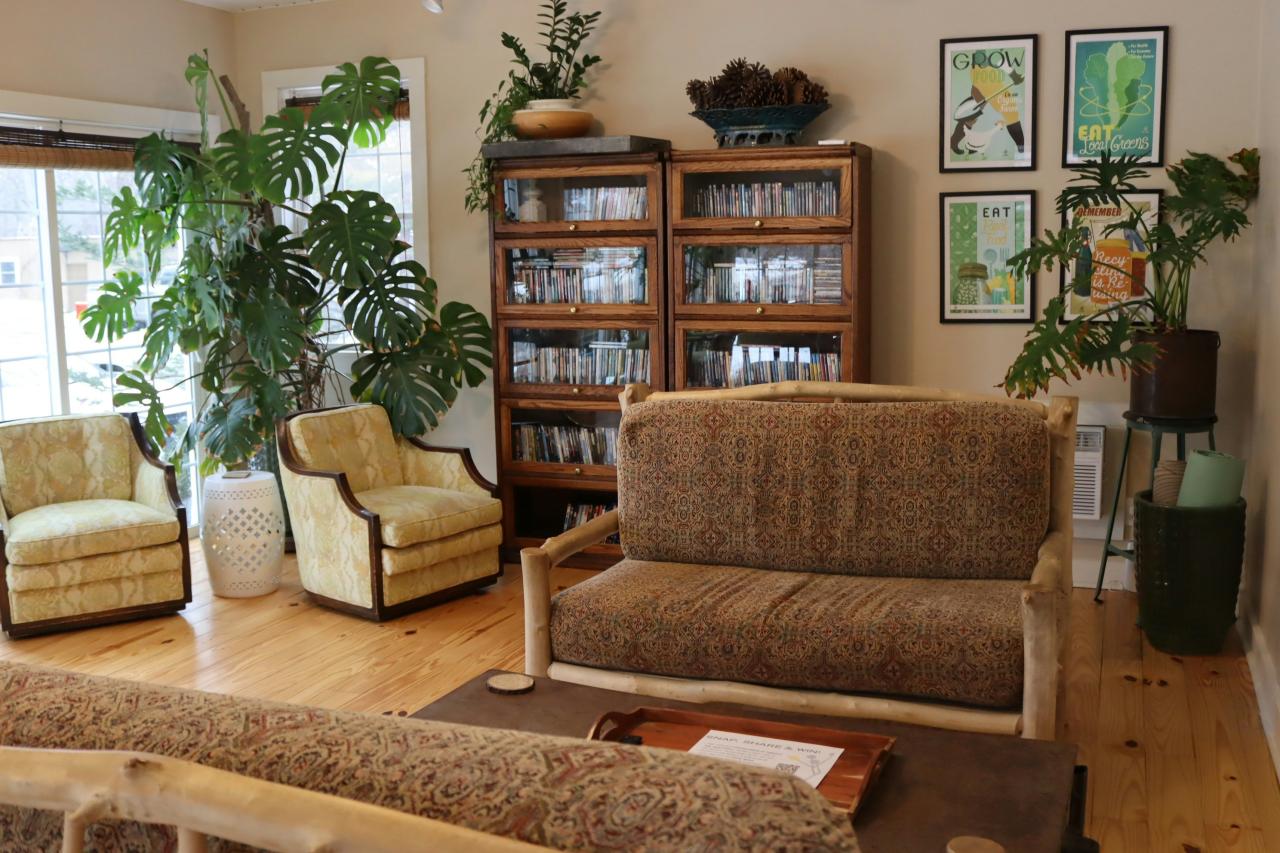
Modern interior design now focuses heavily on reconnecting our indoor living spaces with the natural world through a concept called biophilia. For many decades, home decorators prioritized cold, industrial aesthetics and synthetic materials that often left residents feeling isolated from the environment.
This traditional model of living room design ignored the biological need for humans to interact with plants, sunlight, and organic textures. However, the emergence of biophilic design offers a revolutionary way to reduce stress and improve air quality right in your own home.
This transition represents a monumental shift from viewing a house as a mere shelter to seeing it as a restorative ecosystem. We are entering an era where living walls, natural light optimization, and raw materials serve as the primary foundations for residential wellness.
This innovation addresses the critical challenge of “nature deficit disorder” by bringing the calming essence of the forest into the heart of the city.
By mastering biophilic principles, you can transform a standard living room into a lush sanctuary that actively boosts your mental and physical health. This article explores the most effective and proven biophilic design strategies while optimizing your understanding of how nature improves your daily quality of life.
Maximizing Natural Light and Circadian Rhythm

The foundation of any biophilic living room starts with how you manage and invite natural sunlight into the space throughout the day. Sunlight regulates our internal clocks, improves our mood, and provides essential Vitamin D that synthetic light simply cannot replicate.
I believe that “luminal transparency” is the best way to solve the problem of seasonal depression and low energy levels in dark apartments.
You solve the problem of a gloomy atmosphere by using sheer curtains and strategically placed mirrors that bounce sunlight into the deepest corners of the room. This perspective allows you to view your windows not just as openings, but as vital life-support systems for your emotional well-being.
A. Strategic Mirror Placement
Hanging a large mirror directly opposite a window doubles the visual impact of the outdoor view and pulls more light into the room. This simple trick makes small living rooms feel much more expansive and connected to the horizon.
B. Sheer Window Treatments
Replacing heavy, dark drapes with light-filtering fabrics allows privacy while still letting a soft, natural glow permeate the interior. This ensures that your living space stays bright even during overcast days without relying on artificial overhead lamps.
C. Skylight Integration
If your architecture allows it, adding a skylight brings in high-intensity vertical light that changes beautifully as the sun moves across the sky. This creates a dynamic environment where the passage of time is visible through shifting shadows and light patterns.
The Power of Living Green Walls
A living wall, or vertical garden, is perhaps the most iconic element of biophilic design, turning a flat surface into a breathing organism. These installations use various plant species to filter indoor toxins and release fresh oxygen, creating a literal “lung” for your living room.
My new perspective is that “vertical oxygenation” is the secret to solving the problem of stale indoor air and the “sick building” syndrome.
You solve the problem of limited floor space by growing your garden upward, which provides a massive visual impact without cluttering your walking paths. This perspective treats your walls as active participants in your health rather than just structural dividers.
A. Automated Irrigation Systems
Modern green walls often feature built-in watering systems that ensure every plant receives the exact amount of moisture it needs to thrive. This removes the stress of manual watering and keeps your living installation looking lush and vibrant year-round.
B. Air-Purifying Plant Selection
Choosing species like Pothos, Snake Plants, or Ferns maximizes the removal of common household chemicals like formaldehyde and benzene. These plants work twenty-four hours a day to scrub the air, making your home a safer place to breathe.
C. Modular Wall Kits
For those who want a flexible design, modular systems allow you to swap out individual plants or change the arrangement whenever you like. This keeps the design fresh and allows you to experiment with different textures and shades of green.
Integrating Organic Shapes and Fractal Patterns
Nature rarely uses perfectly straight lines or sharp ninety-degree angles, preferring instead the soft curves and complex patterns found in shells and leaves.
Incorporating “fractal” patterns—which are repeating shapes found in nature—has been scientifically proven to reduce stress and improve focus. I suggest that “geometric softening” is the ultimate tool for solving the problem of the harsh, anxiety-inducing edges found in modern minimalism.
You solve the problem of a “cold” home by choosing furniture with organic silhouettes and rugs with patterns that mimic the forest floor. This perspective creates a visual language that your brain recognizes as safe and relaxing, similar to a walk in the woods.
A. Curvaceous Furniture Design
Selecting a rounded sofa or an oval coffee table breaks up the boxy feel of a standard room and encourages a more natural flow of movement. These shapes feel more inviting to the human body and create a sense of comfort and protection.
B. Nature-Inspired Textiles
Using fabrics that feature leaf patterns, wood grain textures, or stone-like weaves adds a layer of visual complexity that keeps the eye engaged. These details provide a sensory richness that makes the living room feel “alive” rather than static.
C. Fractal Wall Art
Decorating with art that showcases the repetitive patterns of snowflakes, ferns, or coastlines provides a calming focal point for the room. These images tap into our deep-seated biological preference for organized natural complexity.
Utilizing Raw and Natural Materials
The materials you touch every day have a significant impact on your sensory experience and your physical connection to the earth. Biophilic design emphasizes the use of sustainable wood, stone, cork, and wool over plastic or chrome finishes.
I believe that “tactile grounding” is the best way to solve the problem of the sterile and artificial feeling of modern high-rise living.
You solve the problem of a “plastic” lifestyle by surrounding yourself with materials that age gracefully and possess a natural warmth. This perspective turns your living room into a sensory retreat where every surface feels authentic, sturdy, and deeply connected to the planet.
A. Unfinished Wood Accents
Using reclaimed or live-edge wood for shelving and tables allows you to see and feel the natural grain and knots of the tree. This honesty in materials creates a sense of history and organic beauty that mass-produced furniture cannot replicate.
B. Natural Stone Flooring
Stone tiles or slate hearths provide a cool, grounding sensation underfoot and offer a durability that lasts for generations. The unique variations in color and texture found in natural stone ensure that no two living rooms are ever exactly the same.
C. Wool and Jute Rugs
Natural fiber rugs provide a soft, textural contrast to hard floors while being completely biodegradable and free from toxic synthetic glues. These materials also help regulate indoor humidity by absorbing and releasing moisture naturally.
The Importance of Indoor Water Features
The sound and sight of moving water have a profound effect on the human nervous system, instantly lowering blood pressure and heart rate. A small indoor fountain or a wall-mounted water feature can mask unpleasant city noises and create a serene acoustic environment.
My perspective is that “acoustic masking” is the secret to solving the problem of urban noise pollution and the stress of a loud neighborhood.
You solve the problem of a “busy” mind by introducing a rhythmic, natural sound that encourages deep relaxation and meditation. This perspective allows you to drown out the sirens and traffic of the city with the gentle babble of a mountain stream.
A. Tabletop Stone Fountains
These small units are easy to install and provide a consistent, soothing sound that is perfect for a reading nook or a home office corner. They also act as natural humidifiers, keeping the air from becoming too dry during the winter months.
B. Wall-Integrated Water Falls
For a more dramatic look, a glass or slate water wall creates a stunning visual centerpiece that also cools the room through evaporation. This feature adds a layer of sophisticated luxury while maintaining a deep connection to the natural elements.
C. Reflective Water Bowls
A simple still water bowl can act as a natural mirror, reflecting the plants and light in the room to create a sense of stillness and peace. This minimalist approach provides the visual benefit of water without the need for pumps or electricity.
Designing for a View of Nature
Even if you don’t have a vast garden outside, how you frame your view of the sky, trees, or even a single potted plant matters immensely. Positioning your primary seating to face a window or a green area reinforces your connection to the outside world.
I suggest that “visual prospect” is the ultimate tool for solving the problem of feeling “trapped” in a small apartment or a dense urban area.
You solve the problem of claustrophobia by ensuring that your eyes always have a distant point to focus on through the glass. This perspective gives you a sense of “prospect and refuge,” which is a core human desire to feel safe while observing the environment.
A. Seating Orientation
Instead of pointing all your furniture at the television, try turning your favorite chair toward the window or a large cluster of indoor plants. This simple shift in perspective encourages quiet contemplation and a greater appreciation for the outdoors.
B. Window Box Gardens
Installing a garden box just outside your window allows you to see life and color even in the middle of a concrete jungle. Watching birds and insects visit your flowers provides a daily dose of “micro-nature” that is incredibly rewarding.
C. Mirroring the Outdoors
If you have a specific type of tree or plant outside your window, try placing a similar species inside the room to blur the line between the two spaces. This creates a seamless visual transition that makes your living room feel like it extends into the horizon.
Scent and Sound: Sensory Biophilia
True biophilic design engages all five senses, not just the eyes, to create a fully immersive natural experience. Using essential oils like cedarwood or lavender and playing recordings of birdsong or rain can trick the brain into thinking it is outdoors.
I believe that “sensory layering” is the best way to solve the problem of a dull or sterile indoor atmosphere. You solve the problem of sensory deprivation by creating a rich environment that smells and sounds like a thriving garden.
This perspective allows you to escape the industrial environment and find peace even if you live in the heart of a noisy metropolitan center.
A. Aromatherapy Diffusers
Using natural plant extracts to scent your living room can trigger positive emotional responses and reduce feelings of anxiety. Scents like pine and eucalyptus can make your home feel fresh and clean without the use of harsh chemical air fresheners.
B. Natural Soundscapes
High-quality speakers can play a loop of gentle forest sounds or ocean waves to create a calming background noise that enhances focus. This is particularly effective for those who work from home and need a peaceful environment to stay productive.
C. Tactile Textural Variety
Mixing different textures like smooth river stones, fuzzy moss, and rough tree bark provides a rich tactile experience when you move through the room. These varied sensations keep your brain alert and engaged with your surroundings.
Creating a Restorative Sanctuary
The ultimate goal of biophilic living room design is to create a space where you can shed the stress of the modern world and truly recharge. This requires a careful balance of all the elements mentioned above to create a space that feels cohesive and intentional.
My new perspective is that “environmental restoration” is the secret to solving the problem of burnout and mental exhaustion in our high-speed society.
You solve the problem of a chaotic life by building a home that acts as a battery charger for your soul and your body. This perspective ensures that your living room is not just a room for show, but a vital tool for your long-term happiness and health.
A. Decluttering with Nature
Removing plastic toys and electronic clutter and replacing them with shells, stones, or plants creates a cleaner and more peaceful visual field. This reduction in “visual noise” allows your mind to rest and process information more effectively.
B. Creating a Meditation Nook
Designating a small corner of the living room specifically for quiet reflection, surrounded by greenery and soft light, encourages a daily wellness practice. This “sacred space” becomes a mental anchor that helps you stay grounded throughout the day.
C. Seasonal Design Rotation
Changing your plants and colors to match the current season outside helps you stay in sync with the natural rhythm of the year. This prevents the interior of your home from feeling stagnant and keeps you connected to the changing earth.
Conclusion

Green rooms represent a healthy revolution where nature becomes a powerful tool to replace old, gray design rules with vibrant and life-saving innovation.
By using smart plant tracking and natural flow, you can effectively eliminate urban stress and high environmental risks while reducing your overall living costs.
Taking immediate action to integrate nature into your workspace allows you to reclaim your time, grow your wealth, and secure a brighter future for your family.
The path to success is clear because every small step toward green automation fuels your personal growth and leads to total freedom in your daily life.

