


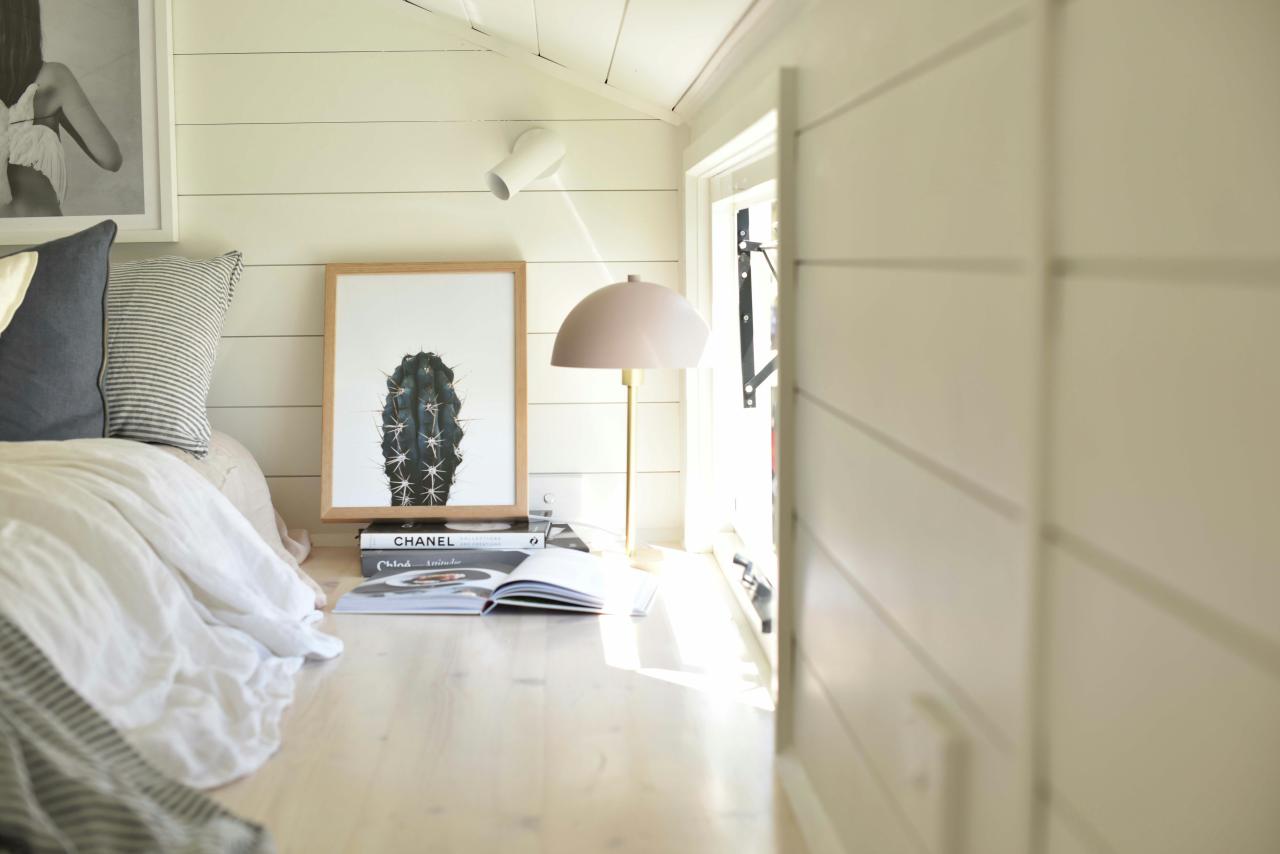
The architectural layout of a modern home relies heavily on the strategic capture and distribution of natural sunlight to create a vibrant living environment. For many decades, residential design often prioritized privacy and structural density over the biological need for bright, open spaces, resulting in rooms that felt cramped and dim.
This traditional model of dark interiors forced homeowners to rely on artificial lighting even during the middle of a clear, sunny day. However, the emergence of advanced glazing technologies and smart reflective surfaces offers a revolutionary way to brighten every corner of your property without major renovations.
This transition represents a monumental shift from viewing windows as simple openings to seeing them as powerful energy-harvesting tools for your mental health. We are entering an era where daylighting optimization and visual transparency serve as the primary foundations for high-performance and luxury interior design.
This innovation addresses the critical challenge of high electricity costs and seasonal mood changes by bringing the brilliance of the sun deep into the heart of the house.
By mastering the art of light maximization, you can transform a gloomy room into a glowing sanctuary that feels significantly larger and more inviting. This article explores the most effective and proven strategies to enhance natural illumination while optimizing your home’s aesthetic appeal and daily functional comfort.
The Science of Reflective Surface Strategy

The colors and textures you choose for your walls and floors act as a massive mirror system that either absorbs or bounces sunlight throughout the room. Using high-gloss finishes and pale tones can increase the brightness of a space by up to thirty percent without adding a single extra window.
I believe that “chromatic amplification” is the best way to solve the problem of dark corridors and windowless corners in older building structures.
You solve the problem of light absorption by replacing heavy, dark matte paints with satin-finish whites or very light grays. This perspective turns your entire room into a light-distributing machine that maximizes every single photon entering from the outside world.
A. High Light Reflectance Value Paints
Selecting paints with a high Light Reflectance Value (LRV) ensures that the maximum amount of visible light reflects back into the space. Pure whites and cool pastels are the most effective choices for bouncing light across a room and making low ceilings feel much higher.
B. Glossy and Metallic Accents
Integrating polished metals, glass tiles, and lacquered furniture pieces creates “glint points” that scatter light in multiple directions. This adds a layer of sophisticated visual interest while actively contributing to the overall luminosity of your interior design.
C. Polished Flooring Solutions
Light-colored hardwood with a semi-gloss finish or polished stone tiles can reflect sunlight upward, brightening the undersides of furniture and dark corners. This ground-up approach to lighting creates a more even distribution of brightness and eliminates harsh, unappealing shadows.
Strategic Mirror Placement for Depth and Glow
Mirrors are essentially “fake windows” that can double the amount of light in a room when you position them directly opposite a primary light source. By catching the rays from a window and throwing them into the darker parts of the house, you create a sense of endless space.
My new perspective is that “optical doubling” is the secret to solving the problem of claustrophobia in small urban apartments and narrow studios.
You solve the problem of limited views by using oversized mirrors that fool the brain into seeing a larger, brighter environment. This perspective allows you to enjoy the benefits of a sun-drenched room even if you only have one small window to work with.
A. Window-Facing Mirror Installations
Hanging a large, decorative mirror directly across from your largest window captures the outdoor scenery and the sky, pulling them inside your living space. This creates a powerful visual connection to the outside world while significantly boosting the ambient light levels during the day.
B. Mirrored Backsplashes and Paneling
In kitchens and bathrooms, using mirrored tiles or backsplashes can illuminate countertops that are usually hidden under cabinets. This makes food preparation safer and more enjoyable by providing plenty of natural light exactly where you need it most.
C. Full-Height Mirrored Walls
In narrow hallways or small bedrooms, a floor-to-ceiling mirror can make the wall seemingly disappear, creating a sense of transparency. This architectural trick is a favorite among luxury designers to make modest properties feel like expansive estates.
Optimizing Window Treatments for Light Control
Many homeowners accidentally block their own light by using heavy, dark curtains that cover the glass even when they are supposedly “open.” Switching to smart window treatments allows you to maintain your privacy while letting in the maximum amount of usable daylight.
I suggest that “translucent layering” is the ultimate tool for solving the problem of the “all or nothing” lighting approach that forces people to sit in the dark for privacy.
You solve the problem of harsh glare by using sheer fabrics that diffuse the sun’s rays into a soft, beautiful glow. This perspective gives you total control over the atmosphere of your room without sacrificing the connection to the natural environment.
A. Sheer and Solar Shades
These lightweight fabrics allow you to see the view outside while blocking UV rays and softening the intensity of the direct sun. They act as a giant lamp shade for your window, filling the room with a gentle, even light that is perfect for reading or working.
B. Top-Down Bottom-Up Blinds
This clever design allows you to lower the top of the blind to let in light and sky views while keeping the bottom half closed for privacy. This is the perfect solution for street-level windows or bathrooms where you want the sun but not the prying eyes of neighbors.
C. Recessed Curtain Tracks
Mounting your curtain rods wider than the window frame allows the fabric to sit entirely on the wall when the curtains are open. This ensures that every square inch of the glass is exposed, maximizing the solar gain and the view for your family.
Utilizing Glass Doors and Internal Partitions
Solid interior doors and walls act as barriers that stop the flow of light, often leaving internal rooms like hallways and pantries in total darkness. Replacing solid wood with frosted or clear glass partitions allows light to travel through the entire house from front to back.
I believe that “visual porosity” is the best way to solve the problem of “dead zones” in the center of deep floor plans.
You solve the problem of isolated dark rooms by letting the light from your sunniest windows leak into every other part of the building. This perspective creates a more social and open atmosphere that feels cohesive and naturally energized.
A. French Doors and Glass Inserts
Replacing a standard bedroom or office door with a French door style allows light to move between spaces even when the door is closed. This maintain’s acoustic privacy while ensuring that no room is ever completely cut off from the sun’s natural energy.
B. Glass Block and Transom Windows
Adding a small window above a door frame (a transom) or using glass blocks in a partition wall pulls light into high-privacy areas like bathrooms. These features add a classic architectural touch while providing functional illumination that saves money on your light bill.
C. Glass Staircase Balustrades
Traditional wooden banisters can block a surprising amount of light in the center of a home’s vertical circulation. Switching to clear glass panels allows the light from upstairs windows to pour down into the lower levels, brightening the entire core of the house.
The Impact of Furniture Layout on Light Flow
The way you arrange your furniture can either encourage the flow of light or create massive “shadow dams” that make a room feel smaller. Placing large, bulky items like wardrobes or high-backed sofas directly in front of windows is a common mistake that kills the room’s energy.
My new perspective is that “low-profile staging” is the secret to solving the problem of a cluttered and dim living environment. You solve the problem of light obstruction by choosing furniture that sits low to the ground and features “leggy” designs that allow light to pass underneath.
This perspective ensures that the sun can reach every corner of the floor, making the entire space feel airy and lightweight.
A. Open-Base Furniture Design
Chairs and tables with thin metal or wooden legs create a sense of “transparency” compared to heavy, solid-base furniture. This allows the sunlight to travel further into the room and prevents the formation of large, dark patches on your rugs or floors.
B. Transparent Acrylic and Glass Pieces
Using “ghost chairs” or glass coffee tables removes visual weight from the room and lets the light pass through the object entirely. This is an incredible strategy for small rooms where you need functionality without the visual bulk of traditional furniture.
C. Decluttered Window Sills
Keeping your window sills free of large plants or heavy decor ensures that nothing interferes with the entry of the sun’s rays. A clean window area looks more modern and allows for the maximum possible “wash” of light across the adjacent walls.
Professional Daylighting with Skylights and Tubes
In rooms where traditional windows are impossible, such as central bathrooms or walk-in closets, professional daylighting systems can bring the sun inside. Solar tubes use highly reflective pipes to “pipe” sunlight from your roof down into any room in your house.
I suggest that “vertical light harvesting” is the ultimate tool for solving the problem of “dark cores” in large or multi-story homes. You solve the problem of artificial light dependency by installing a system that provides free, natural brightness even in the basement.
This perspective adds significant value to your property by making every single room feel like it has its own private connection to the sky.
A. Tubular Daylighting Devices
These systems occupy very little space on your roof and can be installed in a single day, providing an incredible amount of light to a dark hallway or pantry. They are much more energy-efficient than traditional skylights because they lose very little heat in the winter.
B. Velux and Roof Window Solutions
In attic conversions or top-floor rooms, roof windows provide a direct view of the sky and a massive amount of high-intensity light. They can make a small, sloped-ceiling room feel like a luxury penthouse by opening up the vertical dimension of the space.
C. Light Well Architecture
In high-end modern design, carving out a vertical shaft or “light well” in the center of the building brings light and fresh air to every floor. This architectural feature creates a stunning focal point and ensures that the building breathes and glows from the inside out.
Using Nature to Filter and Direct Light
The landscape outside your windows plays a huge role in the quality and quantity of light that enters your home during the different seasons. Deciduous trees provide shade in the summer when the sun is harsh and drop their leaves in the winter to let the warmth in.
I believe that “botanical light management” is the best way to solve the problem of high cooling costs and faded furniture. You solve the problem of “flat” light by using the leaves of plants to create dappled, moving patterns that bring the room to life.
This perspective turns your garden into a functional part of your home’s lighting design, creating a beautiful and ever-changing interior atmosphere.
A. Deciduous Tree Placement
Planting trees like Maples or Oaks on the south side of your home provides natural air conditioning during the hottest months. In the winter, the bare branches allow the low sun to reach deep into your house, providing free heat and light.
B. Privacy Hedges and Light Diffusion
Tall, thin hedges can act as a natural screen that blocks prying eyes while still allowing soft, green-tinted light to filter into your windows. This is much more attractive than a solid fence and contributes to a healthier, biophilic living environment.
C. Climbing Plants and Pergolas
Using vines on a pergola outside a glass door allows you to control the light seasonally and adds a beautiful, organic texture to the view. This creates a “transition zone” between the inside and outside that makes your living room feel like a part of the garden.
Conclusion

Bright rooms represent a modern breakthrough in home design, replacing outdated dark environments with innovative light-tracking tools that significantly improve your well-being.
By prioritizing visual flow and smart lighting plans, you can effectively eliminate the stress of dark spaces while reducing costs and creating a safer living environment.
Taking immediate action to adopt these bright solutions empowers you to reclaim your time, grow your personal wealth, and secure a successful future for your household.
The path toward a clear and productive lifestyle starts with small steps in lighting automation that fuel your long-term growth and ultimate freedom.

