


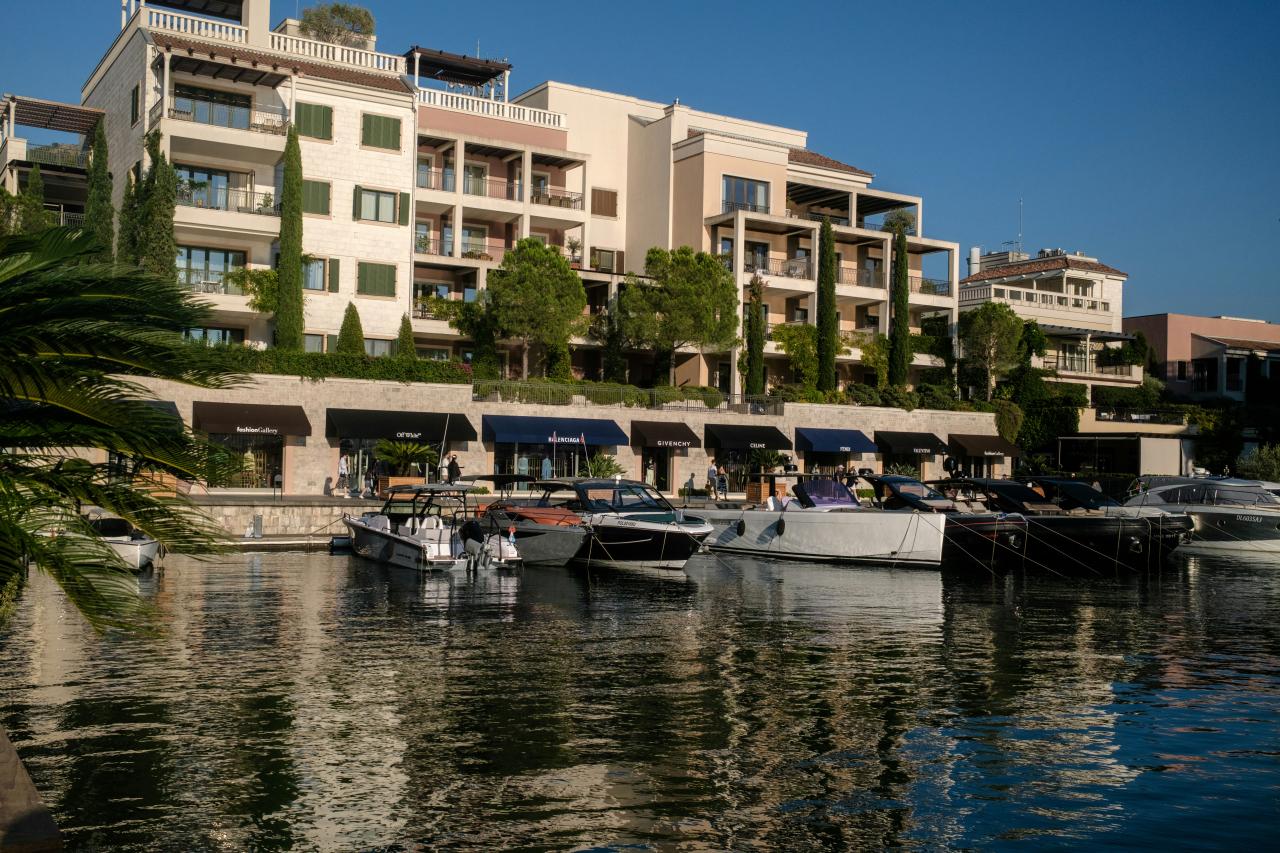
The evolution of high-end real estate has reached a fascinating intersection where environmental stewardship meets absolute architectural opulence. For many decades, waterfront luxury was defined by massive consumption and a disregard for the delicate coastal ecosystems that provided the beautiful views.
This traditional model of building often resulted in significant erosion, habitat loss, and homes that required immense energy to stay cool under the direct sun. However, the emergence of regenerative architecture and passive design now offers a revolutionary way to enjoy the shoreline while actually protecting the coast.
This transition represents a monumental shift from a purely aesthetic appreciation of the water to a deeply integrated biological relationship with the tides. We are entering an era where living shorelines and energy-independent systems serve as the primary foundations for a prestigious and future-proof lifestyle.
This innovation addresses the critical challenge of rising sea levels and intense coastal storms by providing structures that are both resilient and exceptionally beautiful.
By mastering the latest trends in sustainable luxury, you can transform your waterfront property into a self-sustaining sanctuary that grows in value as it ages. This article explores the most effective and proven methods to build a modern coastal home while optimizing comfort, privacy, and ecological harmony.
Integrating Living Shorelines and Natural Barriers

Traditional concrete sea walls often fail because they bounce wave energy back into the ocean, which speeds up the erosion of neighboring beaches. Modern luxury homes now utilize “living shorelines” made of native plants, oyster reefs, and natural stone to absorb wave energy gently.
I believe that “biological coastal buffering” is the best way to solve the problem of land loss without creating an ugly, industrial barrier between you and the water.
You solve the problem of property decay by letting nature build a self-repairing wall that also provides a home for local marine life. This perspective turns your private beach into a thriving ecosystem that protects your investment while looking completely organic and lush.
A. Mangrove and Salt-Marsh Restoration
Planting native species creates a dense root system that traps sediment and naturally builds up your shoreline over time. This green barrier acts as a shock absorber during storm surges, protecting your home’s foundation far better than a static wall of stone.
B. Oyster Reef and Rip-Rap Bases
Placing porous rock and oyster shells below the water line encourages the growth of natural filters that clean the water in front of your home. These structures break the force of the waves before they reach the land, keeping your sand exactly where it belongs.
C. Soft Engineering Walkways
Instead of solid docks that block sunlight from reaching the seabed, sustainable homes use perforated materials that allow the sun to nourish underwater grasses. This ensures that the water around your property remains clear and full of life, maintaining the high-end appeal of the location.
Mastering Solar Gain and Passive Cooling
Waterfront homes face the unique challenge of intense sunlight reflecting off the water, which can quickly overheat a house even in cooler climates. Sustainable design uses strategic overhangs, high-performance glazing, and natural ventilation paths to maintain a perfect temperature without running the air conditioning constantly.
My new perspective is that “solar geometry” is the secret to solving the problem of astronomical electricity bills and the “greenhouse effect” inside glass-walled homes.
You solve the problem of heat gain by using the wind from the water to naturally flush out hot air through clever window placements. This perspective allows you to enjoy panoramic views through massive windows while keeping the interior cool and comfortable for everyone inside.
A. Deep Cantilevered Rooflines
Architects design large roof overhangs that block the high, hot summer sun but allow the low winter sun to warm the interior floors. This mechanical-free temperature control saves energy and protects your expensive art and furniture from fading due to direct UV exposure.
B. Cross-Ventilation Wind Corridors
By aligning windows on the waterfront side with openings on the landward side, you create a natural vacuum that pulls cool breezes through the house. This constant air movement reduces humidity and makes the indoor-outdoor transition feel seamless and refreshing.
C. Electrochromic Smart Glazing
Modern glass can automatically tint itself based on the intensity of the sun, blocking heat while remaining perfectly transparent. This high-tech solution ensures that you never lose your view to blinds or curtains, even during the brightest hours of the day.
Decentralized Water Systems and Desalination
Living on the water doesn’t always mean you have access to clean, fresh water, especially in remote coastal areas where municipal lines are unreliable. Luxury sustainable homes now feature integrated rainwater harvesting and small-scale desalination plants to ensure total water independence.
I suggest that “hydrological autonomy” is the ultimate tool for solving the problem of water scarcity and the high cost of trucking in fresh water.
You solve the problem of resource management by treating every drop of rain as a valuable asset that feeds your garden and flushes your toilets. This perspective provides total peace of mind during droughts and ensures that your lush landscape stays green regardless of local water restrictions.
A. Advanced Gray-Water Recycling
The system captures water from sinks and showers, filters it through a series of natural membranes, and uses it to irrigate the landscape. This circular water economy reduces your total consumption by up to fifty percent and prevents nutrient-rich runoff from entering the ocean.
B. Atmospheric Water Generators
In humid coastal environments, these machines can pull pure drinking water directly out of the air using very little electricity. This provides a backup source of the cleanest possible water that is completely independent of the ground or the sea.
C. Sub-Surface Rainwater Bladders
Instead of large, ugly tanks, high-end homes hide massive storage bladders underneath the driveway or garden. These systems catch rain from the roof, keeping your property self-sufficient while maintaining a clean and minimalist architectural aesthetic.
Resilience Through Elevated Amphibious Architecture
With sea levels fluctuating, the most secure luxury homes are those designed to withstand occasional flooding without suffering any structural damage. This involves elevating the living spaces on elegant pylons or even using “amphibious” foundations that allow a house to float during extreme tides.
I believe that “dynamic elevation” is the best way to solve the problem of flood insurance hikes and the constant fear of water damage.
You solve the problem of coastal vulnerability by designing a ground floor that can get wet and dry out quickly without any mold or rot. This perspective turns a potential disaster into a minor event, ensuring your home remains the safest place for your family.
A. Hydrostatic Foundation Design
Some homes now sit in a “dock” that allows the entire structure to rise as the water comes in, then settle back down perfectly as the tide recedes. This mechanical marvel ensures that your home remains dry even during the worst storm surges recorded in your area.
B. Sacrificial Ground Floors
By placing garages and storage on the ground level and living spaces above, you create a buffer zone that protects your valuables. These lower levels use waterproof materials like polished concrete and marine-grade stainless steel for easy cleaning after a high-tide event.
C. Reinforced Pile Foundations
Deep-drilled pylons anchored into the bedrock provide a stable base that resists the shifting sands and the pressure of moving water. This engineering ensures that your home stays level and secure for many generations, regardless of the changing coastline.
Energy Independence with Tidal and Solar Synergy
Sustainable luxury homes often generate more power than they consume by combining rooftop solar panels with small, underwater tidal turbines. This hybrid approach ensures that the house stays powered even at night or during cloudy weather, as the tides never stop moving.
My perspective is that “multi-source energy harvesting” is the secret to solving the problem of power outages during coastal storms.
You solve the problem of grid dependence by turning your property into a micro-power plant that can store energy in massive home batteries. This perspective gives you the freedom to run your luxury appliances and pool heaters without feeling any “eco-guilt” about your energy footprint.
A. Bifacial Solar Glass Arrays
Unlike traditional panels, these glass tiles capture light from both sides, including the reflection off the water and the sand. This increases your energy yield significantly, allowing you to power a large estate with a much smaller footprint on your roof.
B. Micro-Tidal Stream Turbines
Small, silent turbines placed near your dock or sea wall can harvest the constant flow of the tides to generate a steady stream of electricity. This baseload power is more reliable than wind or sun, providing a constant trickle of energy to keep your essential systems running.
C. Solid-State Battery Storage
High-capacity batteries hidden in the basement store the excess energy generated during the day for use at night. These systems are much safer and more durable than traditional lithium batteries, providing a reliable source of power that lasts for decades.
Using Regenerative Materials for Coastal Longevity
The salt-heavy air near the ocean is incredibly corrosive, often destroying traditional building materials like wood and low-grade steel in just a few years. Sustainable luxury homes prioritize materials like carbon-sequestering concrete, acetylated wood, and recycled marine-grade aluminum.
I suggest that “material durability” is the ultimate tool for solving the problem of high maintenance costs and the constant need for repainting and repairs.
You solve the problem of corrosion by choosing materials that actually get stronger or develop a protective patina when exposed to the elements. This perspective ensures that your home looks better with age, developing a unique coastal character that requires very little manual effort to maintain.
A. Acetylated High-Performance Wood
This treated wood becomes virtually rot-proof and swell-proof, making it perfect for decks and siding that sit directly over the water. It offers the beauty of natural timber without the need for toxic stains or frequent replacements that damage the ecosystem.
B. Carbon-Negative Bio-Concrete
This innovative concrete actually pulls CO2 out of the atmosphere as it cures and is far more resistant to salt-water penetration than standard mixtures. Using it for your foundation reduces your home’s carbon footprint while providing a rock-solid base that lasts forever.
C. Recycled Aluminum and Zinc
These metals develop a natural oxide layer that protects them from the salty air, making them the perfect choice for roofing and window frames. They are also 100% recyclable, ensuring that your home’s exterior remains sustainable even if it is eventually dismantled or renovated.
Smart Landscaping for Salt-Spray Resilience
The gardens surrounding a waterfront home must withstand high winds, salt spray, and occasional flooding while still looking like a high-end oasis. Sustainable landscaping focuses on “halophytes” or salt-tolerant native plants that require no fresh-water irrigation once they are established.
I believe that “xeriscaping for the coast” is the best way to solve the problem of dying plants and the constant need for chemical fertilizers.
You solve the problem of garden maintenance by working with the local environment rather than trying to force a suburban lawn into a beach setting. This perspective creates a low-maintenance, beautiful landscape that protects the local dunes and provides a habitat for migrating birds.
A. Native Grass and Dune Restoration
Sea oats and bitter panicum have deep root systems that hold the sand in place, preventing your yard from washing away during a storm. These grasses create a beautiful, waving texture that perfectly complements the sound of the ocean and requires zero mowing.
B. Natural Salt-Mist Filtration
Planting a “screen” of salt-tolerant shrubs on the windward side of your property catches the salt spray before it reaches your windows and more sensitive plants. This strategic planting keeps your glass cleaner and creates a more sheltered micro-climate for your outdoor living areas.
C. Permeable Pavers and Sand Paths
Instead of solid asphalt or concrete driveways, sustainable luxury homes use porous materials that allow rainwater to soak back into the ground. This prevents “runoff” from carrying pollutants into the ocean and helps maintain the local groundwater levels.
The Future of Circular Coastal Living
A truly sustainable luxury home doesn’t just minimize its impact; it actively improves the environment around it by filtering water and supporting local wildlife. This “circular” approach ensures that your presence on the coast is a net positive for the planet while providing you with an unmatched level of comfort.
My new perspective is that “regenerative luxury” is the secret to solving the problem of environmental guilt and the fear of losing your home to climate change.
You solve the problem of future uncertainty by building a house that is as resilient as the coastline itself. This perspective allows you to enjoy the ultimate waterfront lifestyle with a clear conscience and a secure long-term investment.
A. Integrated Fish and Bird Sanctuaries
Designing small nooks and nesting boxes into your architecture encourages local species to return to your part of the shoreline. This brings the beauty of wildlife directly to your doorstep, providing a living entertainment system that changes with the seasons.
B. Zero-Waste Home Management
Smart composting systems and high-tech recycling centers built into the kitchen ensure that no waste ever leaves your property to pollute the ocean. This level of self-sufficiency is a major trend among eco-conscious high-net-worth individuals who want to lead by example.
C. End-of-Life Deconstruction Planning
Architects now design luxury homes to be easily taken apart at the end of their long life, so the materials can be reused in new structures. This “cradle-to-cradle” thinking ensures that your legacy is one of sustainability and respect for the natural beauty of the water.
Conclusion

Waterfront homes represent a modern living revolution where innovative green tools and smart data tracking replace outdated coastal rules to ensure a safer lifestyle.
By integrating automation and efficient design, you can effectively eliminate common coastal stresses and high environmental risks while significantly reducing your long-term costs.
Taking immediate action to adopt these smart waterfront plans allows you to reclaim your time, grow your personal wealth, and secure a successful future for your household.
The path to a clear and high-performance lifestyle starts with small steps toward digital innovation that fuel your long-term growth and ultimate freedom.

