The way we build our living spaces is undergoing a massive transformation as we face global environmental challenges. For many decades, construction focused purely on speed and cost without considering the long-term impact on our natural ecosystems.
We are now entering an era where regenerative design allows us to create homes that actually give back more than they take. This evolution means your house can produce its own clean energy, recycle its own water, and even improve the local soil quality.
Modern green architecture uses natural materials and smart technology to create a perfect balance between human comfort and environmental health. By adopting these regenerative strategies, you can reduce your monthly utility bills while significantly lowering your personal carbon footprint.
This article explores the essential pillars of sustainable home design and how you can start your green journey right now. You will discover the practical secrets that turn a standard house into a living and breathing sanctuary for your family.
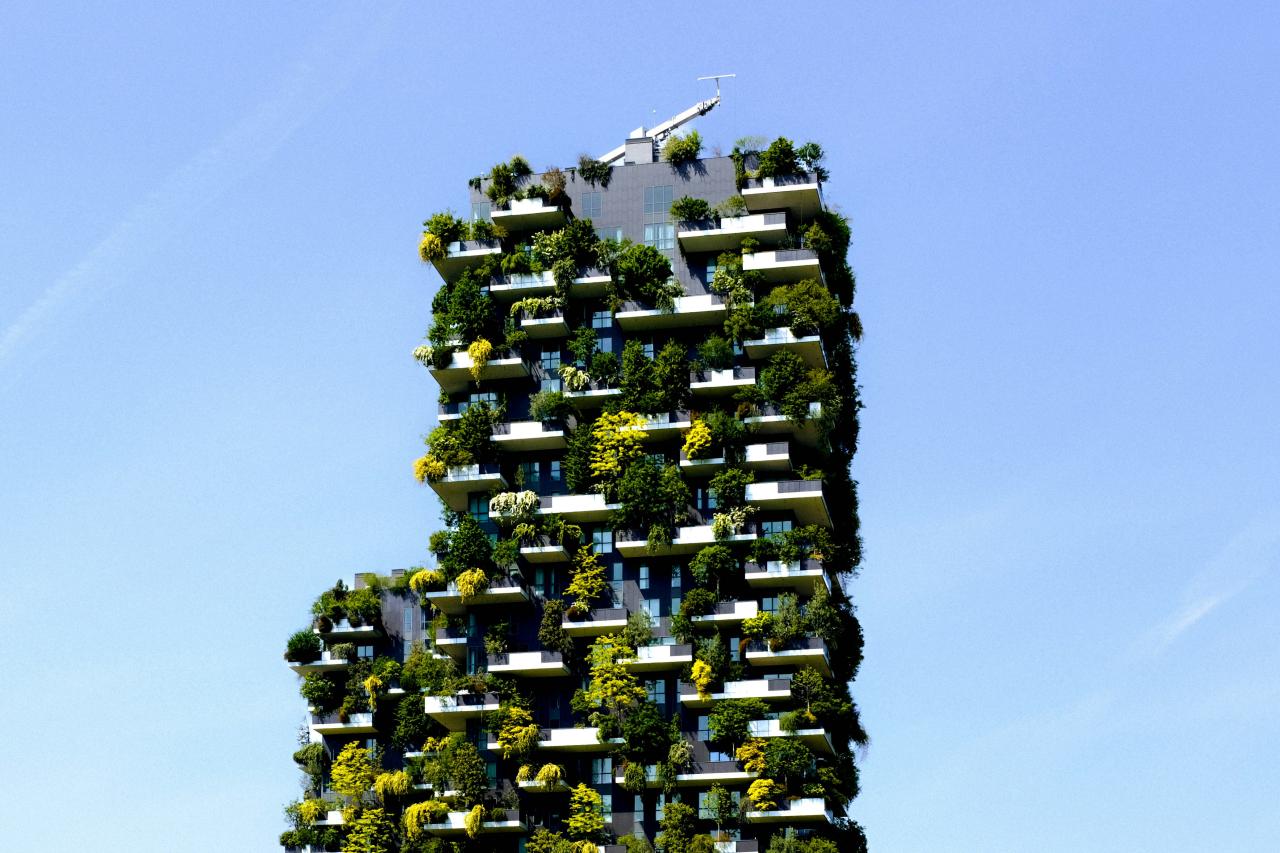
Designing a home for the future requires a smart strategy where you prioritize natural cycles over heavy industrial machinery. From understanding passive solar heating to mastering the art of vertical gardening, the depth of regenerative options is truly impressive for any modern homeowner.
You do not need a massive budget to start making eco-friendly changes if you know the right principles to apply. This guide breaks down complicated architectural concepts into easy and actionable tasks that you can perform in your own living space.
We will show you how to identify the best natural materials that stay cool in the summer and warm in the winter. You will discover why local biodiversity is often the most important factor in creating a truly sustainable and resilient property.
The goal is to build a home that works with nature instead of fighting against it every single day. Join us as we decode the art of regenerative design and help you master your own path to a greener lifestyle.
Implementing Passive Solar Design Principles
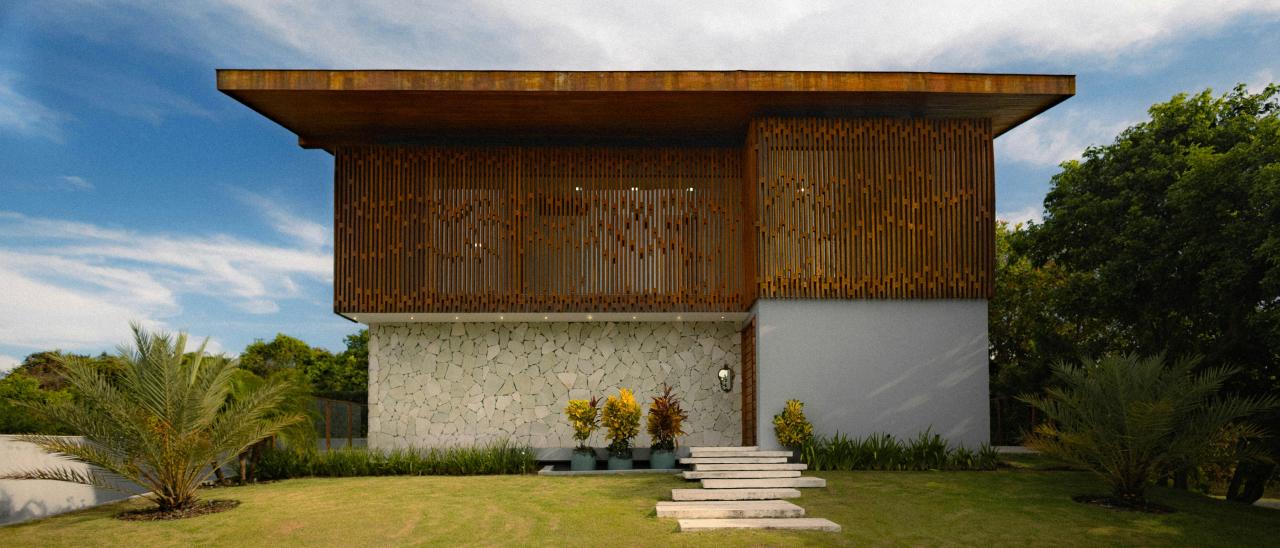
Passive solar design uses the natural movement of the sun to heat and cool your home without using any electricity. In the past, people built houses with windows facing random directions, which led to high energy bills for artificial climate control.
Now, savvy designers place large windows on the side of the house that receives the most sunlight during the cold winter months.
This “thermal mass” strategy allows walls and floors to absorb heat during the day and release it slowly at night. It is a fundamental shift toward “energy-free” comfort that keeps your living spaces bright and warm throughout the entire year.
A. Positioning your main living areas toward the equator to capture the maximum amount of natural sunlight and heat.
B. Using heavy materials like concrete, brick, or stone for floors and walls to store thermal energy effectively.
C. Installing deep roof overhangs or shading devices to block the hot summer sun while letting winter light inside.
D. Placing smaller windows on the side of the house that faces cold winds to prevent heat loss.
Many homeowners feel that their current house is “stuck” with a poor layout that cannot be changed. You can solve this “fixed structure” problem by adding heavy thermal curtains or installing reflective window films to manage heat gain.
Think of your windows as natural batteries that you can turn on or off depending on the weather outside your door. Taking control of the sun’s path is the smartest way to achieve a high level of comfort with zero environmental cost.
Using Non-Toxic And Regenerative Building Materials
The materials we use to build our walls and roofs have a massive impact on the health of the planet and our bodies. Traditional construction often relies on plastics and chemical-heavy paints that release harmful gasses into your indoor air over many years.
Regenerative design encourages the use of “living materials” like hempcrete, bamboo, and rammed earth that are fully biodegradable.
These materials are often sourced locally, which reduces the pollution caused by transporting heavy supplies over long distances. Choosing natural finishes creates a breathable home environment that feels much more connected to the earth.
A. Opting for bamboo flooring instead of traditional hardwood because bamboo grows back much faster and absorbs more carbon.
B. Using clay or lime-based paints that do not contain volatile organic compounds to keep your indoor air clean.
C. Incorporating recycled metal or reclaimed wood to give a second life to materials that would otherwise go to waste.
D. Exploring straw bale insulation as a high-performance and natural alternative to fiberglass or foam products.
The biggest challenge for most builders is finding a balance between modern durability and ancient natural building techniques. You solve this “durability gap” by using natural materials for the interior finishes where they provide the most health benefits to your family.
You don’t have to build an entire house out of mud to enjoy the perks of sustainable and regenerative design choices. Start by replacing one synthetic material with a natural alternative during your next small home renovation or repair project.
Creating Closed-Loop Water And Waste Systems
A truly regenerative home treats water as a precious resource that should be used multiple times before returning to the earth. In the past, we treated all household water as “waste” and sent it directly into the sewer system after just one use.
Modern eco-homes use “greywater” systems to take water from your shower or sink and use it to water your garden or flush toilets.
You can also install rainwater harvesting tanks to collect free water from your roof for use during dry summer months. This creates a “closed-loop” system where nothing is wasted and your garden stays lush without using any city water.
A. Installing a rainwater collection system to capture and store water for irrigation and outdoor cleaning tasks.
B. Using low-flow faucets and showerheads to significantly reduce your total daily water consumption without losing any pressure.
C. Building a “living machine” or a small wetland to naturally filter and clean your household greywater for reuse.
D. Implementing a composting toilet or a kitchen compost bin to turn organic waste into rich soil for your plants.
Many urban residents think that advanced water recycling is only possible for large rural farms with lots of space. You can solve this “spatial limitation” by installing small, modular greywater filters that fit right under your kitchen or bathroom sink.
Even a simple rain barrel attached to your gutter can provide enough water for all your indoor houseplants and balcony flowers. Every drop you save helps protect the local water table and reduces the energy used by your city’s treatment plants.
Conclusion
Sustainable living represents a revolutionary breakthrough in residential sovereignty, replacing resource-heavy lifestyles with innovative eco-friendly systems and natural designs that ensure your home environment wins today.
By integrating passive solar heating and rainwater harvesting into your daily digital and physical flow, you can effectively eliminate utility-cost stress and environmental waste while benefiting from the increased vitality of breathing clean, naturally filtered air.
Taking immediate action to adopt organic waste cycles like composting and garden integration allows you to reclaim your connection to the earth, grow your personal well-being, and secure a safer future through disciplined, small-scale environmental shifts.
The path to a successful and high-performance lifestyle is clear when you use regenerative technology and natural materials as your primary tools to fuel personal growth and achieve ultimate freedom starting today.