The concept of a home spa has evolved from a simple luxury bathroom into a dedicated sanctuary for holistic mental and physical restoration. For many decades, residential bathrooms focused purely on utility and basic hygiene, often featuring cold tiles and harsh lighting that felt more clinical than relaxing.
This traditional model of bathroom design ignored the deep psychological impact that our environment has on our daily stress levels and overall vitality.
However, the emergence of biophilic materials and advanced hydrotherapy technology now offers a revolutionary way to bring a professional wellness experience directly into your primary suite.
This transition represents a monumental shift from viewing self-care as an occasional external appointment to seeing it as a vital daily ritual integrated into your living space.
We are entering an era where sensory orchestration and ergonomic sanctuary design serve as the primary foundations for a balanced and high-performance lifestyle. This innovation addresses the critical challenge of chronic burnout by providing a private escape where the body can heal and the mind can find absolute stillness.
By mastering the art of wellness-focused design, you can transform your property into a restorative retreat that adds immense value to your life and your estate. This article explores the most effective and proven strategies to build a luxury home spa while optimizing your environment for maximum peace and long-term health.
The Power of Chromotherapy and Lighting Design
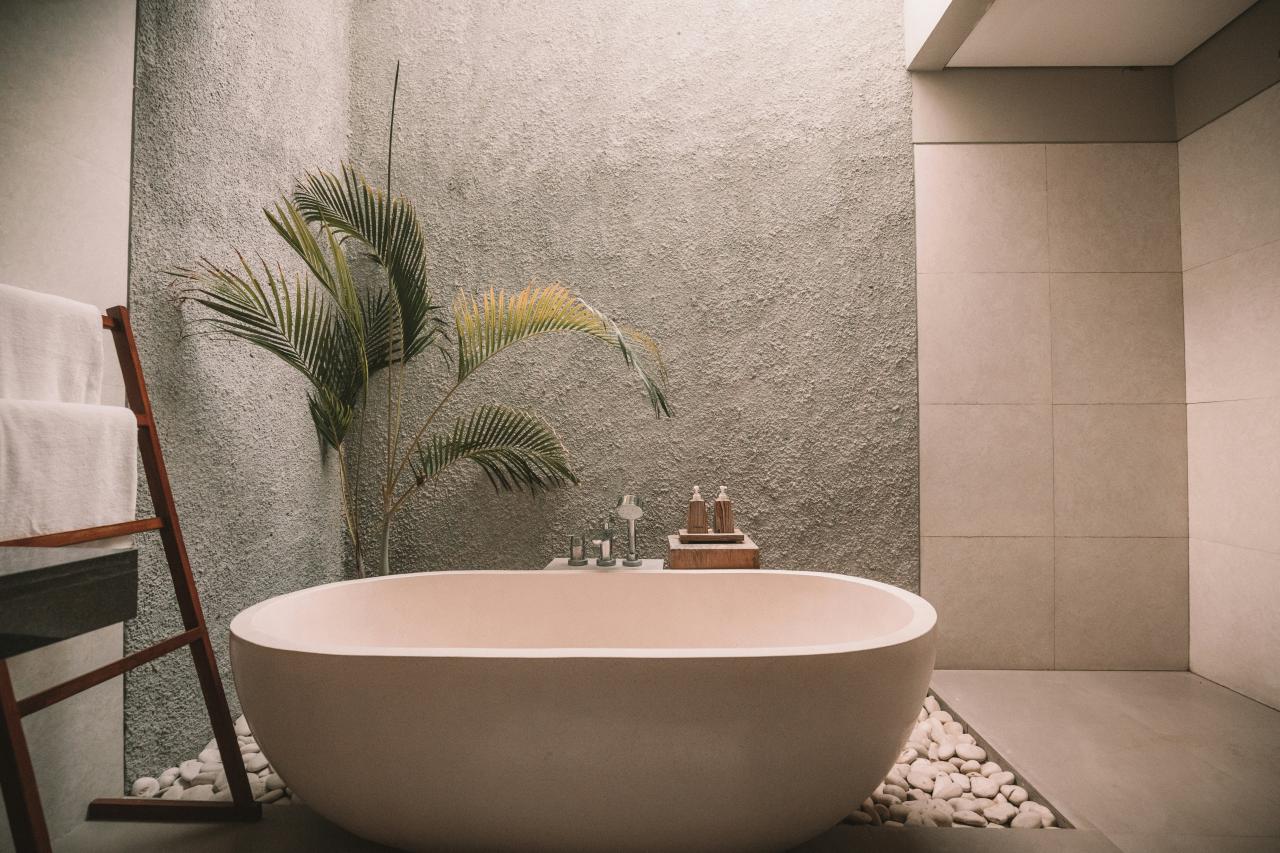
Lighting serves as the most critical element in shifting your brain from an alert state to a deep relaxation mode within seconds of entering a spa. Instead of using a single bright overhead light, you should install layered lighting systems that allow for custom color tuning and soft dimming.
I believe that “circadian synchronization” is the best way to solve the problem of evening anxiety and poor sleep quality caused by harsh blue light.
You solve the problem of a sterile atmosphere by using warm, amber tones that trigger the body’s natural production of melatonin for better rest. This perspective turns your bathroom into a biological tool that helps reset your internal clock every single night.
A. RGB LED Integrated Showers
These systems allow you to bathe in specific colors like blue for calming or green for balance, which practitioners believe influences your emotional energy. The light becomes part of the water itself, creating a mesmerizing visual experience that helps clear the mind of daily clutter.
B. Recessed Perimeter Lighting
Placing light strips along the floor or ceiling edges prevents harsh shadows and mimics the soft, diffused glow of a natural sunrise or sunset. This indirect approach to illumination makes the room feel much larger and significantly more luxurious without overwhelming the senses.
C. Voice-Activated Mood Scenes
Integrating your lights with a smart home system allows you to change the entire atmosphere with a simple voice command or a quick tap on a waterproof screen. You can instantly switch from a bright morning “Energize” mode to a dim, purple “Midnight Soak” setting effortlessly.
Mastering Hydrotherapy and Advanced Shower Systems
Modern hydrotherapy uses varied water pressure and temperature cycles to stimulate blood flow and speed up muscle recovery after a long day. High-end home spas now feature multi-jet showers and steam functions that provide the same benefits as a five-star commercial wellness center.
My new perspective is that “thermal contrast therapy” is the secret to solving the problem of chronic muscle tension and inflammation in the body.
You solve the problem of physical fatigue by alternating between hot steam and cold mist to strengthen your immune system and boost your skin health. This perspective turns your daily shower into a professional-grade medical treatment that keeps your body feeling young and resilient.
A. Electronic Thermostatic Valves
These high-tech valves allow you to set the exact temperature of your water to the degree, ensuring you never experience an accidental cold shock or scalding heat. This precision allows for a perfectly consistent experience every time you step into the water, regardless of other water usage in the house.
B. Aromatherapy Steam Integration
Modern steam generators allow you to infuse the air with essential oils like eucalyptus or lavender to clear your sinuses and relax your respiratory system. The combination of moist heat and botanical scents creates a multi-sensory environment that effectively melts away mental stress.
C. Rainfall and Waterfall Showerheads
Using oversized heads that mimic natural rain provides a gentle, immersive sensation that traditional high-pressure nozzles cannot match. You can also install a waterfall feature that pours a heavy stream of water over your neck and shoulders to provide a deep-tissue massage effect.
Integrating Natural Materials and Biophilic Elements
Using organic materials like natural stone, cedar wood, and living plants helps ground your spa experience in the beauty of the natural world. These textures provide a tactile richness that synthetic plastics and cold metals simply cannot replicate, making the space feel warm and inviting.
I suggest that “tactile grounding” is the ultimate tool for solving the problem of the “clinical” feeling found in most standard residential bathrooms.
You solve the problem of a boring interior by using materials that age gracefully and possess their own unique, natural patterns and scents. This perspective allows you to feel connected to the earth while you are in your most private and vulnerable state.
A. Teak and Cedar Wood Accents
These woods are naturally resistant to moisture and release a beautiful, earthy fragrance when they get wet, acting as a permanent, natural air freshener. Using wood on the floor of a walk-in shower provides a soft, warm feeling underfoot that is much more comfortable than cold tile.
B. Natural Stone Sinks and Tubs
Carving a bathtub out of a single piece of granite or marble provides a massive thermal mass that keeps your water hot for a much longer period. These pieces act as permanent sculptures in your home, adding a sense of timeless luxury and incredible durability to your wellness sanctuary.
C. Living Moss Walls and Air Plants
Integrating greenery directly into your spa design improves air quality and provides a calming visual focus that reduces cortisol levels in the brain. Moss walls thrive on the humidity of a bathroom, requiring very little maintenance while providing a lush, forest-like backdrop.
The Importance of Acoustic Seclusion and Soundscapes
A true spa experience requires total silence or the presence of carefully curated natural sounds to block out the noise of the outside world. Installing waterproof speakers and using sound-dampening materials like cork or textured stone ensures that your sanctuary remains a quiet zone.
My new perspective is that “auditory isolation” is the secret to solving the problem of a busy mind and the constant distractions of a connected life.
You solve the problem of mental noise by creating a space where the only sound is the gentle bubble of water or the chirping of distant birds. This perspective treats your home spa as a digital-free zone where your brain can finally stop processing information and start resting.
A. Invisible In-Wall Speakers
Using transducers that hide behind the walls allows the music to vibrate through the surfaces, creating a sound that seems to come from everywhere at once. This removes the visual clutter of traditional speaker grilles and keeps the focus on the beautiful architectural finishes.
B. Sound-Absorbing Surface Textures
Using porous stones or textured tiles prevents echoes and creates a “soft” acoustic environment that makes every movement feel quiet and deliberate. This level of acoustic control is a hallmark of elite design and contributes significantly to the feeling of high-end seclusion.
C. Integrated Sound Machines
Built-in systems can play a loop of white noise, ocean waves, or forest sounds specifically designed to put the brain into a meditative theta-wave state. These soundscapes can be synchronized with your lighting and aromatherapy for a fully immersive wellness journey.
Ergonomic Design for Maximum Bodily Support
Luxury is often found in the small details of how a space supports the human form, from the slope of a bathtub to the height of a heated bench. Every element of your home spa should be designed to reduce physical strain and allow for absolute comfort during long periods of relaxation.
I believe that “anatomical optimization” is the best way to solve the problem of back pain and joint stiffness during self-care rituals.
You solve the problem of discomfort by choosing tubs that are shaped to follow the curve of the spine and benches that allow for a natural seated position. This perspective ensures that you leave your spa feeling physically refreshed rather than stiff or sore.
A. Heated Benches and Loungers
Installing radiant heating wires inside your stone or tile benches provides a deep, penetrating warmth that relaxes muscles instantly upon contact. This is especially beneficial in a steam room or a walk-in shower where you want to sit and enjoy the water for a long time.
B. Sloped Bathtub Ergonomics
High-end tubs feature integrated armrests and sloped backs that prevent you from sliding down or straining your neck while soaking. These designs allow you to stay submerged in hot water comfortably for thirty minutes or more, maximizing the benefits of the bath.
C. Flush-Entry and Curbless Design
Removing the “lip” or curb of a shower creates a seamless visual flow and makes the space much safer and more accessible for everyone. This minimalist approach is a key trend in luxury architecture, emphasizing a clean and unobstructed living environment.
Sensory Aromatherapy and Scent Orchestration
The sense of smell has a direct connection to the emotional center of the brain, making it a powerful tool for instant mood modification. Professional home spas use integrated diffusion systems that release precise amounts of essential oils into the air or the water stream.
I suggest that “olfactory layering” is the ultimate tool for solving the problem of a stale or “musty” bathroom smell that ruins the spa vibe.
You solve the problem of environmental odor by using high-quality botanical extracts that refresh the air and improve your respiratory health. This perspective allows you to use scent as a trigger for relaxation, helping your brain recognize that it is time to shut down and rest.
A. HVAC-Integrated Diffusers
These systems connect directly to your home’s ventilation and can scent the entire spa area evenly without the need for candles or standalone units. This provides a consistent and subtle fragrance that stays at the perfect intensity for as long as you occupy the room.
B. Essential Oil Shower Infusions
Some modern showerheads allow you to insert a small capsule of organic oils that mixes with the water as you bathe. This provides a direct-to-skin aromatherapy experience that leaves you smelling great and feeling incredibly refreshed.
C. Scented Stone and Wood Materials
Certain types of natural stones and woods release their own pleasant aroma when exposed to heat and moisture. Using these materials provides a permanent, low-maintenance scent profile that adds to the authenticity and depth of your wellness sanctuary.
High-Tech Wellness Monitoring and Biofeedback
The future of home spas involves the use of sensors that monitor your heart rate, skin temperature, and even your stress levels as you relax. This data can be displayed on a smart mirror, allowing you to see the real-time physical benefits of your meditation or hydrotherapy session.
My new perspective is that “biological feedback” is the secret to solving the problem of ineffective self-care routines that don’t produce results.
You solve the problem of “guessing” your wellness by using hard data to adjust your water temperature or lighting for the best physiological impact. This perspective turns your spa into a high-tech lab where you can optimize your health with scientific precision.
A. Smart Mirrors with Health HUDs
A mirror that looks normal when off can transform into a digital display showing your daily health metrics and even guided meditation videos. This allows you to stay informed about your progress without needing to bring a distracting smartphone into your peaceful sanctuary.
B. In-Water Heart Rate Sensors
Advanced tubs can feature sensors that track your heart rate variability (HRV) as you soak, helping you determine exactly how long you need to stay in the water to reach peak relaxation. This level of data is becoming increasingly popular among high-performance athletes and busy executives.
C. Automated Wellness Scheduling
Your home’s AI can suggest a specific spa routine based on your sleep data from the previous night or your activity levels during the day. If the system detects high stress, it might automatically prepare a lavender-infused steam session and dim the lights to a calming blue.
Designing for a Digital-Free Mindset
In an age where we are constantly bombarded by notifications and screens, the most luxurious feature of a home spa is the total absence of digital noise. Designing your spa as a “Faraday cage” or simply a zone where electronics are discouraged is essential for true mental recovery.
I believe that “intentional disconnection” is the best way to solve the problem of the “always-on” culture that leads to mental exhaustion.
You solve the problem of digital distraction by creating a space so beautiful and engaging that you don’t feel the need to check your phone. This perspective ensures that your time in the spa is a pure, uninterrupted dialogue between your mind and your body.
A. Recessed Phone Lockers
Installing a small, heated locker outside the spa room encourages you and your guests to leave your devices behind before entering the sanctuary. This physical barrier helps create a mental boundary that signifies the start of your private “offline” time.
B. Analog Focal Points
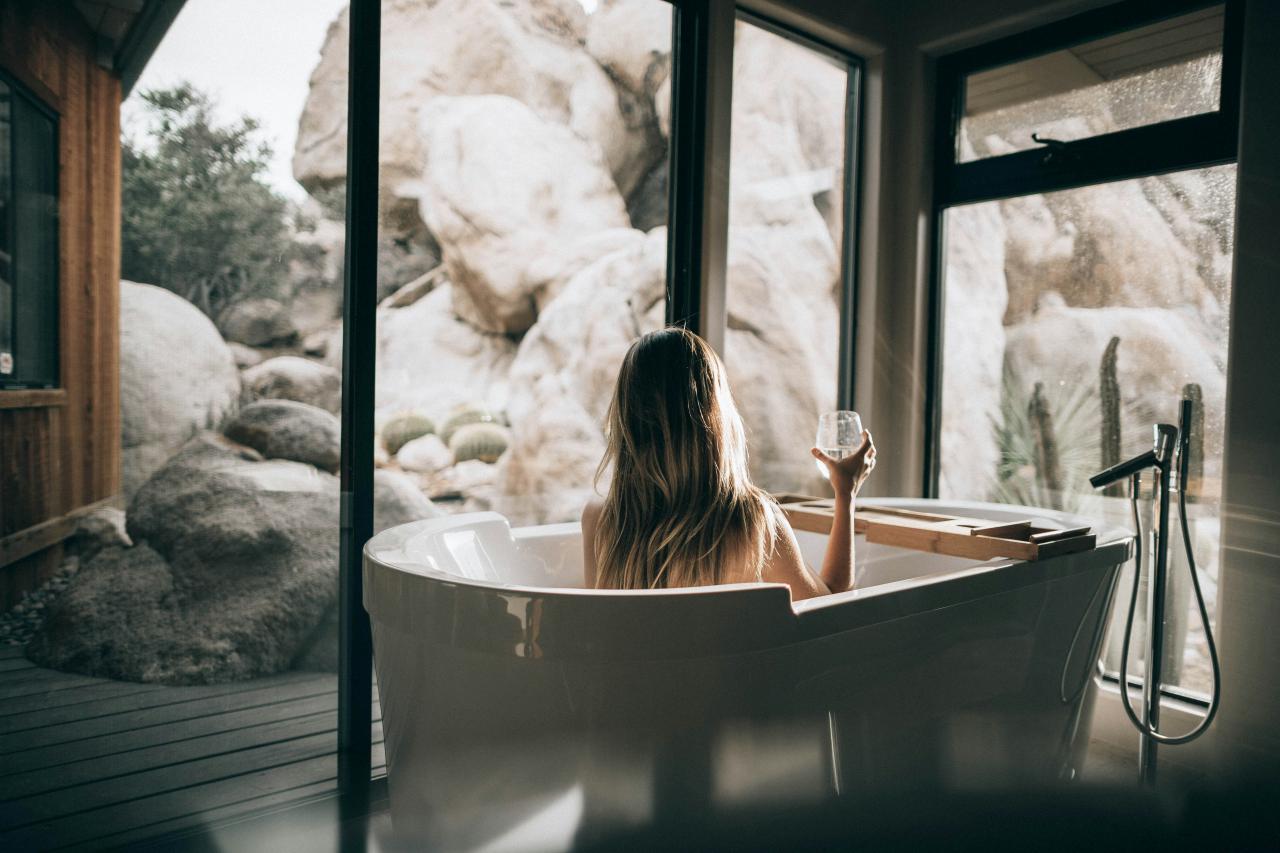
Instead of a TV, focus the room around a large window with a view of nature, a slow-burning fire pit, or a beautiful piece of physical art. These “low-tech” focal points encourage deep thinking and allow the eyes to rest from the strain of glowing digital screens.
C. Silent Plumbing Technology
High-end spas use specialized pipes and silent drainage systems to ensure that the only sound you hear is the one you chose. This attention to acoustic detail prevents the distracting noise of toilets flushing or water rushing through walls in other parts of the house.
Conclusion
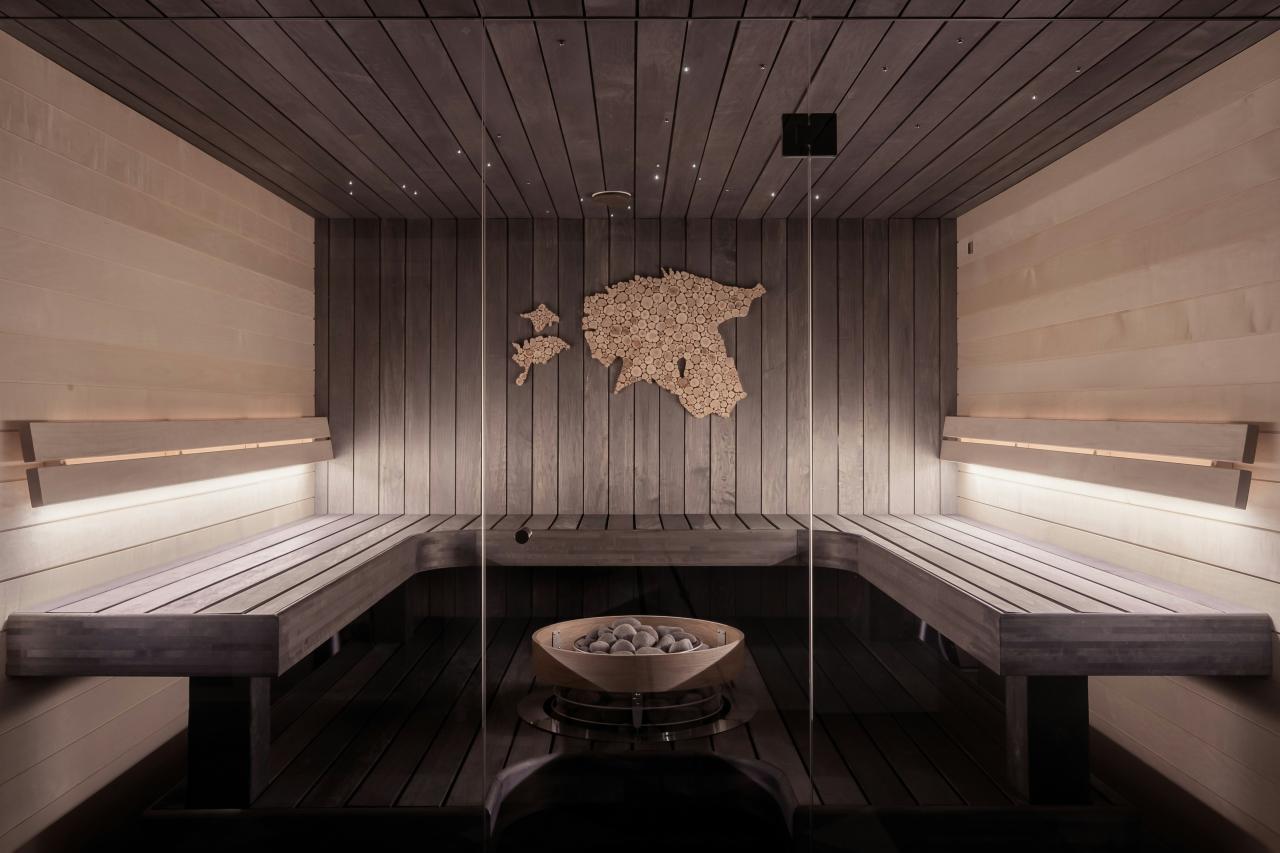
Spa homes represent a healthy revolution in modern living, replacing outdated bathroom concepts with innovative wellness tools that prioritize your physical and mental recovery.
By integrating smart health tracking and automated design, you can effectively eliminate daily stress and high health risks while significantly reducing long-term maintenance costs.
Taking immediate action to adopt these wellness plans allows you to reclaim your time, grow your personal wealth, and secure a safer future for your household.
The path to a successful and balanced lifestyle is clear when you use smart design as your primary tool to fuel your personal growth and freedom.